
Programmes
Our Programmes
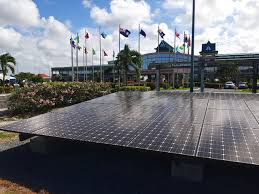
CARICOM works in 15 Member States and 6 Associate Members to create a community that is integrated, inclusive and resilient; driven by knowledge, excellence, innovation and productivity; a Community where every citizen is secure and has the opportunity to realise his or her potential with guaranteed human rights and social justice; and contributes to, and shares in, its economic, social and cultural prosperity ; a Community which is a unified and competitive force in the global arena..
Programmes
Programmes

Legal and Institutional Framework
This programme strengthens the legal and governance foundations of the Community by supporting harmonisation, legal advice, and the development and tracking of instruments signed, ratified, or acceded to by Member States. Annual reporting documents legal instruments and protocols that modernise cooperation arrangements and reinforce the institutional machinery needed for integration to function. Read More
PANCAP
PANCAP advances the regional HIV response through partnership-based coordination, sustaining strategic attention to prevention, treatment continuity, and systems-level resilience. In the annual-report structure, it is presented as a defined component of the wider health and wellness portfolio, reflecting CARICOM’s commitment to sustained, collective action on HIV. Read More

Private Sector
This programme strengthens structured engagement with regional private-sector stakeholders to accelerate implementation of the CSME and improve the practicality of integration measures. Annual reporting highlights the strategic importance of institutionalised collaboration with the private sector to unlock growth, support recovery, and develop implementable proposals. Read More
Science and Technology
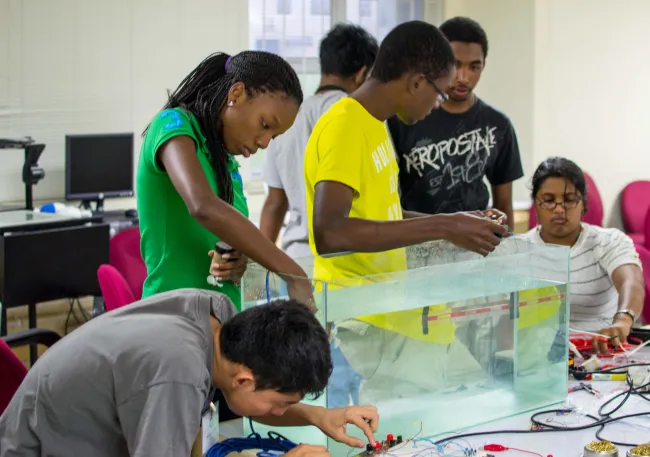
CARICOM’s science and technology work promotes innovation capacity and technological resilience, focusing on regional coordination that helps Member States translate research, standards, and emerging technologies into practical development outcomes. The programme’s logic is to treat S&T as cross-cutting infrastructure for competitiveness—supporting productivity in priority sectors and strengthening regional problem-solving capability. Read More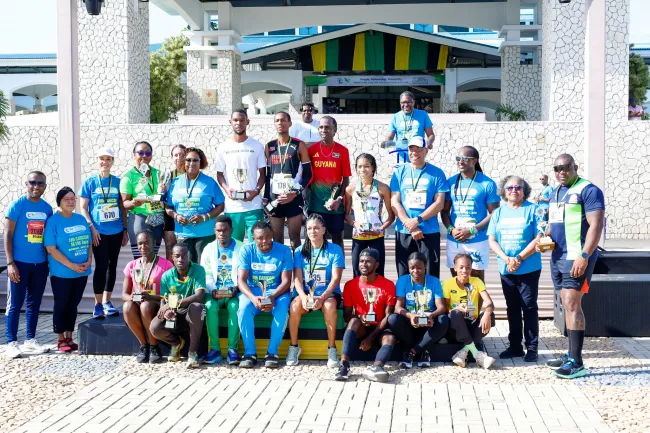
Sport
Sport supports social development objectives through regional collaboration that uses sport as a platform for inclusion, youth engagement, and healthy lifestyles. It is typically framed as part of wider human and social development efforts that build community cohesion and positive life outcomes. Read More

Statistics
The Regional Statistics Programme advances evidence-based decision-making by strengthening the regional statistical system, coordinating shared statistical strategies (including census planning), and producing regional databases and publications that enable comparability across Member States. In recent reporting, this work has included regional statistical advocacy and the dissemination of thematic outputs (including climate and COVID-19 related statistical bulletins) to support policy design and monitoring. Read More

Telecommunications
The telecommunications programme advances regional connectivity as an enabling condition for economic modernisation and social inclusion. It supports cooperation on the policy and institutional arrangements needed for reliable communication networks and improved access, particularly as digital delivery becomes central to public services and commerce. Read More
Tourism
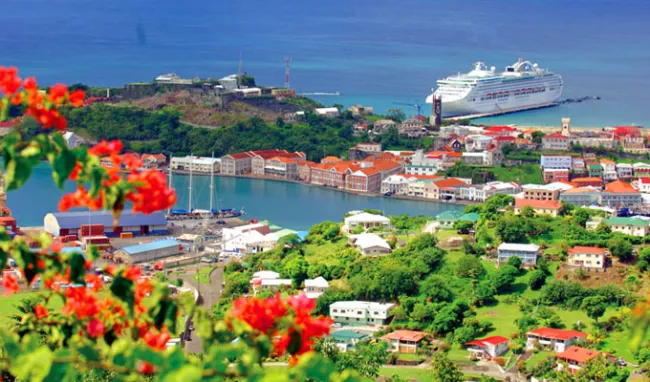
In recognition of the importance of tourism to economies of the Caribbean Community, the Secretariat’s Tourism Programme supports the sustainable development and competitiveness of the sector across Member States. The Programme focuses on regional policy coordination, market intelligence, and capacity-building to strengthen tourism governance, resilience, and innovation. It promotes sustainable and community-based tourism, enhances human resource development, and encourages stronger cross-linkages between tourism and other productive sectors such as agriculture, culture, and other services. Through regional collaboration and partnerships, the Tourism Programme seeks to improve the quality, sustainability, and inclusive benefits of tourism for the people of the Caribbean. Read More

Transportation
Transportation work targets the regional constraints of distance, scale, and fragmentation by supporting coordination on transport policy and practical measures that improve connectivity for people and goods. It is positioned as a prerequisite for deeper market integration, tourism performance, and supply-chain resilience. Read More