
Programmes

Programmes

Our Programmes

Our Programmes

CARICOM works in 15 Member States and 6 Associate Members  to create a community that is integrated, inclusive and resilient; driven by knowledge, excellence, innovation and productivity; a Community where every citizen is secure and has the opportunity to realise his or her potential with guaranteed human rights and social justice; and contributes to, and shares in, its economic, social and cultural prosperity ; a Community which is a unified and competitive force in the global arena..

Programmes
Programmes
Agricultural Development
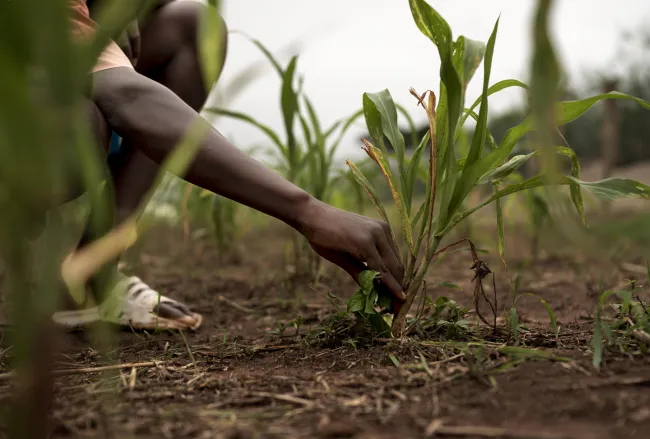
Agricultural development strengthens regional food systems by supporting coordinated approaches to production, resilience, and agri-food transformation, especially under climate and external-shock pressures. The programme aligns food security priorities with regional economic recovery and social resilience objectives, reinforcing agriculture’s role in livelihoods and intra-regional supply.
Read More
CARIFORUM
CARIFORUM work supports coordination among participating states (including CARICOM independent members plus Cuba and the Dominican Republic) and manages key elements of the relationship with external partners, particularly the European Union framework. Annual reporting highlights its role in responding to shocks (including COVID-19), advancing European Development Fund programming, and progressing Economic Partnership Agreement processes
Read More
Crime and Security
Crime and security work supports regional coordination to address transnational threats and strengthen prevention, safety, and justice outcomes. Recent reporting highlights preparatory and partnership-building work that applies a public-health approach to crime and violence prevention, involving regional security and health institutions and national stakeholders.
Read More
Culture and Community Development
Culture promotes Caribbean identity and creative development, supporting cultural cooperation and major regional cultural initiatives. Annual reporting links cultural work to community relations, social cohesion, and the strengthening of a shared CARICOM identity.
Read More
Customs and Trade Policy
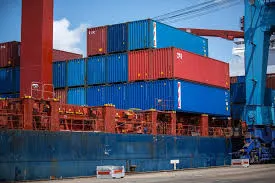
This programme supports the rules, instruments, and administrative cooperation required for a functioning regional market, with emphasis on trade facilitation and harmonised approaches that reduce transaction costs and improve predictability for firms and consumers. It is positioned as a core enabling pillar of economic integration, aligning customs practice with wider CSME commitments and Community decision-making processes.
Read More
Development of Services Sector
The Services Programme of the CARICOM Secretariat supports the development, liberalisation, and integration of services within the CARICOM Single Market and Economy (CSME). It works to remove barriers to the production and trade in services, facilitate the free movement of skilled nationals, and strengthen regulatory and institutional frameworks across Member States. The Programme also provides technical assistance, policy advice, and capacity-building to help Member States implement agreed regional commitments, while engaging with the private sector and other stakeholders to enhance competitiveness. Through these efforts, the Programme aims to position the Services Sector as a key driver of economic growth, diversification, and regional integration in the Caribbean.
Read More
Economic Development Policy, Tax Administration and Research (EDPR)
EDPR supports macroeconomic policy coherence, analytical work, and administrative strengthening that help Member States manage fiscal and economic policy challenges. The programme’s function is to improve the evidence base for regional economic decision-making, including policy research that informs integration and competitiveness strategies.
Read More
Education
Education programming supports regional cooperation in human capital development, aiming to improve the quality, relevance, and portability of learning outcomes. It is positioned within social resilience, with education serving as the pipeline for skills, innovation capability, and inclusive growth.
Read More
Energy
Energy work promotes energy security, affordability, and sustainability through regional policy coordination and programmes that support efficiency and transition pathways. In annual reporting, it is presented as an economic resilience priority—closely connected to competitiveness, climate commitments, and household welfare.
Read More