Programmes

Programmes

Our Programmes

Our Programmes

CARICOM works in 15 Member States and 6 Associate Members  to create a community that is integrated, inclusive and resilient; driven by knowledge, excellence, innovation and productivity; a Community where every citizen is secure and has the opportunity to realise his or her potential with guaranteed human rights and social justice; and contributes to, and shares in, its economic, social and cultural prosperity ; a Community which is a unified and competitive force in the global arena..

Programmes

Programmes
Environment and Sustainable Development
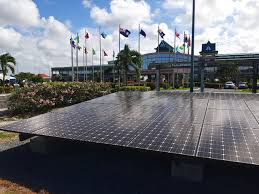
Sustainable development provides the integrative policy frame linking economic transformation, social outcomes, and environmental resilience. The programme supports coordinated regional approaches that allow Member States to pursue growth while addressing vulnerability and long-term sustainability constraints
Read More
External Trade
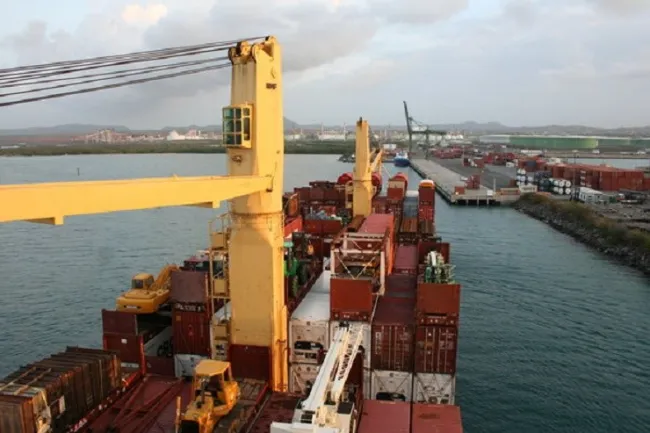
External trade supports the Community’s strategic engagement in international economic relations, including negotiation positions and implementation matters that affect market access and regional competitiveness. It complements internal integration by ensuring that CARICOM’s external commitments and opportunities align with the Region’s development priorities.
Read More
Foreign Policy and Community Relations
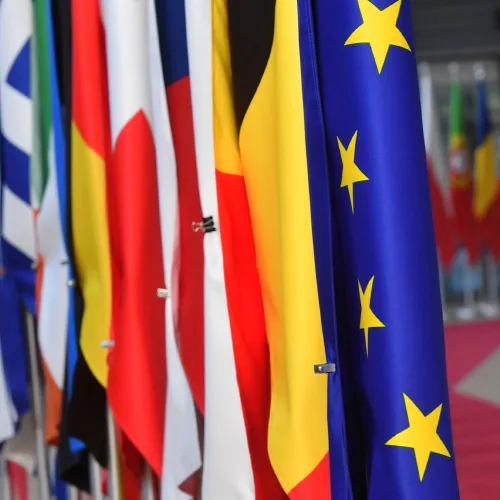
This programme strengthens CARICOM’s external posture by coordinating positions, managing relations with third states and organisations, and advancing shared regional interests in international fora. Annual reporting underscores continuous engagement with external partners and the importance of diplomacy for resource mobilisation, advocacy, and protection of regional priorities.
Read More
Gender
The gender programme advances gender equality through regional standards, mainstreaming, and targeted initiatives that address structural vulnerabilities and institutional capacity gaps. In annual reporting, gender-related work is also connected to citizen security and violence-prevention architectures, reflecting an integrated approach to protection and rights.
Read More
Health Sector Development
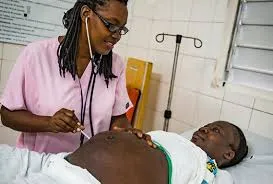
Health sector development strengthens regional public health cooperation and preparedness, supporting coordinated approaches to shared threats and health-system resilience. Annual reporting reflects sustained attention to regional health coordination, including mental-health initiatives and multi-institutional collaboration in response planning
Read More
Human Development
Human development advances social resilience by supporting human resource development and complementary social policy initiatives that strengthen capability, inclusion, and opportunity. It treats people-centred development as an essential counterpart to economic integration thus aligning education, skills, and well-being with the demands of a changing regional economy.
Read More
Industrial Development
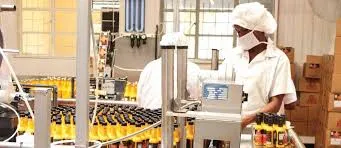
Industrial development advances production capability and competitiveness by supporting policies and initiatives that encourage diversification, stronger value chains, and improved conditions for enterprise growth. The programme’s strategic intent is to help Member States shift toward higher-value activity and deepen regional economic linkages
Read More
Information and Communications Technology for Development (ICT4D)
ICT4D (ICT for Development) focuses on leveraging digital technologies to improve service delivery, inclusion, and productivity, aligning “technological resilience” with development outcomes. In the annual-report architecture, ICT is treated as a core enabler across sectors—supporting new ways of working, regional collaboration, and more responsive institutions.
Read More
Labour and Workforce Development
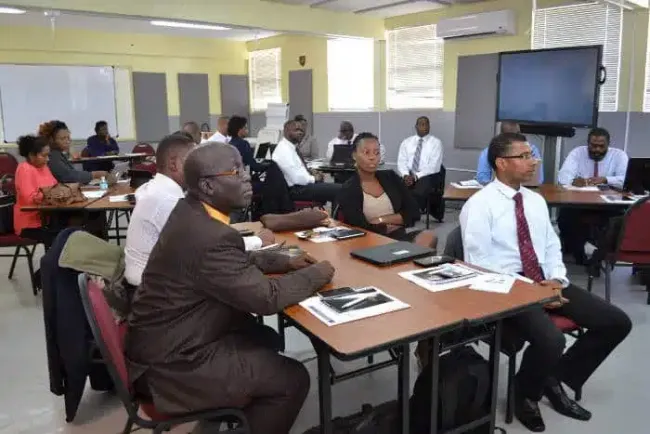
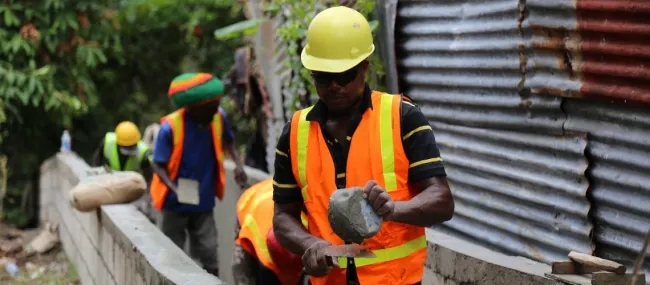
This programme supports workforce readiness and labour-related coordination that enable Member States to align skills supply with economic transformation. Annual reporting highlights the practical emphasis on employability and targeted interventions for groups facing structural disadvantage, including youth, as part of broader resilience-building
Read More