Global intervention in Africa
GEORGETOWN, Guyana – For the better part of a half-century after the French ceded independence to most of their colonies in the 1960s, the relationship between the newly sovereign states and the ex-mother country was relatively benign and uneventful.
President Charles de Gaulle’s rough treatment of Sekou Toure’s Guinea – cutting off communications and any economic and institutioinal assistance when it insisted on immediate independence in the wake of the independence of the anglophone African territories − provided a lesson to others in not going against the mother-country’s projections for the grant of full self-government. And when that came, the French, for quite a while, assumed themselves to have a right of ‘intervention on request’ in those states, in times of domestic difficulties.
With the subsequent grant of independence on a negotiated basis, the French ensured the continuation of a substantial economic and institutional (including military) presence on the continent, partly based on the advent to power of individuals with a long familiarity with the French political system. Politicians like Leopold Senghor of Senegal and Houphouët-Boigny of Ivory Coast, among others, who, like the Martiniquan Aimé Césaire, had served in the French Parliament, felt a certain comfort in ruling with the knowledge that French protective intervention was available in times of difficulty. And in those circumstances, quite a few of the initial inheritors ruled without interruption over decades.
You may also be interested in:
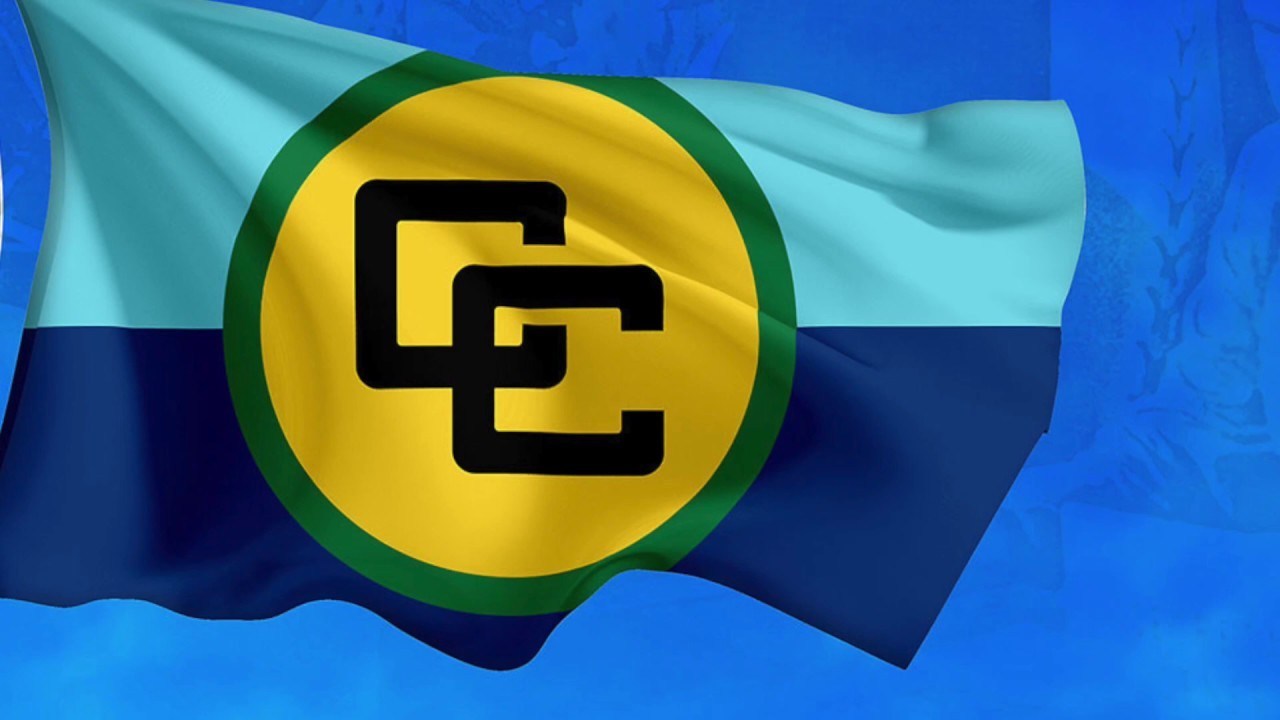
La CSME, la seguridad alimentaria y la financiación climática encabezan la agenda de la Cumbre de CARICOM en las Bahamas.
The CARICOM Single Market and Economy (CSME); food security; climate change and climate finance; health; and security will be among the major topics when Heads of Government of