Oxford Coronavirus Vaccine Produces Strong Response in Clinical Trials
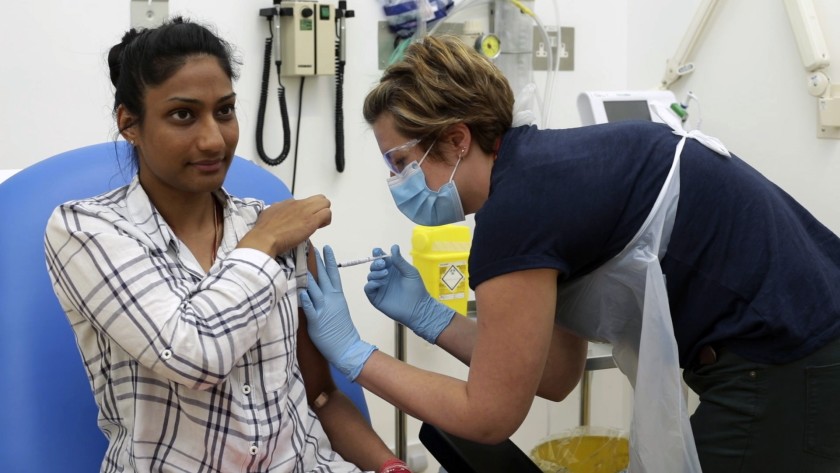
(British High Commission Bridgetown Press Release) A team of scientists at Oxford University’s Jenner Institute and Oxford Vaccine Group has taken the next step towards the discovery of a safe, effective and accessible vaccine against coronavirus.
The results of the Phase I/II trial published today in the scientific journal, The Lancet, indicate no early safety concerns and induces strong immune responses in both parts of the immune system.
The vaccine provoked a T cell response within 14 days of vaccination (white blood cells that can attack cells infected with the SARS-CoV-2 virus), and an antibody response within 28 days (antibodies are able to neutralise the virus so that it cannot infect cells when initially contracted).
During the study participants who received the vaccine had detectable neutralising antibodies, which have been suggested by researchers as important for protection, and these responses were strongest after a booster dose, with 100% of participants’ blood having neutralising activity against the coronavirus. The next step in studying the vaccine is to confirm that it can effectively protect against SARS-CoV-2 infection.
The Phase I/II data for our coronavirus vaccine shows that the vaccine did not lead to any unexpected reactions and had a similar safety profile to previous vaccines of this type. The immune responses observed following vaccination are in line with what previous animal studies have shown are associated with protection against the SARS-CoV-2 virus, although we must continue with our rigorous clinical trial programme to confirm this in humans.
“We saw the strongest immune response in the 10 participants who received two doses of the vaccine, indicating that this might be a good strategy for vaccination,” Professor Pollard continues.
A UK Phase I/II trial began in April testing the Oxford coronavirus vaccine ChAdOx1 nCoV-19. The team started working to develop a vaccine against the global threat that is coronavirus in January 2020 and have been working with unprecedented urgency in a race against the coronavirus.
During the Phase I/II trial the vaccine has been evaluated in more than 1,000 healthy adult volunteers aged between 18 and 55 years in a randomised controlled trial. A subset of these volunteers (10 people) received two doses of the vaccine. Between April 23, 2020 and May 21, 2020, 1077 volunteers, received the vaccine ChAdOx1 nCoV-19 or a placebo MenACWY vaccine. There were no serious adverse health events related to ChAdOx1 nCoV-19.
These encouraging results support further evaluation of this candidate vaccine in our ongoing large scale Phase III programme that is still needed to assess the ability of the vaccine to protect people from COVID-19.
The University of Oxford is working with the UK-based global biopharmaceutical company AstraZeneca for the further development, large-scale manufacture and potential distribution of the Covid-19 vaccine, with plans for clinical development and production of the Oxford vaccine progressing globally. The project has been further spurred by £84 million of Government funding to help accelerate the vaccine’s development.
“We are encouraged by the Phase I/II interim data showing AZD1222 was capable of generating a rapid antibody and T-cell response against SARS-CoV-2. While there is more work to be done, today’s data increases our confidence that the vaccine will work and allows us to continue our plans to manufacture the vaccine at scale for broad and equitable access around the world,” says Mene Pangalos, Executive Vice President of BioPharmaceuticals Research and Development at AstraZeneca.
Oxford and AstraZeneca are collaborating with clinical partners around the world as part of a global clinical programme to trial the Oxford vaccine. The global programme is made up of a Phase III trial in the US enrolling 30,000 patients, a pediatric study, as well as Phase III trials in low-to-middle income countries including Brazil and South Africa which are already underway.
AstraZeneca remain committed to fulfilling their commitment for broad and equitable access to the vaccine, should late-stage clinical trials prove successful. So far, commitments to supply more than 2 billion doses of the vaccine have been agreed with the UK, US, Europe’s Inclusive Vaccines Alliance (IVA), the Coalition for Epidemic Preparedness (CEPI), Gavi the Vaccine Alliance and Serum Institute of India.
Business Secretary Alok Sharma said: “Today’s results are extremely encouraging, taking us one step closer to finding a successful vaccine to protect millions in the UK and across the world. Backed by £84 million Government investment for the vaccine’s development and manufacture, the agility and speed with which the University of Oxford have been working is outstanding. I am very proud of what they have achieved so far.”
Kate Bingham, Chair of the UK’s Vaccine Taskforce said: “The UK is fortunate to have such outstanding academic innovators working alongside the highly experienced global team at AstraZeneca. This partnership is working at exceptional speed to demonstrate the safety and clinical effectiveness of the chadox vaccine in protecting people against COVID-19 infection.”
You may also be interested in:

La CSME, la seguridad alimentaria y la financiación climática encabezan la agenda de la Cumbre de CARICOM en las Bahamas.
The CARICOM Single Market and Economy (CSME); food security; climate change and climate finance; health; and security will be among the major topics when Heads of Government of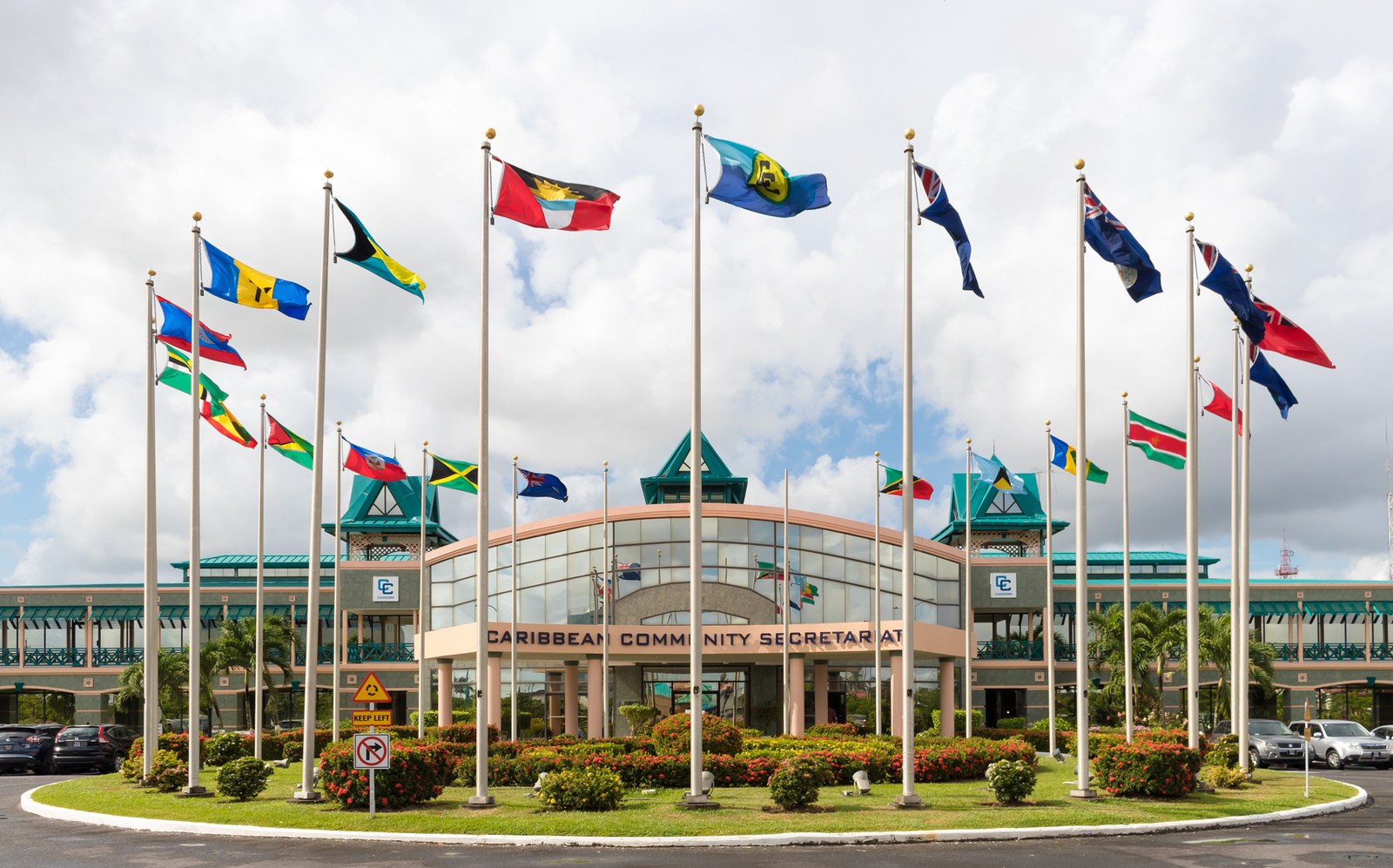
La Secretaría de CARICOM y la Agencia Caribeña para Soluciones de Justicia (CAJS) forjan una alianza para acelerar la transformación digital.
La Secretaría de CARICOM (CCS) y la Agencia Caribeña para Soluciones de Justicia (CAJS) han establecido una importante alianza con el objetivo de impulsar la transformación digital y mejorar la pre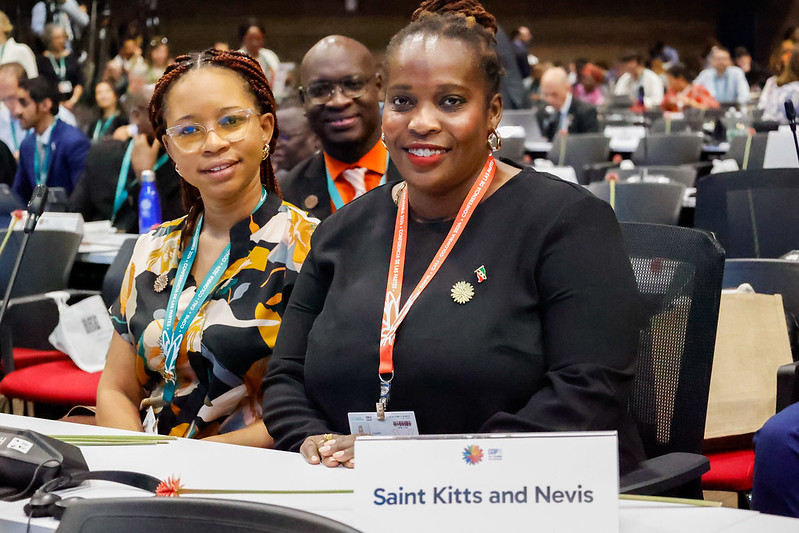
Related Stories
CARICOM Covid-19 Response Agri-Food Plan
The Caribbean Community is committed to reducing its food import bill by at least 25% over the next five years. So says Mr.
NEWS FEATURE: Caribbean Community successfully keeps low COVID-19 infection rates
The Caribbean Community (CARICOM) has managed the challenges posed by the COVID-19 pandemic to great effect, ensuring that its cases have been kept low relative to larger and m