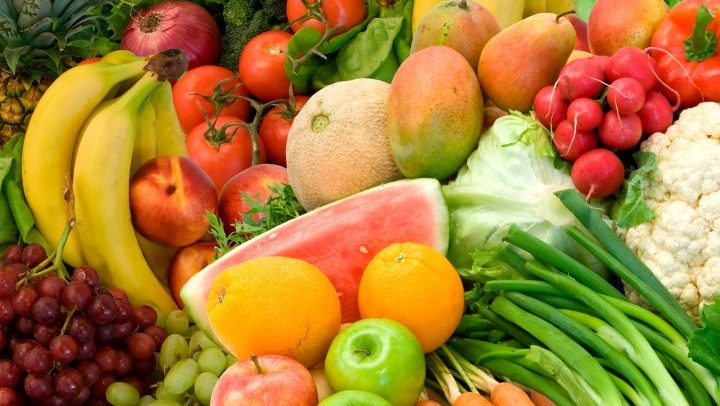
Action Committee on Food and Nutrition Security holds inception meeting
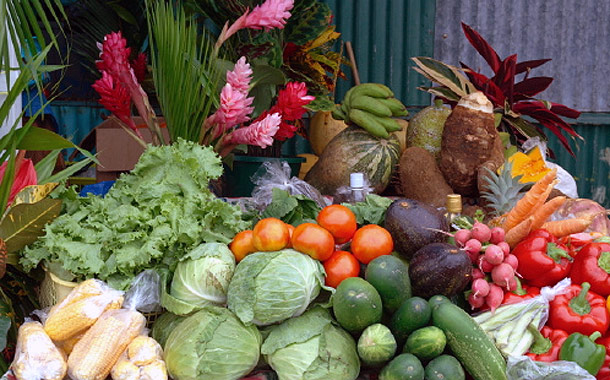
The Caribbean Community (CARICOM) has established an Action Committee on Food and Nutrition Security which held its first meeting on Tuesday, 3 March, via video conference that was anchored at the CARICOM Secretariat.
The CARICOM Action Committee on Food and Nutrition Security (CACFNS)
will share best practices and resources through effective interaction,
communication, enhanced synergies and capacity-building in Member
States.
The Food and Agriculture Organisation (FAO) of the United Nations, through a Letter of Agreement with the CARICOM Secretariat, is providing financial and technical support for the establishment of the CACFNS Platform. According to CARICOM FAO Programme Liaison, Mr. Sandiford Edwards, the support will be funneled to actions that facilitate exchange of experiences among Member States, periodic monitoring of progress of the Regional Food and Nutrition Security Policy and Action Plan and initial resource mobilisation. He said that a key outcome for the ACFNS was the development of a concept note which will be taken to Development Partners for funding.
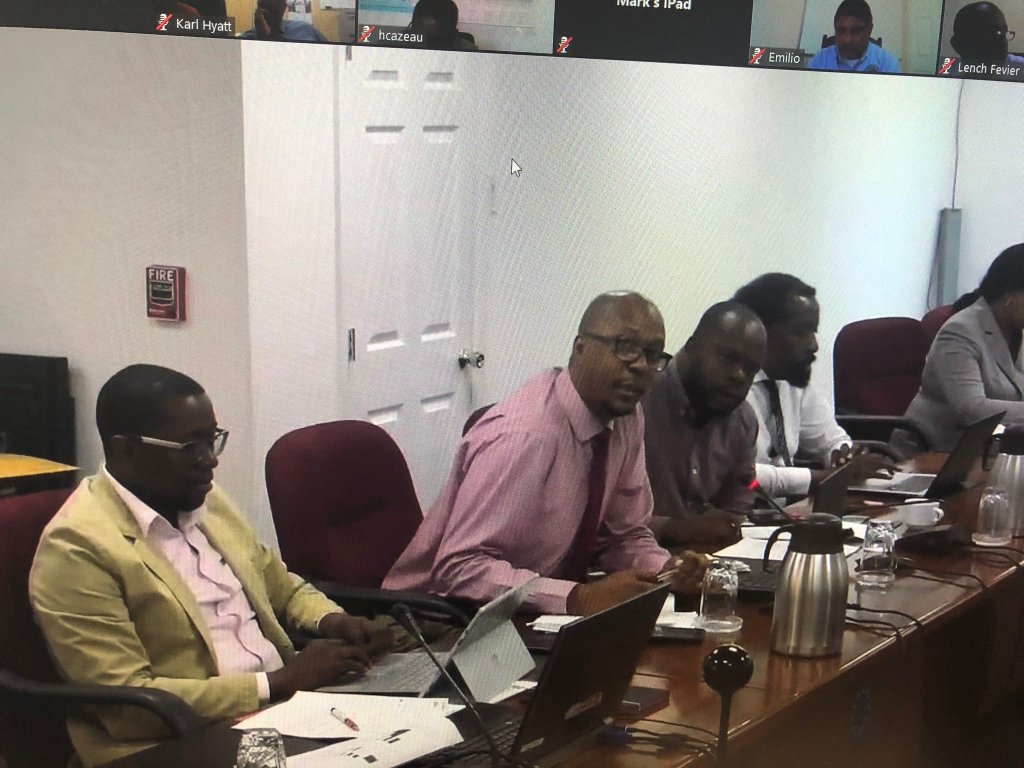
Thirteen Member States along with representatives from the Caribbean
Development Bank (CDB), the FAO, Organisation of Eastern Caribbean
States (OECS) Commission and the Caribbean Agricultural Research
Development Institute, joined with the CARICOM Secretariat for the
inception meeting.
The threat that communicable and non-communicable diseases posed to the Region was highlighted during the meeting.
In welcome remarks, CARICOM Programme Manager, Agriculture and
Agro-Industrial Development, Mr. Shaun Baugh, said that the meeting was
timely especially as the Region’s food supply could be severely impacted
if there was a disruption in its North America supply chain because of
the existential threat that COVID -19 was having on trade and port
facilitates.
Mr. Barton Clarke, Chair of the Agriculture Food and Nutrition
Cluster, reminded the meeting that the CACFNS was pivotal in combating
the health and nutrition challenges of the Region, especially in the
face of the non-communicable diseases burden.
You may also be interested in:
Mensaje de fin de año de la Secretaria General de la Comunidad del Caribe (CARICOM), Dra. Carla N. Barnett
We have come to the end of another year during which strenuous efforts have been made to ensure that the integration process improves the lives of the people of the Caribbean C
Mensaje de fin de año de la Secretaria General de la Comunidad del Caribe (CARICOM), Dra. Carla N. Barnett
We have come to the end of another year during which strenuous efforts have been made to ensure that the integration process improves the lives of the people of the Caribbean C
La CSME, la seguridad alimentaria y la financiación climática encabezan la agenda de la Cumbre de CARICOM en las Bahamas.
The CARICOM Single Market and Economy (CSME); food security; climate change and climate finance; health; and security will be among the major topics when Heads of Government ofRelated Stories
Momentum accelerating towards fulfilling Region’s agriculture potential and food security
Raymond is passionate about farming. He is not one to simply plant a seed and expect it to grow, but he gets literally to the root of the science behind its growth.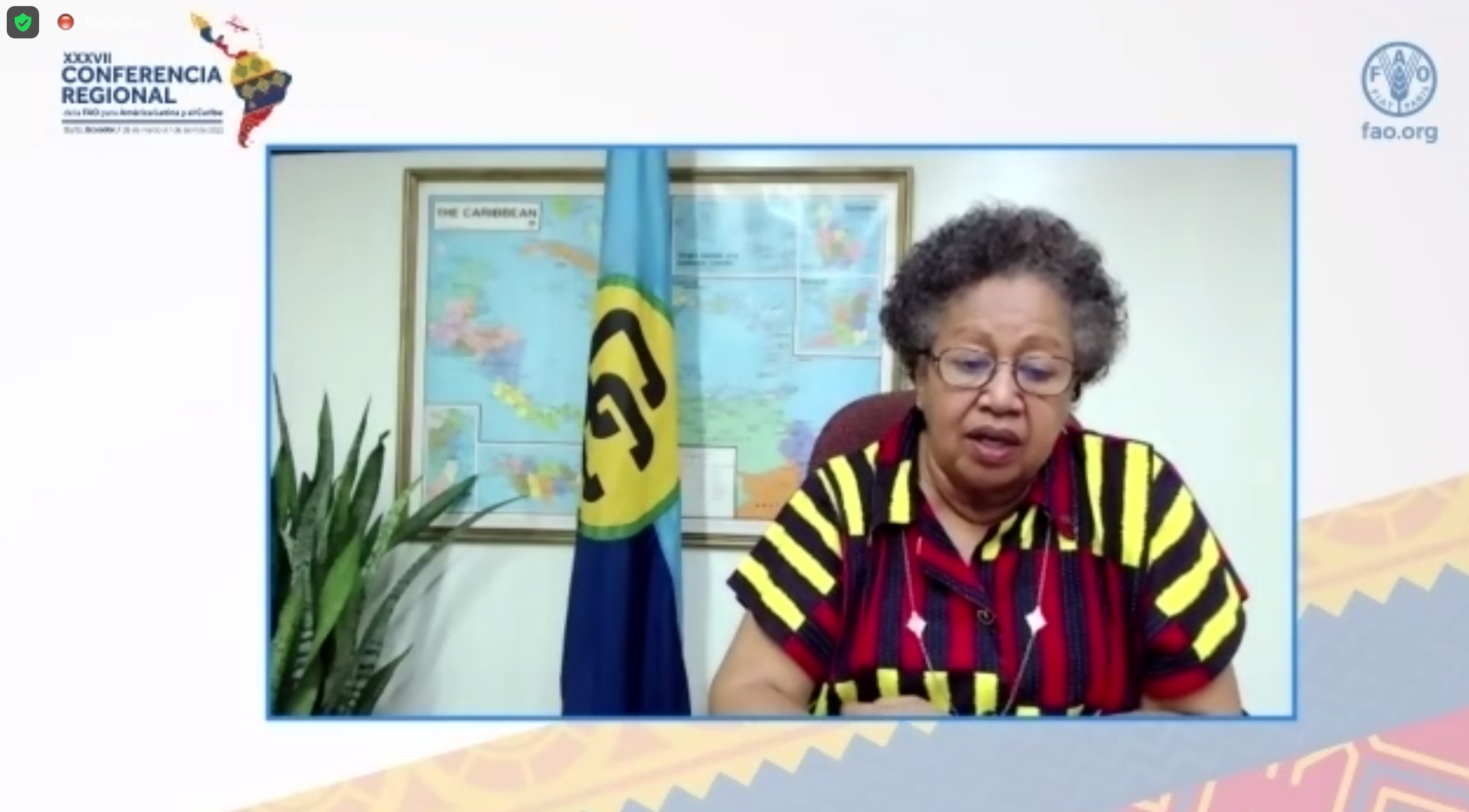
Remarks by CARICOM Secretary-General Dr Carla Barnett at the Meeting of Ministers of Agriculture of the Andean Community (CAN) and the Caribbean Community (CARICOM) being held during the Thirty-Seventh Session of the FAO Regional Conference for Latin America and the Caribbean
Distinguished Chair; Honourable Ministers; Delegates; Ladies and Gentlemen.