BRICS WITHOUT MORTAR
Last month, China’s new president, Xi Jinping, chose Moscow for his first foreign visit. He and President Vladimir Putin announced a number of agreements and then traveled to Durban, South Africa, for the fifth BRICS summit, where they joined with the leaders of India, Brazil and South Africa to announce the creation of a new development bank that could challenge the dominance of the World Bank and the International Monetary Fund. The five leaders’ speeches referred to a shifting world order, and Xi said “the potential of BRICS development is infinite.”
It looked as if the BRICS had finally come of age. Three years ago, I was skeptical about the BRICS group. Despite the recent summit’s apparent success, I still am.
Nearly 12 years ago, Jim O’Neill, then the chief economist for Goldman Sachs, coined the term “BRIC” to describe the “emerging markets” of Brazil, Russia, India and China. From 2000 to 2008, these four countries’ share of global output rose rapidly, from 16 percent to 22 percent in purchasing power parity terms, and their economies performed better than average in the subsequent global recession.
You may also be interested in:
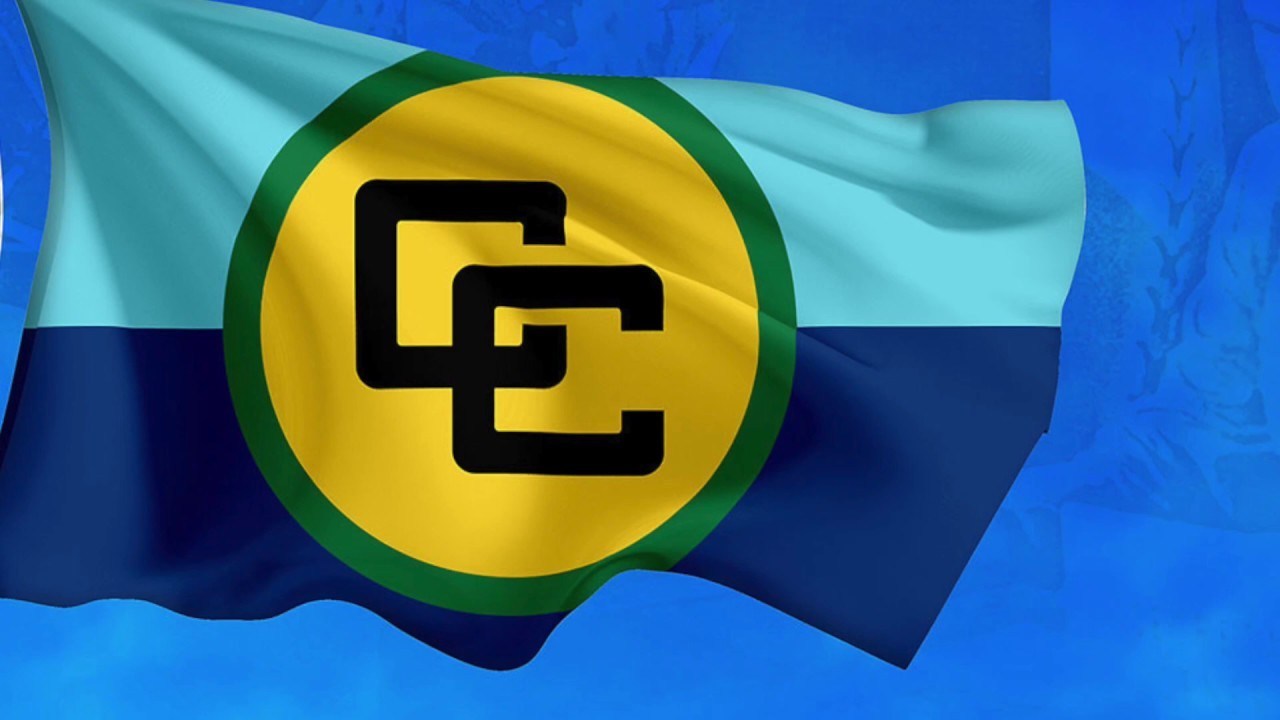
La CSME, la seguridad alimentaria y la financiación climática encabezan la agenda de la Cumbre de CARICOM en las Bahamas.
The CARICOM Single Market and Economy (CSME); food security; climate change and climate finance; health; and security will be among the major topics when Heads of Government of