Energy Services Customers to Benefit Most from New CARICOM-led Credit Risk Initiative
(CARICOM Secretariat, Turkeyen, Greater Georgetown, Guyana) Customers for energy services across the Caribbean Community (CARICOM) are expected to be the main beneficiaries of an ongoing initiative that seeks to facilitate ease of access to credit for small and medium enterprises (SMEs) within the Region’s energy sector.
The Credit Risk Abatement Facility (CRAF) is currently being developed by the CARICOM Development Fund (CDF) – a Community Institution – in collaboration with the CARICOM Secretariat, the Deutsche Gesellschaft für Internationale Zusammenarbeit GmbH (GIZ), and other key implementing and strategic partners.
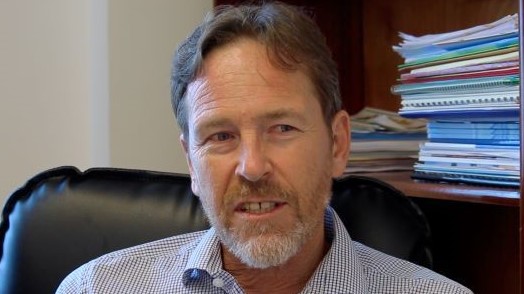
In a recent interview following the conclusion of a Stakeholder Validation Workshop on the main design elements of the CRAF – held in Paramaribo, Suriname, 25–26 July – Mr. Glynn Morris, GIZ Programme Manager of the Renewable Energy and Energy Efficiency Technical Assistance (REETA) Programme, highlighted the benefits of the CRAF to various groups of stakeholders.
“All citizens in CARICOM and anyone who requires energy services that are more reliable, more sustainable, and available where they may not already be available, will be the main beneficiaries.
This is a business opportunity for financial institutions to access a new market, those energy businesses, who in-turn will provide energy services to customers.”
Morris’ comments echoed the view of the CRAF’s strategic and implementing partners, that the facility is an important emerging modality in the promotion of financing for more sustainable energy services within CARICOM.
The Stakeholder Validation Workshop marked the conclusion of Phase 1 of the project, which was funded under the REETA programme.
With regional partners having found common ground on the main design elements of the CRAF at the recently-concluded Paramaribo workshop, the focus has now shifted to Phase 2, which will see the preparation of a detailed design, a fundraising mechanism, and the inception work required for launching and operationalising the facility.
Phase 2 of work on the CRAF is expected to receive funding under the Technical Assistance Programme for Sustainable Energy in the Caribbean (TAPSEC). The TAPSEC is being financed through the European Union under the 11th European Development Fund (EDF‑11), with an additional financial allocation from the German Federal Ministry of Economic Cooperation and Development (BMZ). The Programme is being implemented by the GIZ, together with the CARICOM Secretariat.
TAPSEC’s involvement in the development of the CRAF will be critical, as the programme also seeks to facilitate the establishment of innovative financing mechanisms for energy efficiency and renewable energy projects within CARIFORUM, with particular focus on their availability to local and regional project developers.
This engagement is expected to support the programmes and actions within the CARICOM Secretariat that focus on: (i) Encouraging the use of financial risk mitigation instruments, and blended public‑private financing structures to reduce the cost of capital; and (ii) Disseminating and promoting successful models and approaches for creating sustainable markets for renewable energy and energy efficiency.
Phase 2 of work on the CRAF is expected to start at the end of 2018.
Please see link to video here
To learn more about the Credit Risk Abatement Facility (CRAF), contact:
Wayne Vitalis or Lavern McFarlane
CARICOM Development Fund
First Floor East
Sky Mall
Haggatt Hall, St. Michael
Barbados
Tel: +1 246-436-1849
info@caricomdf.org
www.caricomdevelopmentfund.org
130/2018
You may also be interested in:
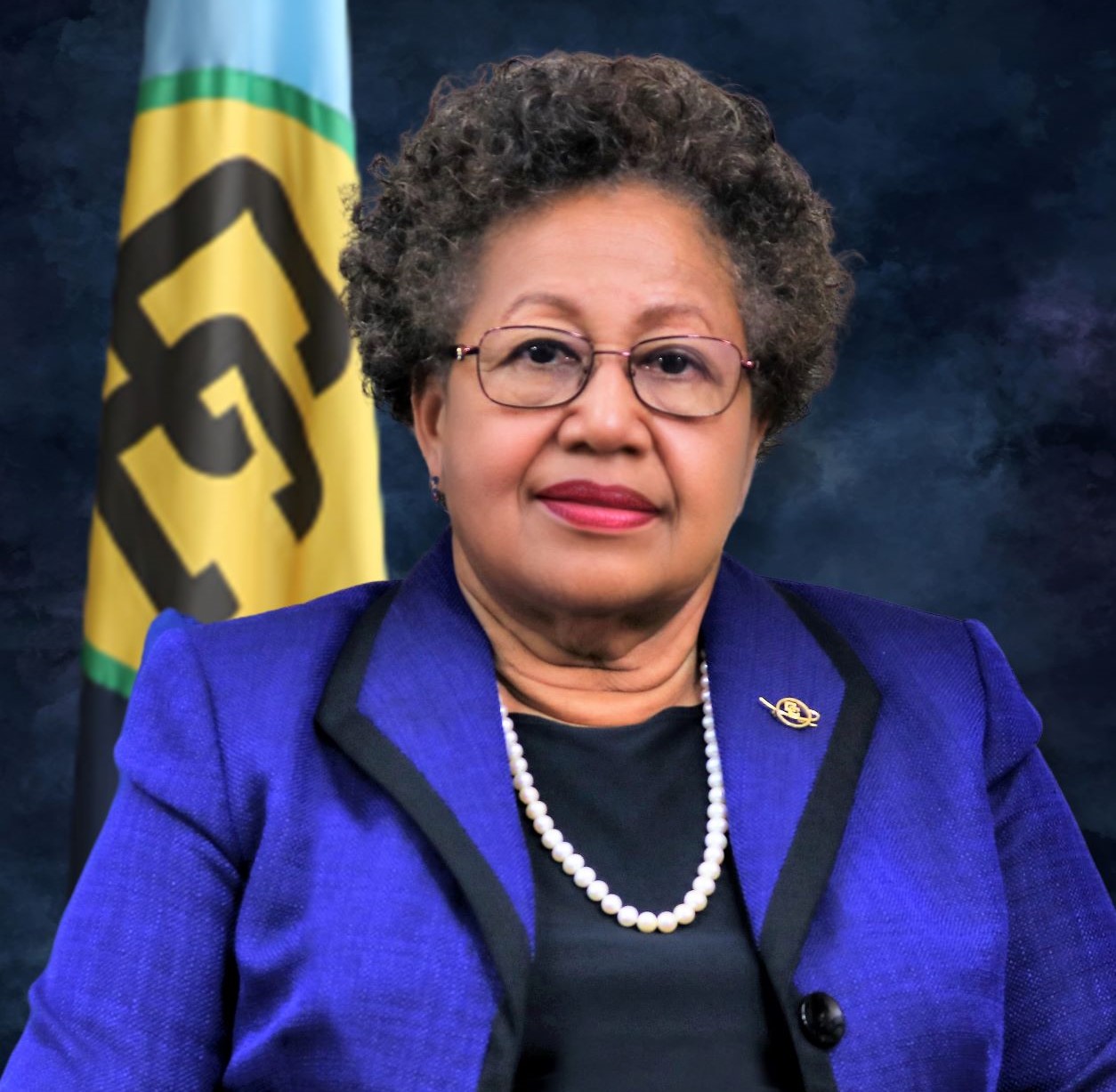
Mensaje de fin de año de la Secretaria General de la Comunidad del Caribe (CARICOM), Dra. Carla N. Barnett
We have come to the end of another year during which strenuous efforts have been made to ensure that the integration process improves the lives of the people of the Caribbean C
La CSME, la seguridad alimentaria y la financiación climática encabezan la agenda de la Cumbre de CARICOM en las Bahamas.
The CARICOM Single Market and Economy (CSME); food security; climate change and climate finance; health; and security will be among the major topics when Heads of Government of
La CSME, la seguridad alimentaria y la financiación climática encabezan la agenda de la Cumbre de CARICOM en las Bahamas.
The CARICOM Single Market and Economy (CSME); food security; climate change and climate finance; health; and security will be among the major topics when Heads of Government ofRelated Stories

Feasibility and Benefits of a Transition to Mercury-free Lighting in CARICOM
In the lead up to #MinamataCOP4, the Caribbean Community (CARICOM) Secretariat and the Clean Lighting Coalition are hosting a virtual conversation to highlight the feasibility
Virtual Panel Discussion to launch CARICOM Energy Month
Friday, 30 October 2020 | Bridgetown, Barbados - The fifth observance of CARICOM Energy Month (CEM) will be launched on 2 November under the t