Caribbean countries to make climate-friendly cooling bankable
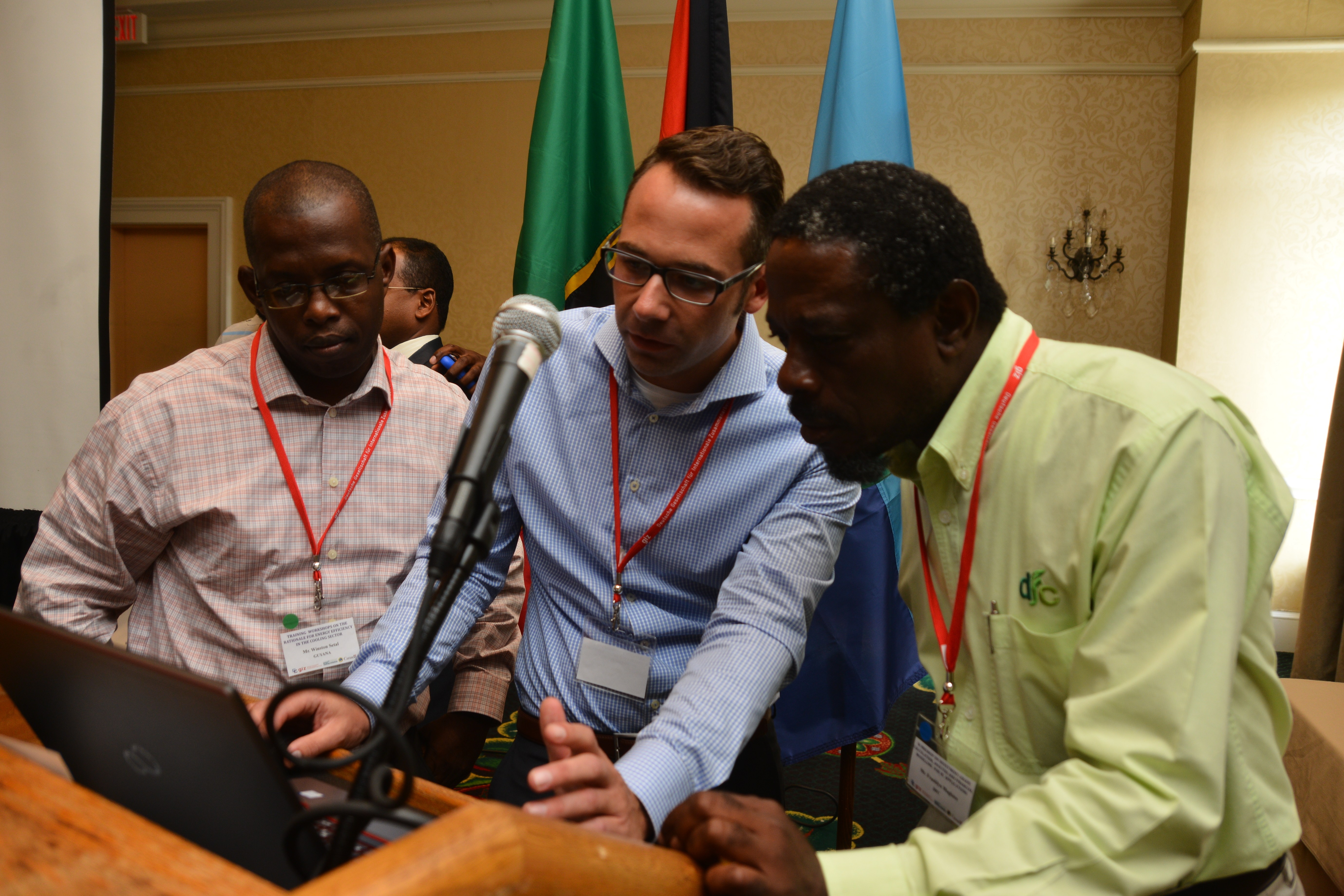
More than 50 policy-makers, bankers and project developers from the Region, gathered in St. Kitts and Nevis September 12-15, to discuss and enhance their knowledge on diverse approaches to energy efficiency in the cooling sector.
Participants from 15 Caribbean countries attended the two workshops. The training was intended to further mainstream the integration of energy efficiency solutions in the cooling sector into climate and environmental protection. It was also geared at addressing the limited capacity for preparing bankable projects that are capable of making use of the significant support for energy efficiency in the Region.
Minister of Public Infrastructure, St. Kitts and Nevis, the Hon. Ian Liburd, opened the workshops.
Participants considered the need for small island states to adjust their infrastructure to a higher cooling demand caused by steadily increasing temperatures. They also discussed attending to global warming potentials (GWP) of different refrigerants and energy efficiency.
Despite the availability of tremendous domestic renewable energy resources, the island states in the Caribbean remain disproportionately dependent on imported fossil fuel. Forty per cent of the electricity consumption in the Caribbean region is used for the cooling sector. Low efficiency levels and high leakage rates of refrigerant gases with high global warming potential, account for a significant share of global greenhouse gas (GHG) emissions in the air-conditioning, cooling and foam (RAC&F). This share is expected to rise to 13 per cent by 2030.
One of the primary objectives in the workshops was to provide participants with a practice-oriented training, by means of calculations of real life project examples. Participants submitted more than 20 projects beforehand. Project examples ranged from AC replacements and energy efficiency retrofits in buildings to PV or tri-generation projects. Mrs. Rosalie Gentle of the Ministry of Finance, Public Service, Energy and Public Utilities in Belize, for example, calculated the use of energy efficient air conditioning systems on a public building. She stated that with the training, she now had the right tools on hand to make a convincing argument for installing green and energy efficient air conditioning technologies.
“I found the workshop very informative as it shed light on the technical aspects of carrying out an economic feasibility analysis for energy efficiency and renewable energy projects. The model thereby helped us to establish a more technical perspective when analysing whether a renewable energy or energy efficiency project would be a viable alternative. More generally, I think we need to do more in educating stakeholders in terms of the savings that can be obtained from converting to more efficient solutions,” Ms. Mathilda John-Rose, Executive Manager Credit Operations at the Dominica Agricultural Industrial and Development Bank summarised her impression of the financial training module.
Presentations and plenary discussions, group work activities and match-making sessions punctuated the two-parted training in order to provide diversified learning opportunities, foster peer-to-peer exchanges and offer networking possibilities.
The workshops were hosted by the Caribbean Community (CARICOM) Secretariat in collaboration with the Deutsche Gesellschaft für Internationale Zusammenarbeit (GIZ), through the Renewable Energy and Energy Efficiency Technical Assistance (REETA) Programme the Project “Development of NAMAs for the refrigeration and foam production sectors”. It was financed by the International Climate Initiative and the Sector Programme Technology Cooperation in the Energy Sector and the Caribbean Development Bank (CDB), through the Canada Energy Sector Support for the Caribbean Fund.
The workshops were considered a great success and underlined the increasing importance of the cooling sector in the Caribbean.
You may also be interested in:
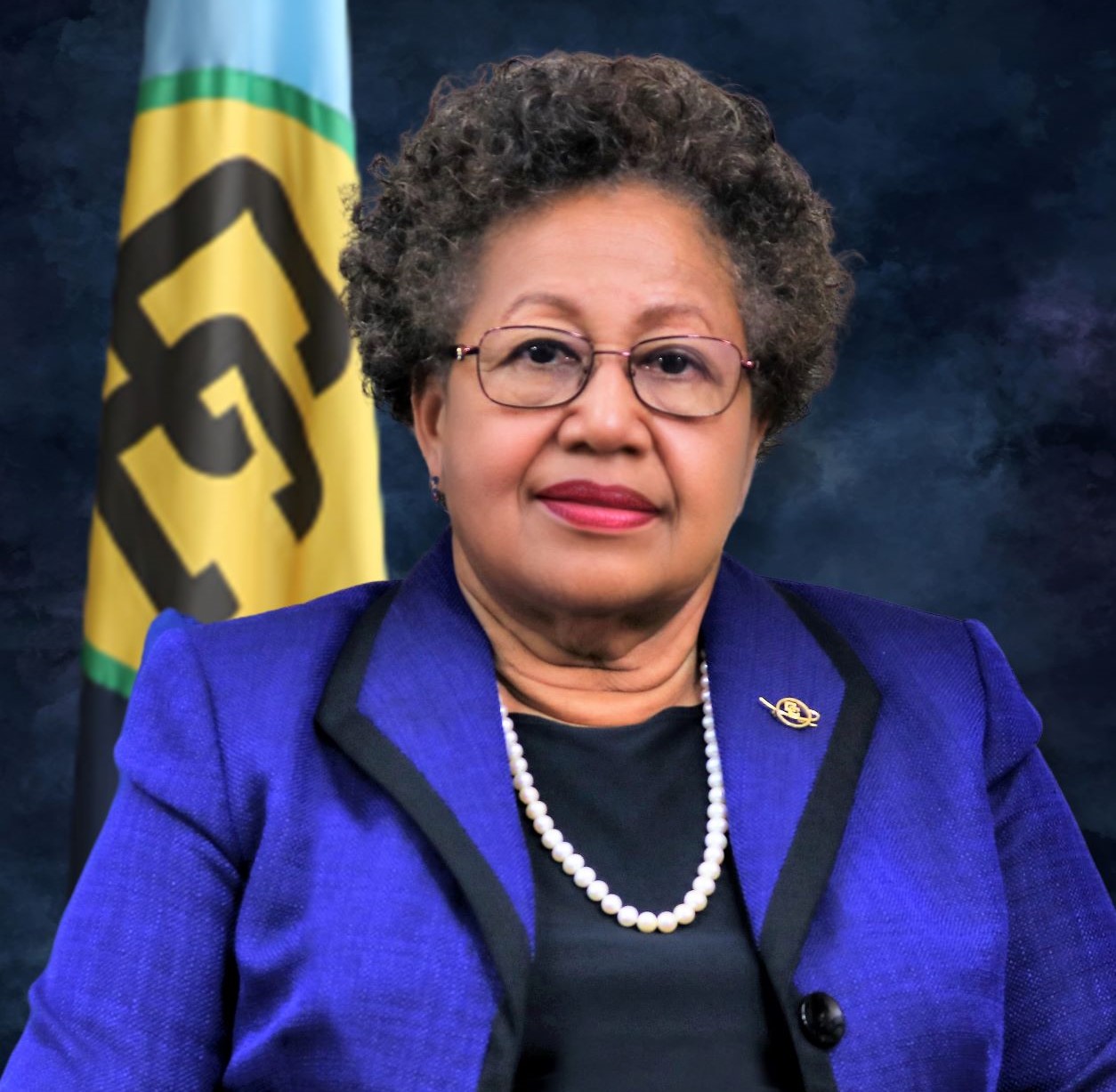
Mensaje de fin de año de la Secretaria General de la Comunidad del Caribe (CARICOM), Dra. Carla N. Barnett
We have come to the end of another year during which strenuous efforts have been made to ensure that the integration process improves the lives of the people of the Caribbean C
La CSME, la seguridad alimentaria y la financiación climática encabezan la agenda de la Cumbre de CARICOM en las Bahamas.
The CARICOM Single Market and Economy (CSME); food security; climate change and climate finance; health; and security will be among the major topics when Heads of Government of
La CSME, la seguridad alimentaria y la financiación climática encabezan la agenda de la Cumbre de CARICOM en las Bahamas.
The CARICOM Single Market and Economy (CSME); food security; climate change and climate finance; health; and security will be among the major topics when Heads of Government ofRelated Stories

Feasibility and Benefits of a Transition to Mercury-free Lighting in CARICOM
In the lead up to #MinamataCOP4, the Caribbean Community (CARICOM) Secretariat and the Clean Lighting Coalition are hosting a virtual conversation to highlight the feasibility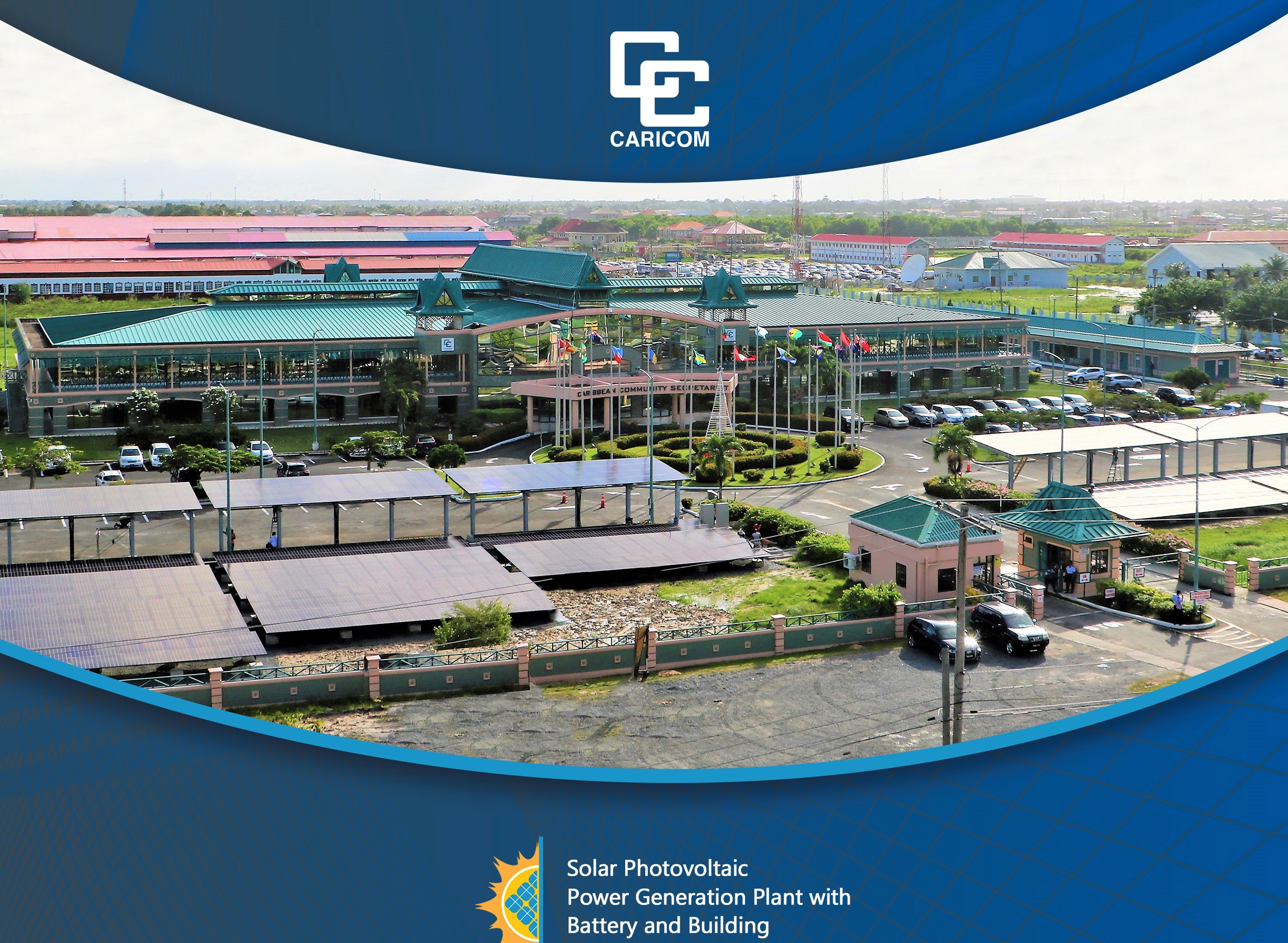
CARICOM Secretariat helping to lead Region's renewable energy transformation
The CARICOM Secretariat today takes charge of a Solar Photovoltaic Power Generation Plant, as it sets an example of how the Region can utilise renewable energy resources to mov