CARICOM to train Regional environmentalists on implementing MEAs
The CARICOM Secretariat, through the Multilateral Environmental Agreements in African, Caribbean and Pacific Countries (ACP – MEAs) project will host a Training of Trainers workshop on Mainstreaming Multilateral Environmental Agreements (MEAs) June 21 – 23, 2016 for environment educators and professionals.
The event, which will be held at the CARICOM Secretariat in Georgetown Guyana, is aimed at providing persons in the environment sector with practical guidance on how to improve the implementation of multilateral environmental agreements. The workshop will also introduce stakeholders to methodologies for environmental mainstreaming, in order to expand the use of mainstreaming approaches in the Caribbean. Environmental mainstreaming is the inclusion of environmental concerns into national, local and sectoral decision-making and policy development.
The training will be delivered by the International Institute for Sustainable Development. Participants will include environmental consultants and representatives from universities and colleges across the Region including the Bahamas, Barbados, Belize, Guyana, Jamaica, Suriname and Trinidad and Tobago.
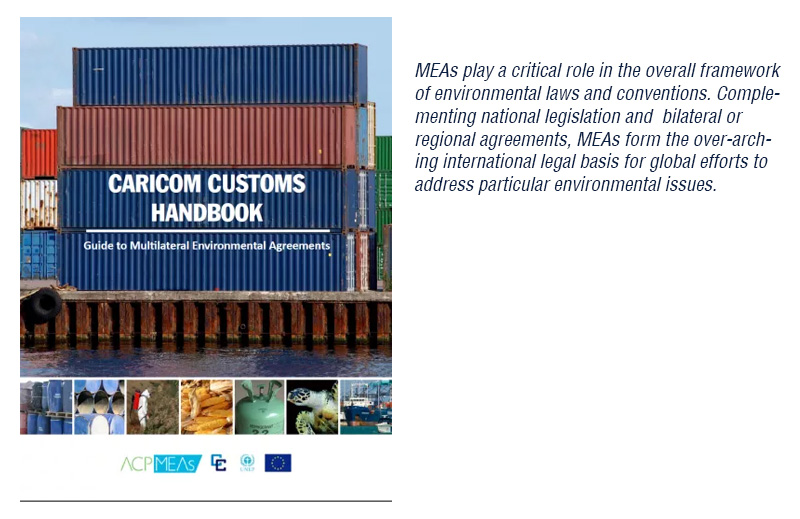
A multilateral environmental agreement (MEA) is a legally binding agreement among three or more states relating to the environment. MEAs play a critical role in the overall framework of environmental laws and conventions. Complementing national legislation and bilateral or regional agreements, MEAs form the over-arching international legal basis for global efforts to address particular environmental issues.
In 2013, the CARICOM Secretariat, as part of the European Union-funded project for Capacity-Building Related to Multilateral Environmental Agreements in African, Caribbean and Pacific Countries (the ACP-MEAs project), produced a training module on mainstreaming multilateral environmental agreements (MEAs), i.e. integrating commitments under international environmental agreements into national policy. The module outlines an approach which can be used to highlight how environmental goals contribute to national development, and to make clear connections between sound environmental management and overall social and economic well-being.
The training module received positive responses during its pilot-testing and use at national and Regional events in Member States such as Suriname, St. Vincent and the Grenadines, Saint Lucia and Belize. Participants at those events recommended that the module and training approach be shared with tertiary level environmental educators and environmental professionals in the region.
You may also be interested in:
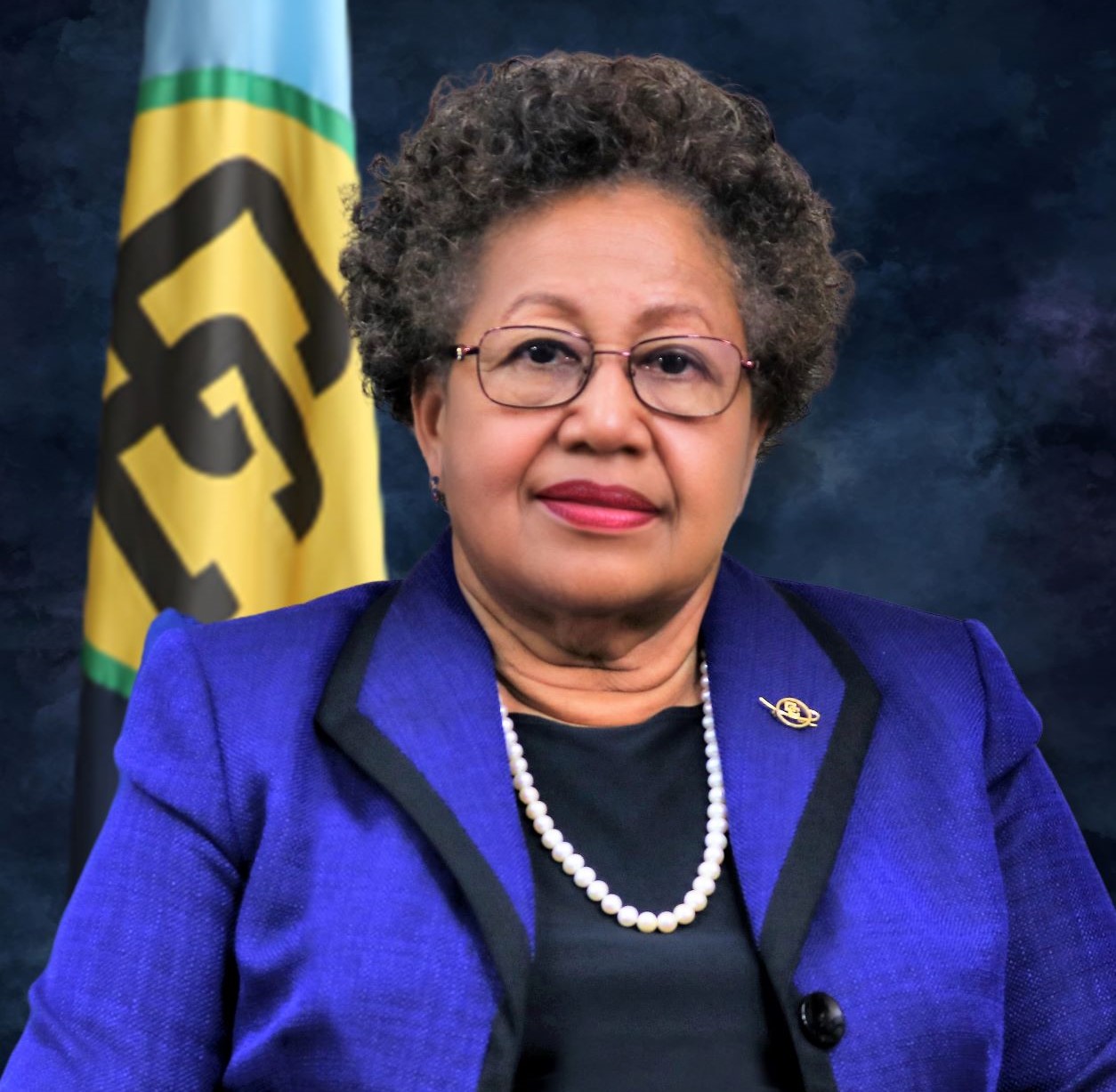
Mensaje de fin de año de la Secretaria General de la Comunidad del Caribe (CARICOM), Dra. Carla N. Barnett
We have come to the end of another year during which strenuous efforts have been made to ensure that the integration process improves the lives of the people of the Caribbean C
La CSME, la seguridad alimentaria y la financiación climática encabezan la agenda de la Cumbre de CARICOM en las Bahamas.
The CARICOM Single Market and Economy (CSME); food security; climate change and climate finance; health; and security will be among the major topics when Heads of Government of
La CSME, la seguridad alimentaria y la financiación climática encabezan la agenda de la Cumbre de CARICOM en las Bahamas.
The CARICOM Single Market and Economy (CSME); food security; climate change and climate finance; health; and security will be among the major topics when Heads of Government ofRelated Stories

Aspiring environmental scientist wins MEAs ACP short video competition
The Caribbean Hub of the European Union-funded project for Capacity-Building related to Multilateral Environmental Agreements (MEAs) in the African, Caribbean and Pacific (ACP)