AIDS deaths down by 61% in Caribbean
In the last ten years alone the Caribbean achieved a 61 per cent reduction in Aids-related deaths, according to a report, titled Focus on location and population: Fast track to end Aids by 2030, which was released from UNAids World yesterday.
December 1 marks World Aids Day.
The report said since 2000, new infections in the region had declined by 50 per cent and additionally, following the success of Cuba, several Caribbean countries have also been on track to be validated as having eliminated HIV transmission from mothers to children by next year.
“All these gains are linked to improvements in HIV testing and treatment.
“Based on the new World Health Organisation guidelines for initiating patients on anti-retroviral medicines immediately after diagnosis, treatment coverage for the region is 44 per cent for adults living with HIV and 36 per cent for children.
“By scaling up efforts to test and treat, the 90-90-90 targets are achievable,” the report added.
It also said in order to reduce dramatically new HIV infections and deaths due to Aids renewed efforts must be put in place to eliminate stigma and discrimination.
“Dozens of countries have produced investment cases and HIV response–effectiveness analyses that calculate an optimal mix of services and make specific recommendations that call for tough choices; reallocation of resources away from areas and services where there is little to be achieved and front-loading investment in high-priority areas to achieve long-term gains,” the report added.
It also urged that strategic efforts were also required to reach those most vulnerable.
The report also identified five groups relevant to the Caribbean that required intense investments and efforts which included adolescent girls and young women, gay men and other men who have sex with men, transgender people, sex workers and prisoners.
The report also highlighted how high-impact HIV prevention and treatment programmes, such as pre-exposure prophylaxis, voluntary medical male circumcision and sexual and reproductive health services, are being successfully implemented in various locations and for different populations, including adolescent girls and young women and their partners, pregnant women living with HIV, sex workers, transgender people, gay men and other men who have sex with men and people who inject drugs.
MORE INFO
• In 2014, there were 280,000 people living with HIV in the Caribbean.
• In 2014, there were an estimated 13,000 new HIV infections in the region.
• New HIV infections declined by 50 per cent between 2000 and 2014.
• New HIV infections among children have declined by 58 per cent since 2000.
• Worldwide, 220,000 children became newly infected with HIV in 2014, down from 520,000 in 2000.
Aids-related deaths
• Aids-related deaths have fallen by 42 per cent since the peak in 2004.
• In 2014, 1.2 million people died from Aids-related causes worldwide compared to two million in 2005.
You may also be interested in:

La CSME, la seguridad alimentaria y la financiación climática encabezan la agenda de la Cumbre de CARICOM en las Bahamas.
The CARICOM Single Market and Economy (CSME); food security; climate change and climate finance; health; and security will be among the major topics when Heads of Government of CARICOM Meet in The.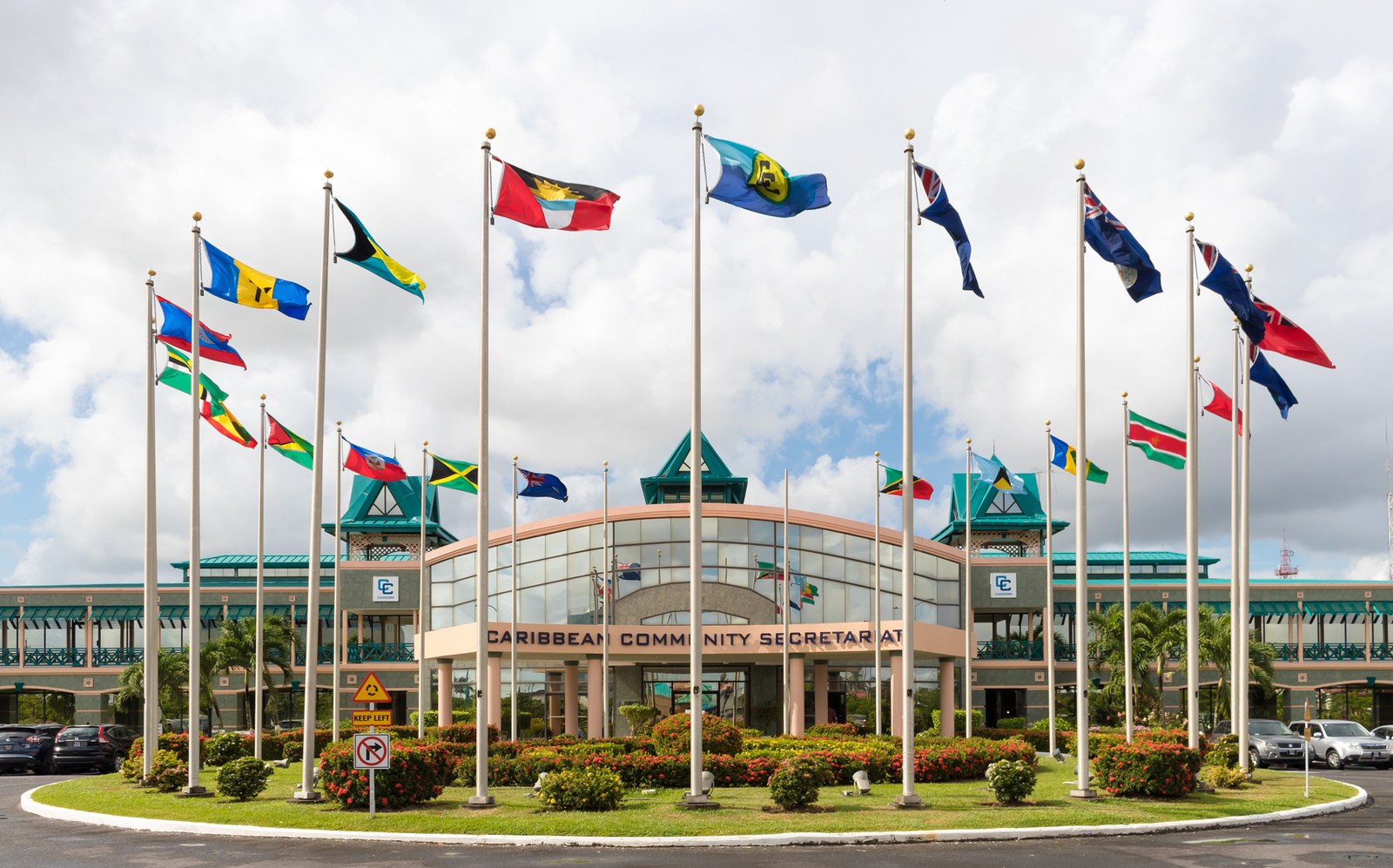
La Secretaría de CARICOM y la Agencia Caribeña para Soluciones de Justicia (CAJS) forjan una alianza para acelerar la transformación digital.
The CARICOM Secretariat (CCS) and the Caribbean Agency for Justice Solutions (CAJS) have come together in a significant partnership aimed at advancing digital transformation and enhancing service..