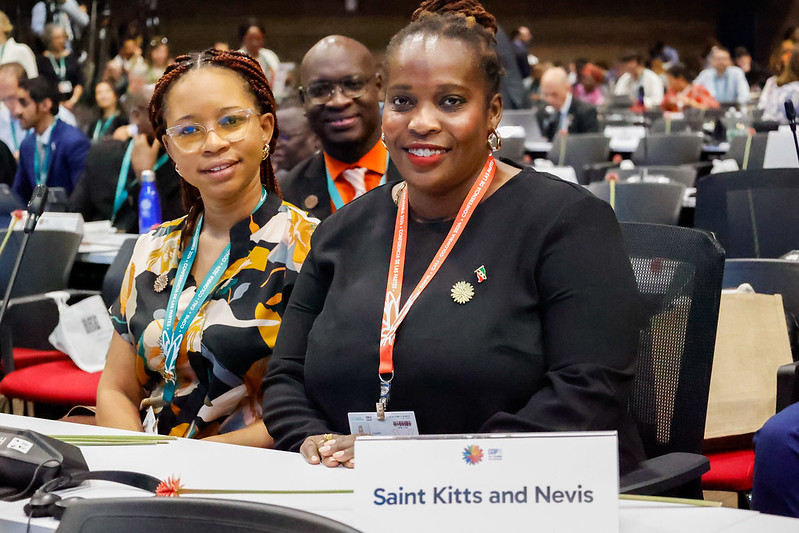
Caribbean countries join to recommend actions to improve the adoption of Integrated Soil Management Practices
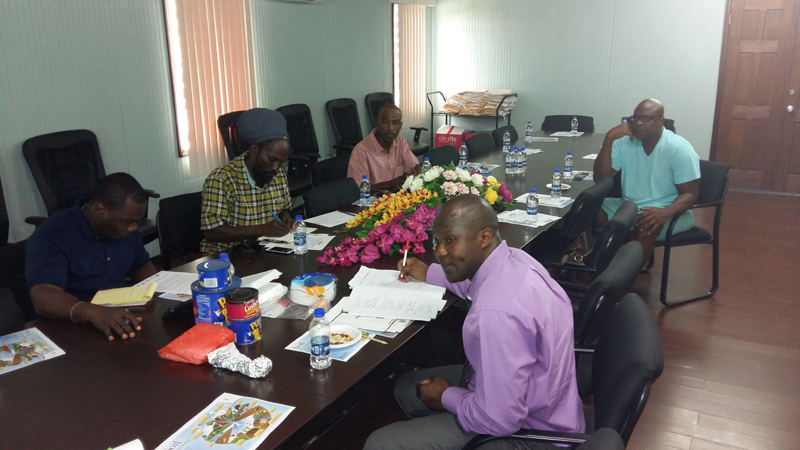
A webinar convened more than 50 stakeholders to discuss regional experiences in this subject
Trinidad and Tobago, November 13, 2015 (IICA). On September 30, 2015 the Inter-American Institute for Cooperation on Agriculture (IICA) and its partners, the Caribbean Community Climate Change Centre (CCCCC), the Deutsche Gesellschaft für Internationale Zusammenarbeit (GIZ), the Food and Agriculture Organization (FAO) and the Caribbean Agricultural Research and Development Institute (CARDI) organized the second Caribbean Climate Smart Agriculture Forum for the Anglophone Caribbean countries to discuss integrated soil management.
The discussion set the context, covered the basics and reviewed regional experiences on degraded soils recovery. The forum, in which more than 50 people participated, included virtual technical presentations and concluded with national sessions to discuss and make assessments of the particular situations in each country. The presentations were delivered by specialists from the University of the West Indies (UWI), the Food and Agriculture Organization (FAO) and IICA.
Prof. Dr. Gaius Eudoxie, from UWI, delivered the presentation “Integrated Soil Management for Sustainable Agriculture” focusing on key soil quality indicators and a focus on the importance of sustainable agricultural development as a strategy for the successful management of the soil.
Dr. Abimbola Abiola from IICA, gave the presentation “Remediation of soils degraded from mining in Suriname” addressing the use of soil management strategies for the remediation of contaminated soils, and discussed three real cases describing a set of sustainable and practical phytoremediation techniques.
Dr. Lystra Fletcher Paul from FAO, delivered the presentation “Why is 2015 the International Year of Soils?” aimed at increasing the awareness and understanding of the importance of the soil for food security and essential ecosystem functions, and the link between soils and climate change.
The national discussions showed that there is consensus among the stakeholders about their expectations that government agencies have responsibility for providing improved extension services and for incorporating education on soil conservation as a fundamental pillar. It was recommended that tenure regularization be improved and incentives be provided to farmers that implement good soil management and conservation practices in their lands.
It was acknowledged that countries in the region have differing levels of technical and financial capacity and extension services to work on this topic.
As a general recommendation the participants expressed the need to enhance the technical capacities and provide incentives and training for the farming community to promote the adoption of good soil management practices across the region.
More information:
You may also be interested in:
La CSME, la seguridad alimentaria y la financiación climática encabezan la agenda de la Cumbre de CARICOM en las Bahamas.
The CARICOM Single Market and Economy (CSME); food security; climate change and climate finance; health; and security will be among the major topics when Heads of Government of CARICOM Meet in The.
La Secretaría de CARICOM y la Agencia Caribeña para Soluciones de Justicia (CAJS) forjan una alianza para acelerar la transformación digital.
The CARICOM Secretariat (CCS) and the Caribbean Agency for Justice Solutions (CAJS) have come together in a significant partnership aimed at advancing digital transformation and enhancing service..