OAS undertaking cultural project in CARICOM countries

Expanding the Socio-Economic Value of Cultural Heritage in the Caribbean
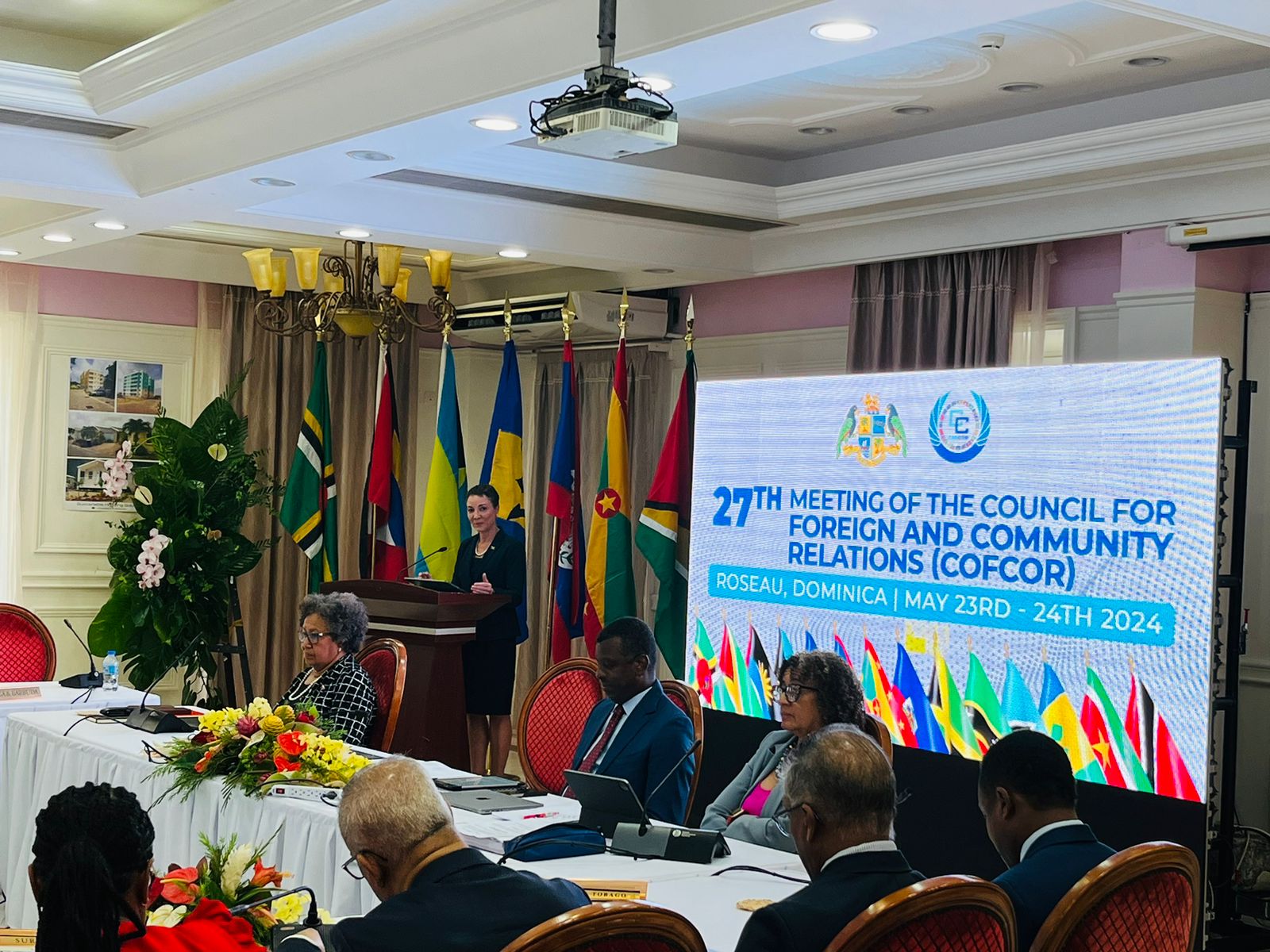
BRIDGETOWN, Barbados (CMC) – At least 14 Caribbean Community (CARICOM) countries are participating in an innovative-multi-nation initiative aimed at identifying untapped cultural heritage resources and to develop new tools for monitoring and incentivising their protection.
The Organisation of American States (OAS) project which is being funded by the United States, is being carried out in Antigua and Barbuda, The Bahamas, Barbados, Belize, Dominica, Grenada, Guyana, Jamaica, St. Kitts and Nevis, Saint Lucia, St. Vincent and the Grenadines, Suriname, and Trinidad and Tobago, with Haiti as an observer.

The OAS said that overall goal of the ‘Expanding the Socio-Economic Value of Cultural Heritage in the Caribbean’ project is “to contribute to expanding the socio-economic benefits of regional Cultural Heritage as valuable, non-renewable, multi-component, and multi-stakeholder public resources through a new paradigm of public/private partnerships and engagement of stakeholder communities”.
The project will be based at the University of the West Indies, and will be administered by an advisory board headed by the interim Director, Dr. Sabrina Rampersad.
“It is important that we explore all opportunities to recognise the role and contribution of Cultural Heritage to development in our communities and economies.
“Through this initiative, the OAS is making a significant investment to support the efforts in member states to develop and utilise the untapped social and economic potential of the Cultural Heritage of the region,” said the chief of the OAS’ Culture and Tourism Section, Richard Campbell.
Five project components are currently being implemented as pilot activities, in response to the priorities that were earlier identified through a broad consultation process with heritage specialists throughout the region.
These are capacity-sharing, through region-wide, specialised networks of heritage professionals, cultural custodians, traditional crafts practitioners, and researchers; protective legislation, through the review of each country’s current legislation on heritage protection and the provision of financial incentives by a team of internationally-recognised legal experts; and securing the establishment of effective and comprehensive national registers.
Also included are a public-private, community-based heritage tourism model currently being formulated and tested in Grenada; and an evaluation of existing heritage courses and programmes at educational institutions throughout the region.
The organisers said this is aimed at identifying curricular gaps and developing a process of offering online courses through the University of the West Indies Open Campus to serve the needs of students, as well as mid-career professionals throughout the region.
You may also be interested in:
La CSME, la seguridad alimentaria y la financiación climática encabezan la agenda de la Cumbre de CARICOM en las Bahamas.
The CARICOM Single Market and Economy (CSME); food security; climate change and climate finance; health; and security will be among the major topics when Heads of Government of
La Secretaría de CARICOM y la Agencia Caribeña para Soluciones de Justicia (CAJS) forjan una alianza para acelerar la transformación digital.
La Secretaría de CARICOM (CCS) y la Agencia Caribeña para Soluciones de Justicia (CAJS) han establecido una importante alianza con el objetivo de impulsar la transformación digital y mejorar la pre
Related Stories

CARICOM looking to benefit from EU-ACP culture funding
https://www.iwnsvg.com/2019/10/18/caricom-looking-to-benefit-from-eu-acp-culture-funding/
La CSME, la seguridad alimentaria y la financiación climática encabezan la agenda de la Cumbre de CARICOM en las Bahamas.
The CARICOM Single Market and Economy (CSME); food security; climate change and climate finance; health; and security will be among the major topics when Heads of Government of