New PAHO/WHO network will monitor women and newborns in the Caribbean and Latin America
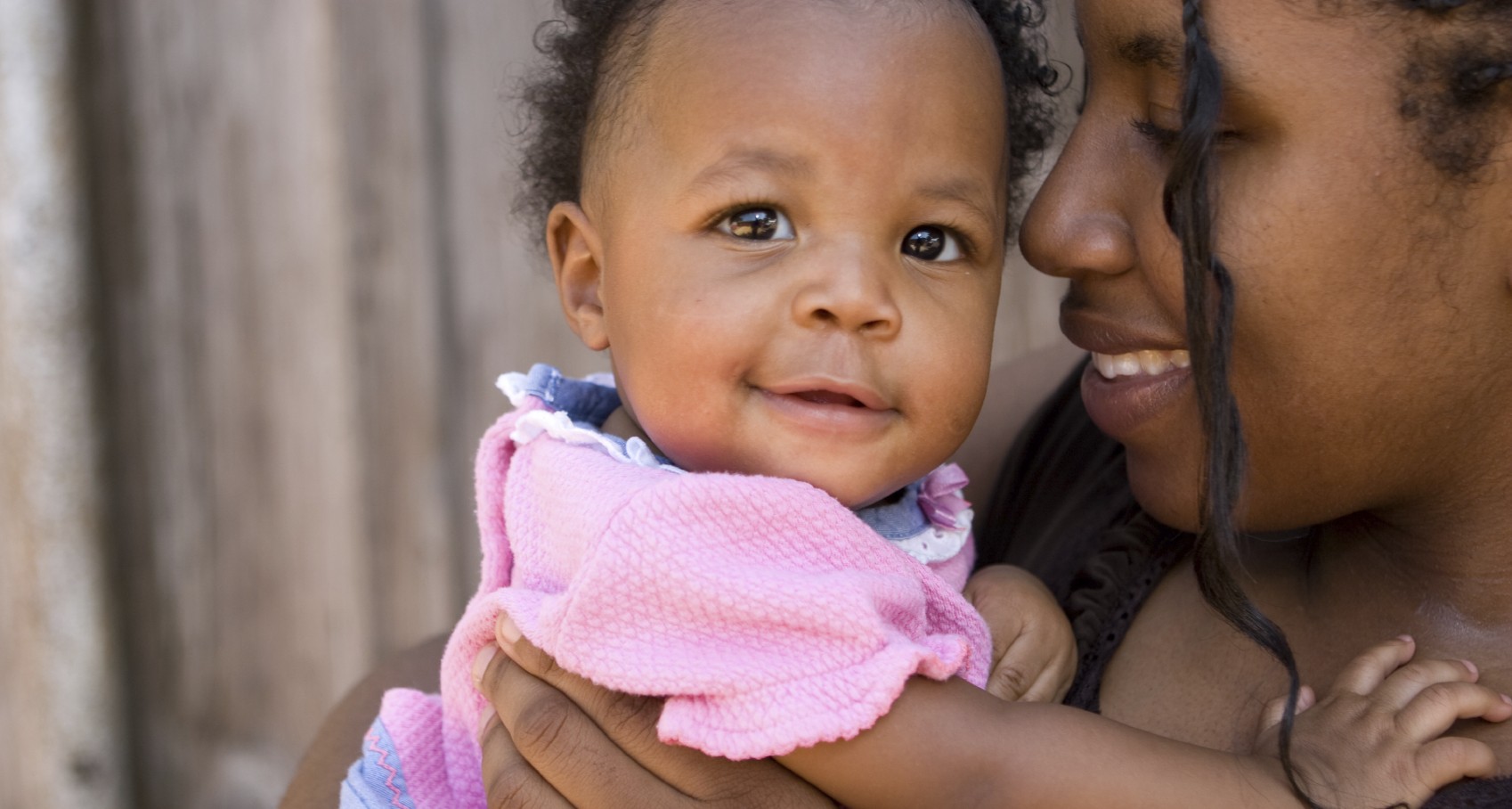
Brasilia (PAHO/WHO) — ON average, approximately 16 women die every day in the Caribbean and Latin America from complications of pregnancy or childbirth, while 250 babies die each day before having reached 28 days of age. To gather information on the causes of these deaths and contribute to policies for their prevention, the Pan American Health Organization/World Health Organization (PAHO/WHO) has launched the new CLAP Network of Latin American and Caribbean Centers for Maternal Surveillance and Research on Women’s and Neonatal Health.
“Maternal mortality has been reduced considerably in the last 20 years, but it continues to be unacceptably high, and the majority of its causes can be prevented or treated,” said Suzanne Serruya, Director of the Latin American Center for Perinatology, Women and Reproductive Health (CLAP/WRH) of PAHO/WHO, during the launch of the new network in Brasilia.
The new CLAP Network will play an important role in helping to further reduce maternal and neonatal mortality in the Region by collecting data on the causes of maternal and neonatal death as well as on the causes of complications that leave women seriously affected following childbirth.
Maternal and newborn health are closely intertwined. Approximately two out of three neonatal deaths occur during the first week of life, and the main causes include prematurity, congenital anomalies, asphyxia, sepsis and other infections.
Pablo Duran, regional advisor on perinatal health at CLAP/WHR, noted that since 1990 the number of newborns who die in the first month of life has declined 55% in the Region. “But we should make more efforts to prevent these deaths and conditions such as prematurity, retinopathy and asphyxia that can impact negatively on health and quality of life.”
“The CLAP Network will help assess the use and impact of cost-effective interventions and will monitor conditions that help reduce preventable deaths that affect the quality of life of newborns,” said Duran.
The CLAP Network builds on a collaborative effort in which 22 institutions in 12 Latin American countries began in 2012 to use a new component of the Perinatal Clinical History (HCP), which contains data on pregnant women and their children from the first prenatal visit until after delivery. The new component, introduced into the Perinatal Information System (IAPA), makes it possible to monitor severe maternal health events. The CLAP Network will now try to expand that collaboration to more institutions and countries.
More than 50 hospitals, health institutes, universities and WHO Collaborating Centers in over 25 countries of the Americas have been invited to become part of the new network.
You may also be interested in:

La CSME, la seguridad alimentaria y la financiación climática encabezan la agenda de la Cumbre de CARICOM en las Bahamas.
The CARICOM Single Market and Economy (CSME); food security; climate change and climate finance; health; and security will be among the major topics when Heads of Government of CARICOM Meet in The.
La Secretaría de CARICOM y la Agencia Caribeña para Soluciones de Justicia (CAJS) forjan una alianza para acelerar la transformación digital.
The CARICOM Secretariat (CCS) and the Caribbean Agency for Justice Solutions (CAJS) have come together in a significant partnership aimed at advancing digital transformation and enhancing service..