
Economic growth of CARICOM region set to improve as harmonised customs bill nears finalisation
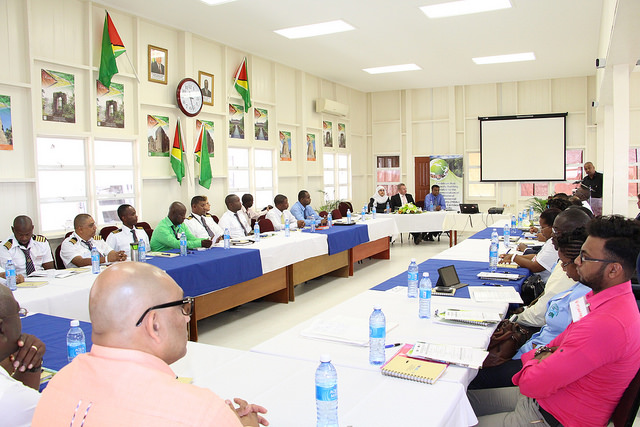
A momentous 12 year effort to bring to pass a much-coveted harmonised customs bill for the Caribbean is now in its final stages. The bill is intended to foster economic growth in the region, which will ultimately contribute to the improvement of CARICOM nation economies. CARICOM policy makers are due to finalise the harmonisation of customs laws in two meetings that will take in place in Antigua & Barbuda from 23 – 27 February and in Trinidad & Tobago from 23 – 26 March 2015. If successful, the harmonisation project will see businesses assured of equal and fair treatment by customs authorities throughout the region. It will also increase transparency of all activities by customs administrations and give trading partners a level of predictability.
The Caribbean Community (CARICOM) consists of fifteen Member States and five Associate Member States and has been in effect since 1973. As the region moved closer towards integration, it was recognised that an enabling environment for greater inter-regional trade must be encouraged. Subsequently, a project to harmonise the customs laws of the Caribbean Community was launched at the beginning of the 21st century, spearheaded by the Caribbean Executive Committee. Agreement for the bill was finally reached in August of 2014 with only one outstanding issue remaining: the drafting of regulations.
It will be this issue that is deliberated on over the course of two meetings, the first taking place in Antigua & Barbuda in February, and the second in Trinidad & Tobago in March. Both meetings are organized by CARICOM with the support of the ACP Business Climate Facility (BizClim). A harmonised customs bill will see improved regional integration and bring many economic benefits to the region. These include greater foreign direct investment in the Caribbean, reduced clearance times for goods at ports of entry and greater support of regional companies as they expand their operations to other territories.
Notes for Editors: CARICOM: The Caribbean Community (CARICOM) is a regional organisation of 15 Caribbean countries and five Associate Members whose main objectives are the promotion of economic integration, the cooperation among its member States, the assurance that the benefits of integration are equitably shared, and the coordination of foreign policy.
BizClim: The ACP Business Climate Facility (BizClim) is a program of the ACP Secretariat financed by the European Union under the 10th European Development Fund (EDF). It aims at fostering a business enabling environment in ACP countries and regions by improving legislation, institutional frameworks and financial measures relating to the enabling environment of the private sector.
Links: Workshop website: www.caricom-customs.com
CARICOM: www.caricom.org
BizClim: www.bizclim.org
Press contact: Ardene Sirjoo ICWE GmbH Ardene.Sirjoo@icwe.net
You may also be interested in:
La CSME, la seguridad alimentaria y la financiación climática encabezan la agenda de la Cumbre de CARICOM en las Bahamas.
The CARICOM Single Market and Economy (CSME); food security; climate change and climate finance; health; and security will be among the major topics when Heads of Government of CARICOM Meet in The.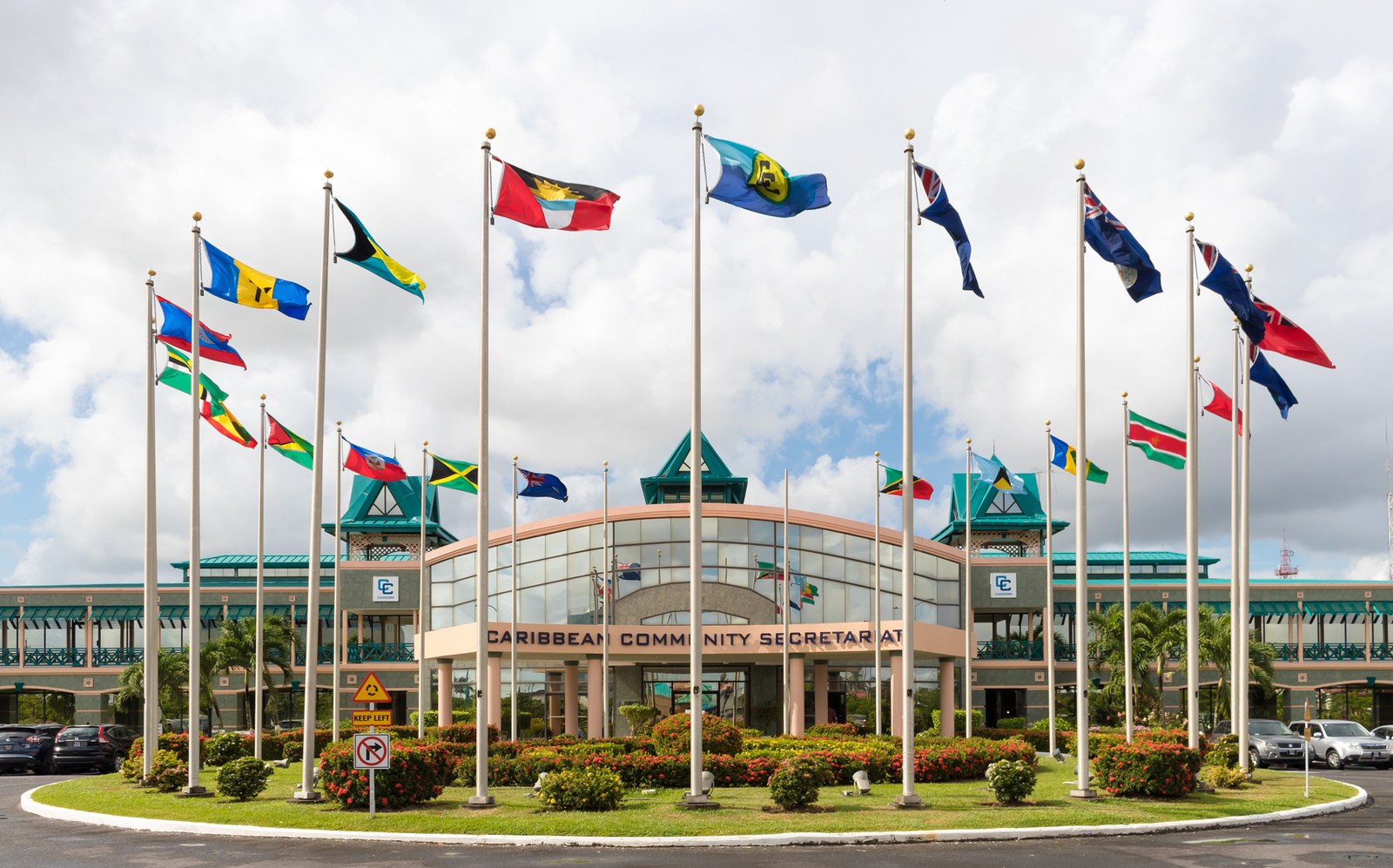
La Secretaría de CARICOM y la Agencia Caribeña para Soluciones de Justicia (CAJS) forjan una alianza para acelerar la transformación digital.
The CARICOM Secretariat (CCS) and the Caribbean Agency for Justice Solutions (CAJS) have come together in a significant partnership aimed at advancing digital transformation and enhancing service..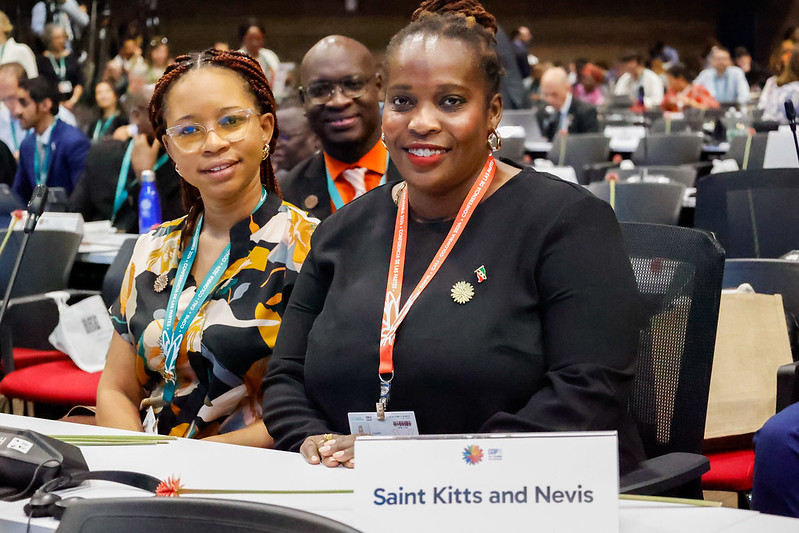
Declaración de la Honorable Dra. Joyelle Clarke, Ministra de Desarrollo Sostenible, Medio Ambiente, Acción Climática y Empoderamiento de la Comunidad de San Cristóbal y Nieves | Segmento de Alto Nivel, 16.ª Reunión de la Conferencia de las Partes del Convenio de las Naciones Unidas sobre la Diversidad Biológica | Cali, Colombia | 30 de octubre de 2024
"The fight for biodiversity cannot be disentangled from the climate crisis. This is why our commitment to the Kunming-Montreal Biodiversity Framework is especially critical and why Saint KittsRelated Stories