Remarkable Progress Five Years after Haiti Earthquake
ATLANTA, Jan. 12, 2015 /PRNewswire-USNewswire/ -- Five years after the devastating earthquake in 2010 left millions in need of urgent medical care, Haiti has made significant progress toward rebuilding the national public health system. Working with the Haitian government, U.S. Centers for Disease Control and Prevention (CDC) and other partners have made progress toward the reconstruction of the public health sector to establish disease surveillance systems, enhance laboratory capacity, and develop human capacity in clinical services, epidemiology, and public health leadership.
Today Haiti has more disease detectives to quickly detect outbreaks and effectively respond; over 250 water and sanitation technicians to help rural areas improve drinking water; more vaccinated children; and new Ministry of Health facilities for laboratory, epidemiology and research staff.
"Particularly since the earthquake in 2010, CDC has made significant investment in the national laboratory and disease surveillance systems in Haiti" said David Lowrance, M.D., M.P.H., director of CDC's Haiti office. "These systems and capacities are vital to preventing, detecting, and responding to public health threats before they become crises and to protecting the health of the Haitian people and the global community."
Disease control efforts by CDC and its national and international partners have led to significant advances in efforts to eliminate malaria and lymphatic filariasis from Haiti, as well as gains in access to tuberculosis treatment services and access to improved water and sanitation facilities. Today, 87 percent of HIV-positive pregnant women in Haiti receive treatment to prevent the transmission of HIV to their babies, one of the highest rates in the developing world.
Haiti has made significant progress but much more is needed. "There is a cohort of children who have been missed by the routine immunization program; outbreaks of epidemic diseases still occur; and progress has been slow and limited in restoring the physical health infrastructure," said Dr. Lowrance.
After the earthquake, existing HIV/AIDS programs enabled CDC's Haiti office to rapidly expand its mission through post-earthquake investments.
"Following the earthquake, CDC expanded the partnership with the people of Haiti to not only support their fight against HIV/AIDS, but to support reconstruction and rebuilding of the health system and to respond to the subsequent cholera epidemic," noted Tom Kenyon, M.D., M.P.H., CDC's director of global health.
This synergy has enabled implementation of other activities related to global health security, including capacity building for the prevention, detection, and response to potential epidemic diseases and natural disasters.
"Haiti has a lot to be proud of in the health sector and we look forward to continuing this work and to helping sustain the gains Haiti has made over the last five years," Lowrance said.
For more information, http://www.cdc.gov/media/dpk/2015/dpk-haiti-earthquake.html
Photos
https://www.flickr.com/photos/cdcglobal/8518309193/in/set-72157632886604687
As an instructor looks on, students learn lab techniques at the National Public Health Laboratory in Port-au-Prince. CDC staff support the lab with training and equipment, and the site serves as a training facility for lab technicians across Haiti.
https://www.flickr.com/photos/cdcglobal/8518329457/in/set-72157632886604687
Staff members of DINEPA (the National Directorate for Drinking Water and Sanitation) test water for chlorination at a private residence in the city of Mirebalais, Haiti. With the support of the CDC, the office is both testing water quality in Haiti and mapping existing water sources for future use.
U.S. Department of Health and Human Services
CDC works 24/7 saving lives, protecting people from health threats, and saving money through prevention. Whether these threats are global or domestic, chronic or acute, curable or preventable, natural disaster or deliberate attack, CDC is the nation's health protection agency.
SOURCE Centers for Disease Control and Prevention (CDC)
You may also be interested in:
La CSME, la seguridad alimentaria y la financiación climática encabezan la agenda de la Cumbre de CARICOM en las Bahamas.
The CARICOM Single Market and Economy (CSME); food security; climate change and climate finance; health; and security will be among the major topics when Heads of Government of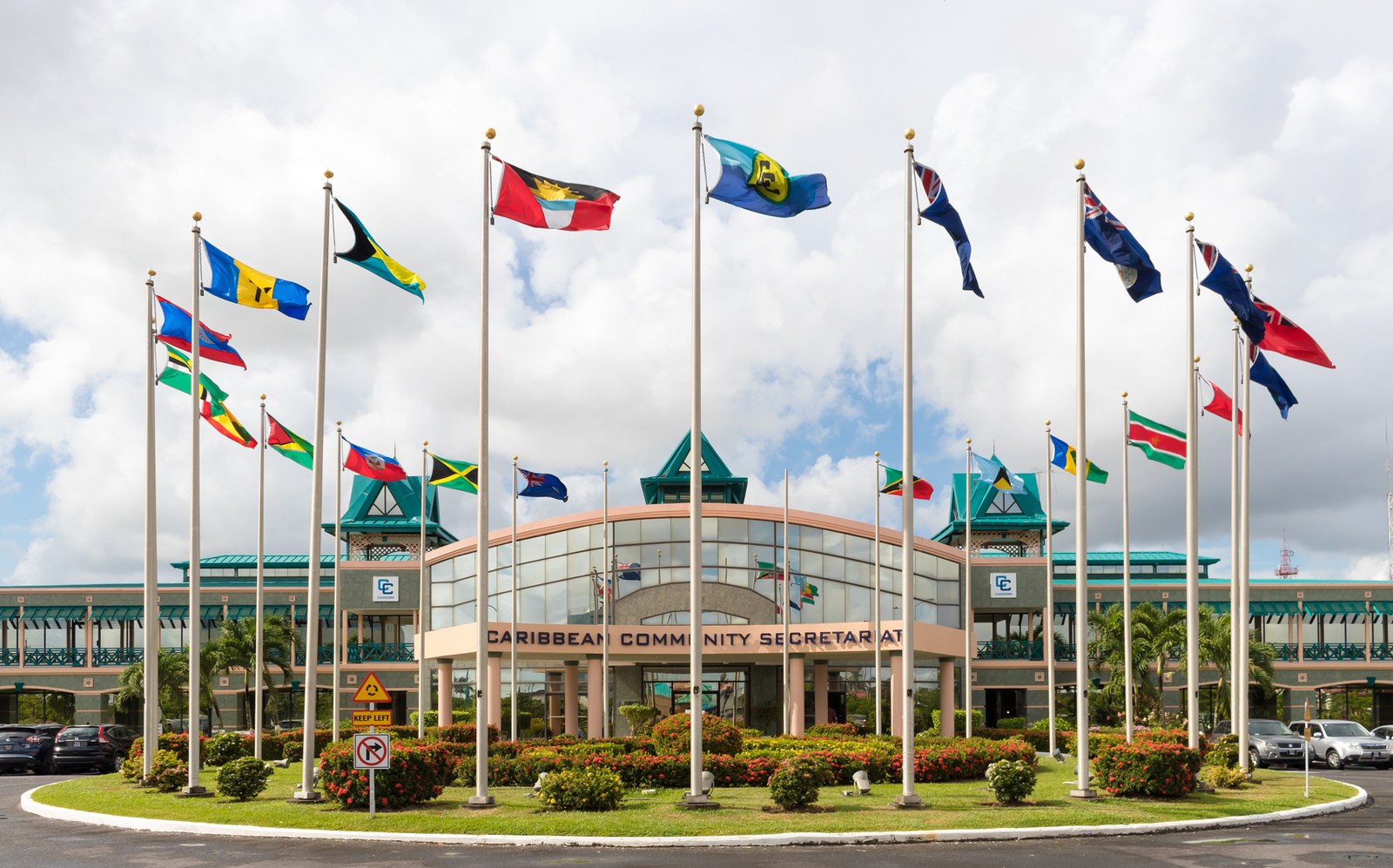
La Secretaría de CARICOM y la Agencia Caribeña para Soluciones de Justicia (CAJS) forjan una alianza para acelerar la transformación digital.
La Secretaría de CARICOM (CCS) y la Agencia Caribeña para Soluciones de Justicia (CAJS) han establecido una importante alianza con el objetivo de impulsar la transformación digital y mejorar la pre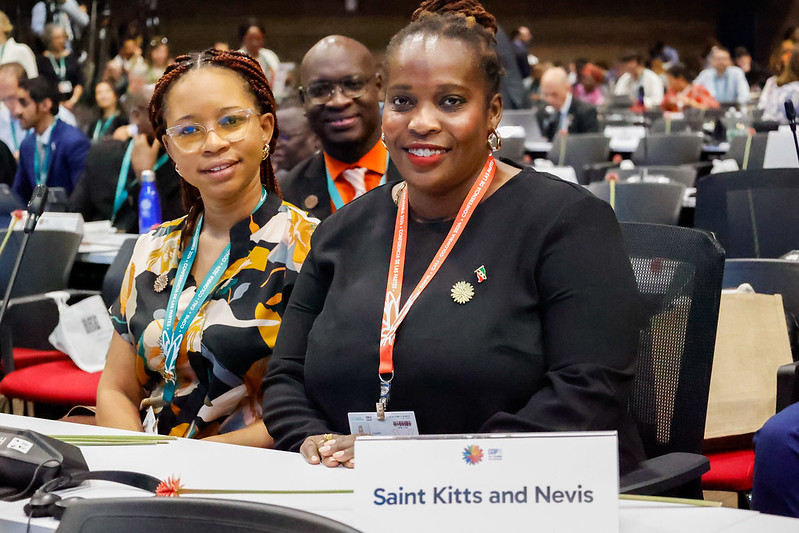
Related Stories
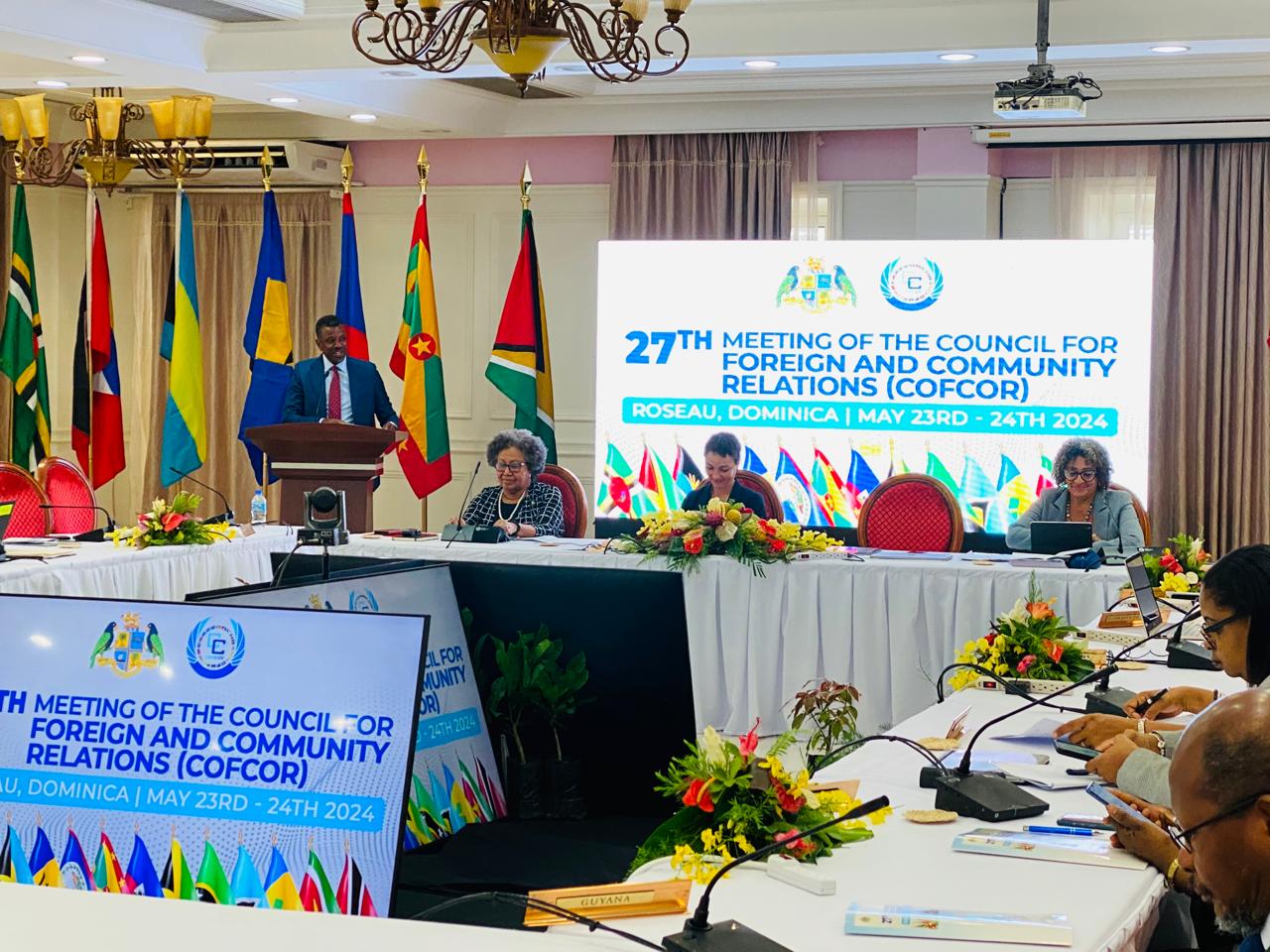
Remarks by the Incoming Chair of the Council for Foreign and Community Relations (COFCOR), the Hon. Vince Henderson, Minister of Foreign Affairs, International Business, Trade and Energy of the Commonwealth of Dominica at the Opening Ceremony of the Twenty-Seventh Meeting of COFCOR, 23 May 2024, Roseau, Dominica
Dr. Carla N. Barnett, Secretary-General of the Caribbean Community (CARICOM);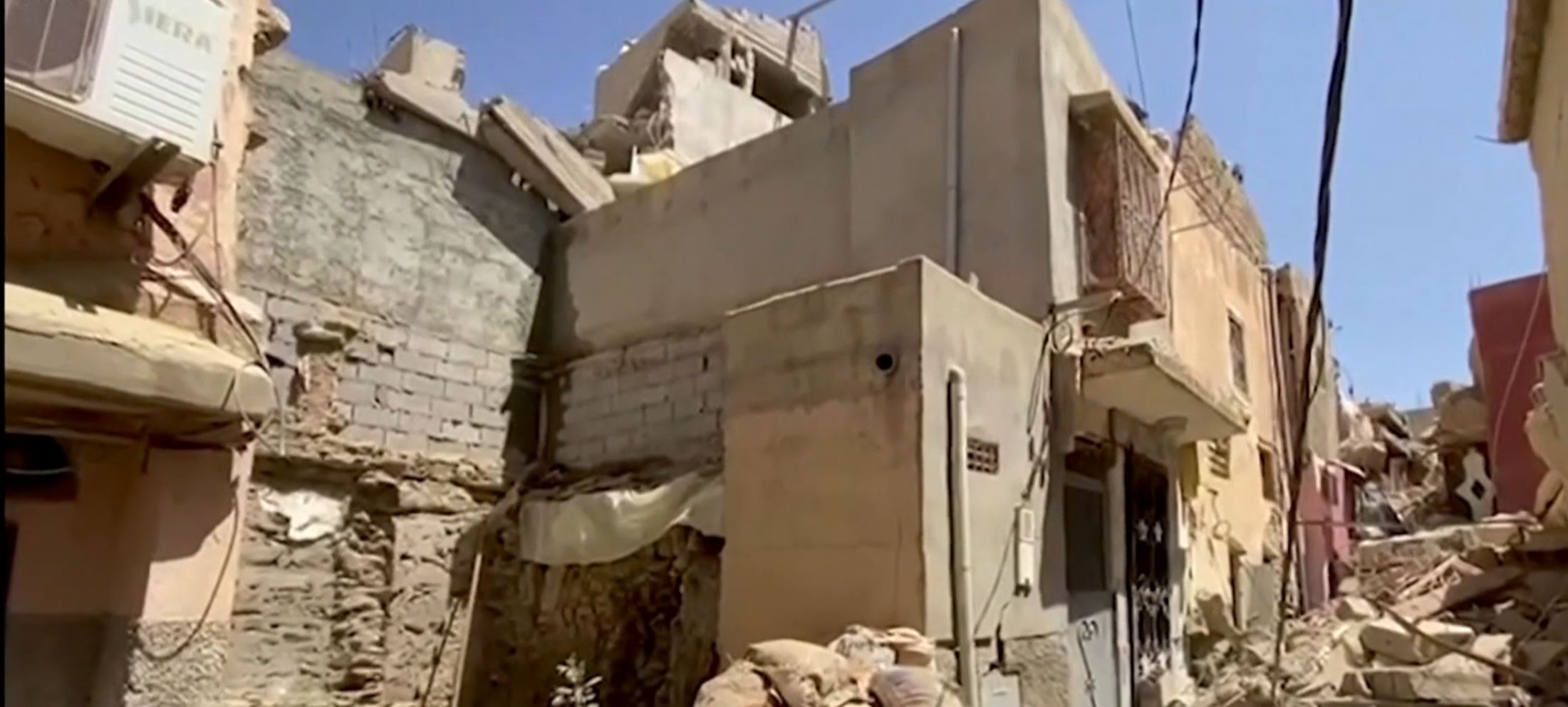
Statement from CARICOM on the Earthquake in Morocco
The Caribbean Community (CARICOM) is deeply saddened to learn of the death and devastation in the Kingdom of Morocco from the earthquake which struck on Friday 8 September.