The region signs on to plan to manage the Flying Fish
BELIZE, MAY 24 - A historic Flying Fish Fisheries Policy has been endorsed by the Caribbean Regional Fisheries Mechanism’s (CRFM) Ministerial Council.
The Sub-Regional Fishery Management Plan for the Eastern Caribbean Flying Fish Fishery was approved at the council’s just concluded eighth meeting held at the Fort Young Hotel in Roseau, Dominica.
The CRFM’s Executive Director Milton Haughton says it is the first time the Caribbean has approved a joint management plan for the shared resource.
“This is a significant development because this is the way we need to go in order to strengthen the governance arrangements for the shared resources, so this is a first step,” he said.
Haughton says the plan is necessary for the entire region but particularly Barbados, Trinidad and Tobago, Grenada, St. Vincent, St. Lucia and Dominica who depend on the marine resource.
“Flying fish is shared by these countries - six CARICOM states plus the French Department of Martinique exploit the flying fish at this time. These countries need to come together and together decide on the measures that they would put in place to ensure sustainable utilization, proper management and conservation of this fishery.”
He continued this is important so that fishermen can have decent livelihoods, ensure optimum production for food security and external trade.
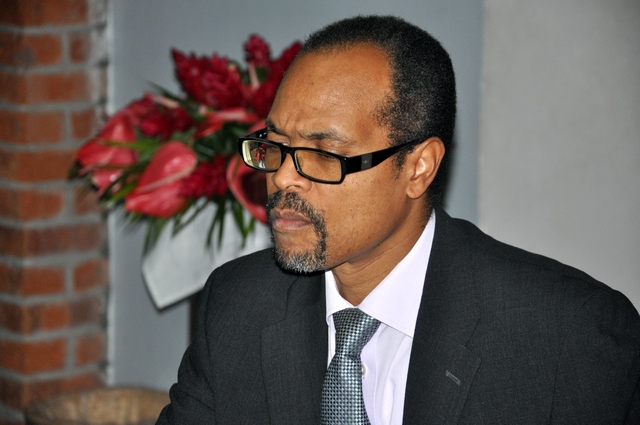
Meanwhile, immediate past chairman of the Ministerial Council, Barbados’ Minister of Agriculture, Dr. David Estwick says a pending fishing agreement between Barbados and Trinidad remains with Barbados’ Ministry of Foreign Affairs.
He explained because it is a foreign trade issue the agreement does not lie with his ministry. “I believe very strongly that the interaction of the various ministers of fisheries allow therefore a portal through which you can get into the cabinet and get up to the Prime Ministers, but that is not the way it is structured,” he said.
Dr. Estwick continued: “Within the exclusive economic zone and given that we don’t have the classical 200 mile space sometimes delimiting both countries I really believe that at the ministerial level, that level of minister to minister discussion could resolve a whole lot of this set of delimitations and set the environment for truly having access to the marine space and the resources within that marine space without forming encumbrances.”
Haughton says now the policy has been endorsed at the council level the next step is implementation.
The sub-regional fisheries management plan for flyingfish was prepared with the assistance of FAO/WECAFC, the CLME Project and CERMES-UWI.
You may also be interested in:

La CSME, la seguridad alimentaria y la financiación climática encabezan la agenda de la Cumbre de CARICOM en las Bahamas.
The CARICOM Single Market and Economy (CSME); food security; climate change and climate finance; health; and security will be among the major topics when Heads of Government of
La Secretaría de CARICOM y la Agencia Caribeña para Soluciones de Justicia (CAJS) forjan una alianza para acelerar la transformación digital.
La Secretaría de CARICOM (CCS) y la Agencia Caribeña para Soluciones de Justicia (CAJS) han establecido una importante alianza con el objetivo de impulsar la transformación digital y mejorar la pre
Related Stories
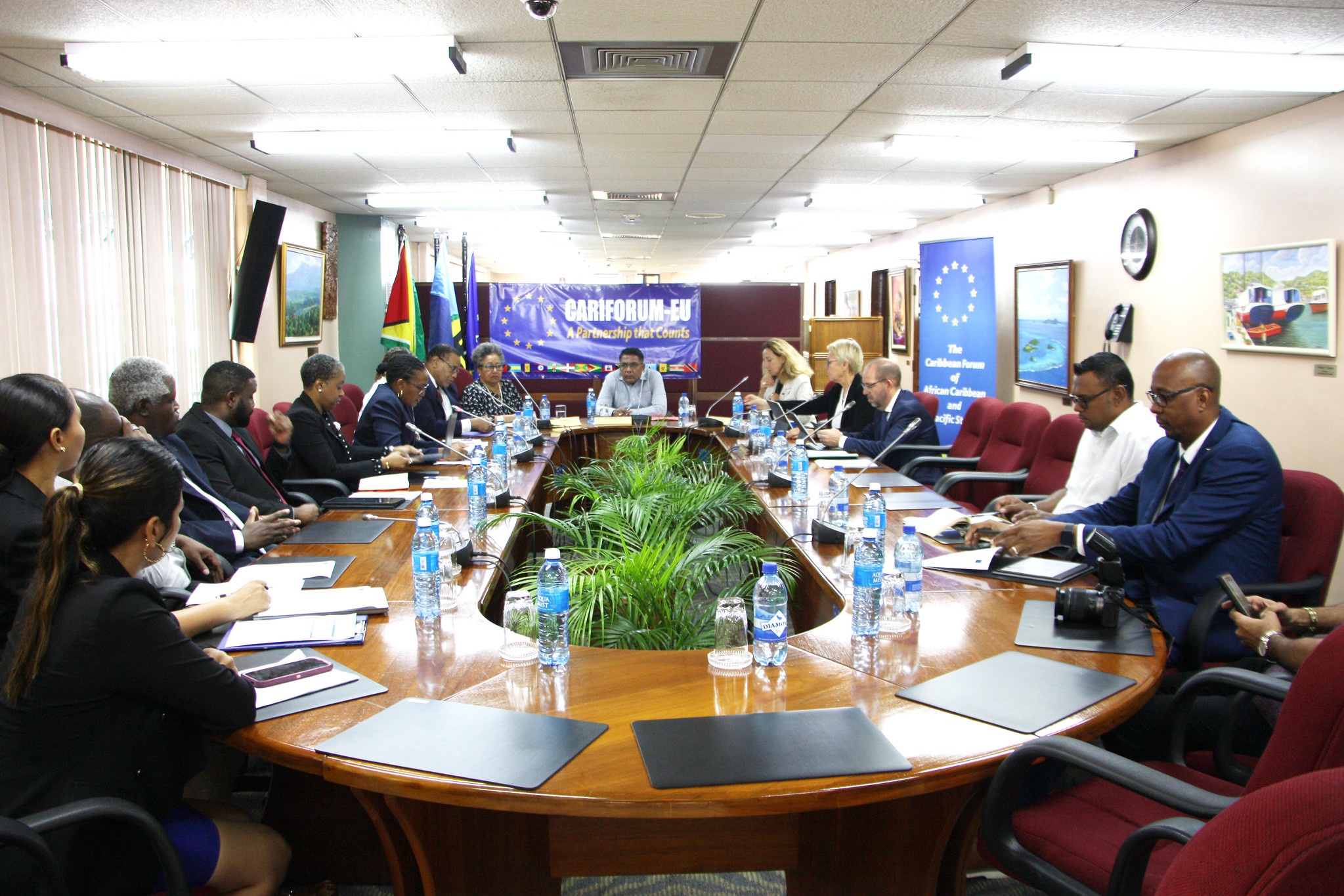
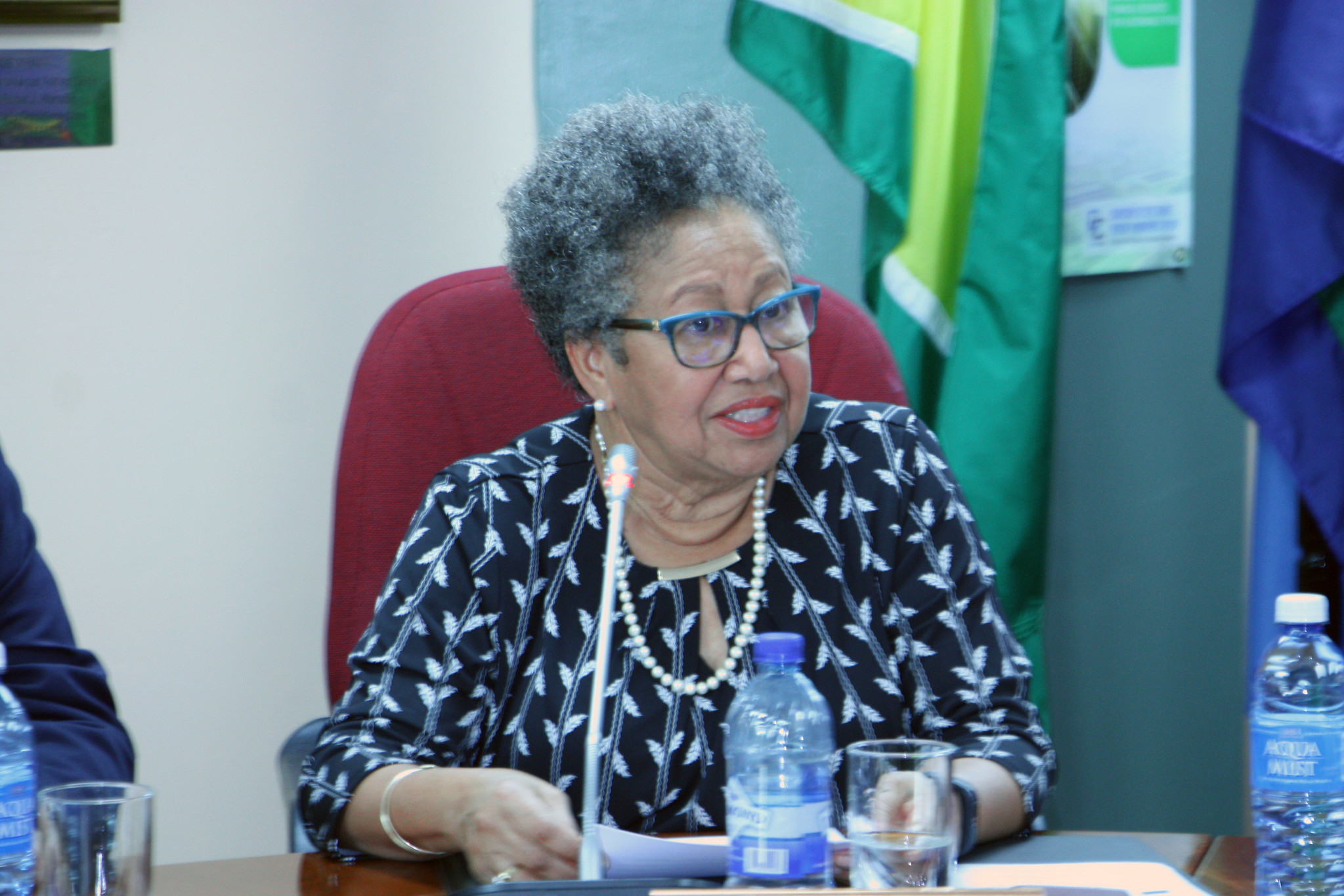
Remarks by Dr Carla N. Barnett, Secretary-General CARICOM/CARIFORUM, at the Launch of the EU-CARIFORUM Food Security Programme, CARICOM Secretariat, Guyana, 23 November 2023
Honourable Zulfikar Mustapha, Minister of Agriculture of Guyana;