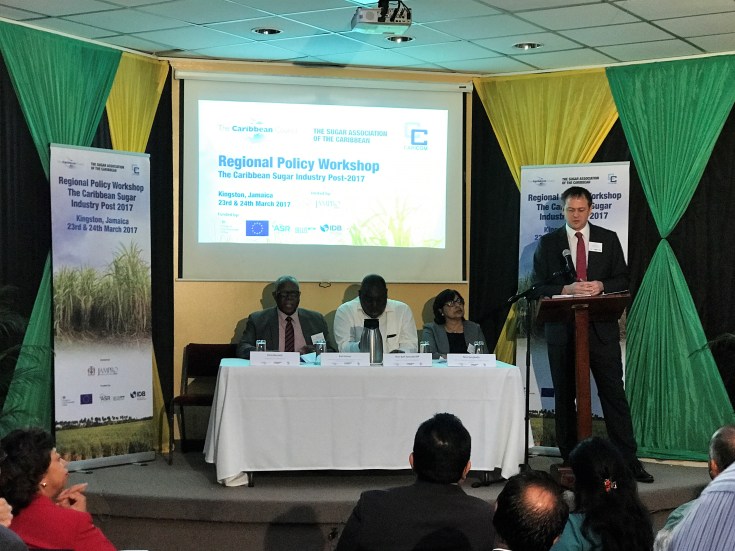
Communiqué Issued At The Conclusion Of The Fourth CARICOM Sugar Stakeholders Meeting, Georgetown, Guyana
(CARICOM Secretariat, Turkeyen, Greater Georgetown, Guyana) Caribbean Community (CARICOM) Stakeholders on Sugar are confident that the industry will retain its ability to meet the challenges of the international environment for the commodity.
At their Fourth Meeting in Georgetown, Guyana, on 11 and 12 January 2007, Ministers and industry representatives of Barbados, Belize, Guyana, Jamaica, St Kitts and Nevis, and Trinidad and Tobago, considered the National Adaptation Strategies in place throughout the Region to take the sugar industry well beyond the production of raw sugar for export.
The objective is to transform the industry into one in which the utilisation of the sugarcane plant, in particular as a source of renewable energy, is fully developed.
The strategies for diversification and transformation which were being pursued in the Region included:
• adding value through the development of sugar refining and Caribbean brand packaging;
• diversification into the energy sectors such as co-generation, bio-ethanol;
• Sustaining supplies of raw material to the rum industry;
• Recognition of sugar’s place in tourism, soil conservation and enhancing the environment.
CARICOM stakeholders recognised that in achieving the strategic objectives of the industry, sugar remains a crucial element.
Although the Region is experiencing short-term supply difficulties in 2007 due to adverse weather, and also the cessation of sugar production in St Kitts and Nevis, the industry remains confident of its ability to meet the challenges of the international trading environment. The industry’s responses to these challenges include:
• enhancing of agricultural productivity – improvements in basic infrastructure, soil drainage, transport;
• re-engineering the business model to include diversification based on cane;
• increased investment in Research and Development
• investment in new processing facilities;
Efforts will also be focused on restoring supplies to sustain access to markets in Europe and the USA and to meet the entire raw and refined sugar needs of the CARICOM market. In this regard stakeholders reaffirmed the strong interest of CARICOM in retaining for its industries all quota shortfalls under the ACP-EU Sugar Protocol.
In pursuit of the strategies of transforming the Regional sugar industry, CARICOM sugar stakeholders emphasised that a constructive ongoing partnership with the European Union was vital. Such a partnership had been embodied in the Commonwealth Sugar Agreement and its successor, the ACP-EU Sugar Protocol. CARICOM confidently expects that the benefits which flow from this partnership will continue and will be strengthened.
In order to preserve and extend the benefits of the partnership with the EU in regard to sugar, it is essential to achieve the following:
• assured access to the EU sugar market at least at the level of quotas currently enjoyed by CARICOM signatories to the Sugar Protocol;
• increased access to take account of the needs of individual sugar industries planning expansion in production;
• a remunerative price negotiated under the terms of the Sugar Protocol;
• funding by the EU to enable the Region’s sugar industries to embark on strategies of modernisation, adaptation and transformation to absorb the impact of the severe reduction in prices which result from the changes in the EU Sugar Regime, and which began to take effect in July 2006.
In this connection, CARICOM stakeholders noted with concern the lack of flexibility in the European Commission’s attitude to negotiating the Guaranteed Price under the Sugar Protocol. They resolved to insist that full account be taken of relevant economic factors, such as freight and transport costs, and that the price fully reflect the range of prices obtaining in the EU.
CARICOM stakeholders welcomed the provision of EU finance in support of the Adaptation Strategies as set out in their National Action Plans. They welcomed the confirmation that funding of 1.244 billion euros had been earmarked from 2007 to 2013 to fund these plans aimed at assisting the ACP Sugar Protocol signatories to adapt to lower prices resulting from the reform of the EU sugar regime. They noted that the initial allocation of 165 million euros for 2007 fell short of the amount that had been indicated by various EU representatives. In light of this, as well as the fact that the EU price cuts have already commenced, stakeholders emphasised the need for rapid disbursements and front loading of the funding for the Action Plans.
During the course of the meeting, Ministers and stakeholders paid a visit to the new Skeldon project, which will be the most modern factory in the Region incorporating cogeneration of electricity and a refinery.
You may also be interested in:
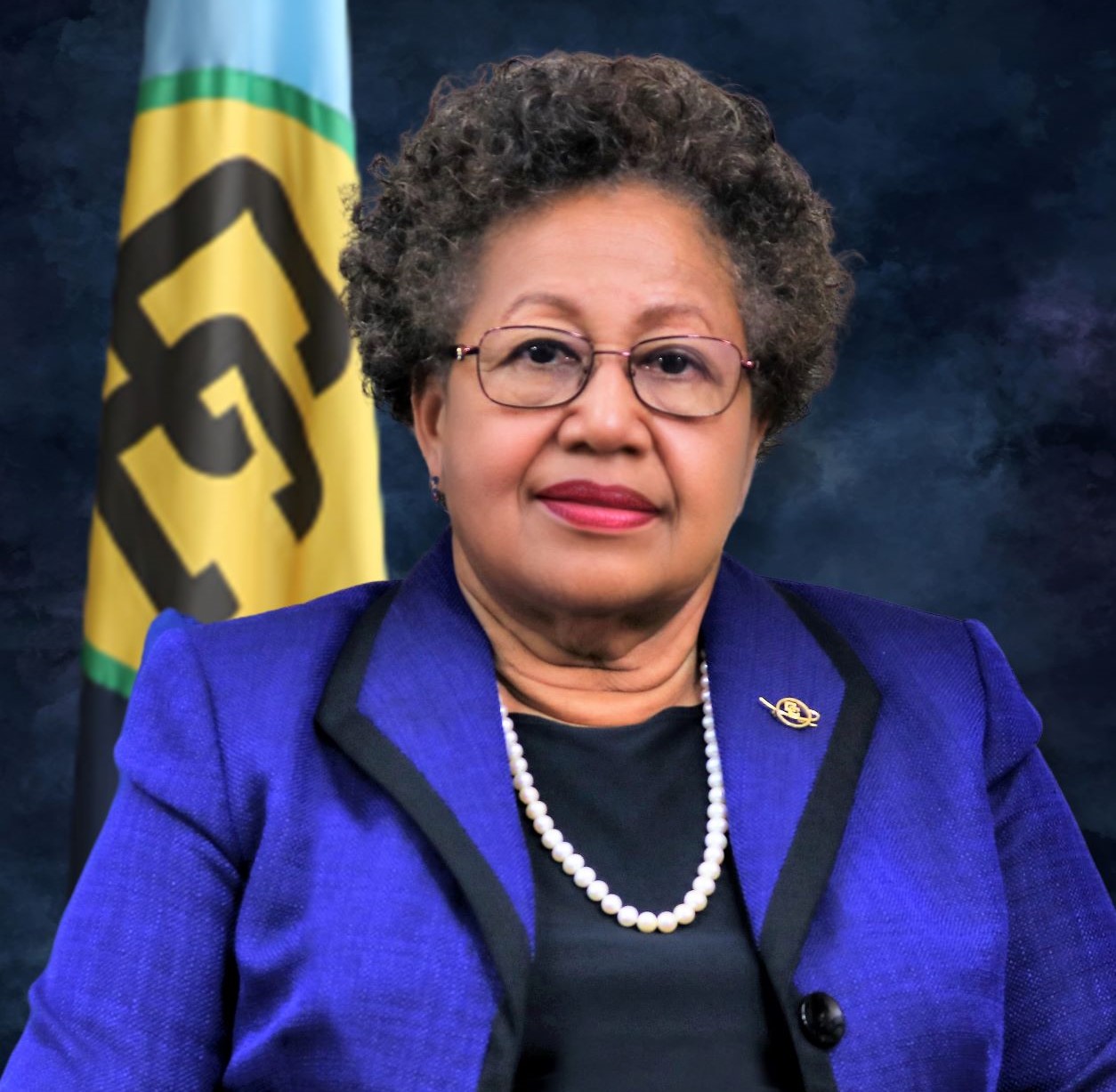
Mensaje de fin de año de la Secretaria General de la Comunidad del Caribe (CARICOM), Dra. Carla N. Barnett
We have come to the end of another year during which strenuous efforts have been made to ensure that the integration process improves the lives of the people of the Caribbean C
La CSME, la seguridad alimentaria y la financiación climática encabezan la agenda de la Cumbre de CARICOM en las Bahamas.
The CARICOM Single Market and Economy (CSME); food security; climate change and climate finance; health; and security will be among the major topics when Heads of Government of
La CSME, la seguridad alimentaria y la financiación climática encabezan la agenda de la Cumbre de CARICOM en las Bahamas.
The CARICOM Single Market and Economy (CSME); food security; climate change and climate finance; health; and security will be among the major topics when Heads of Government ofRelated Stories
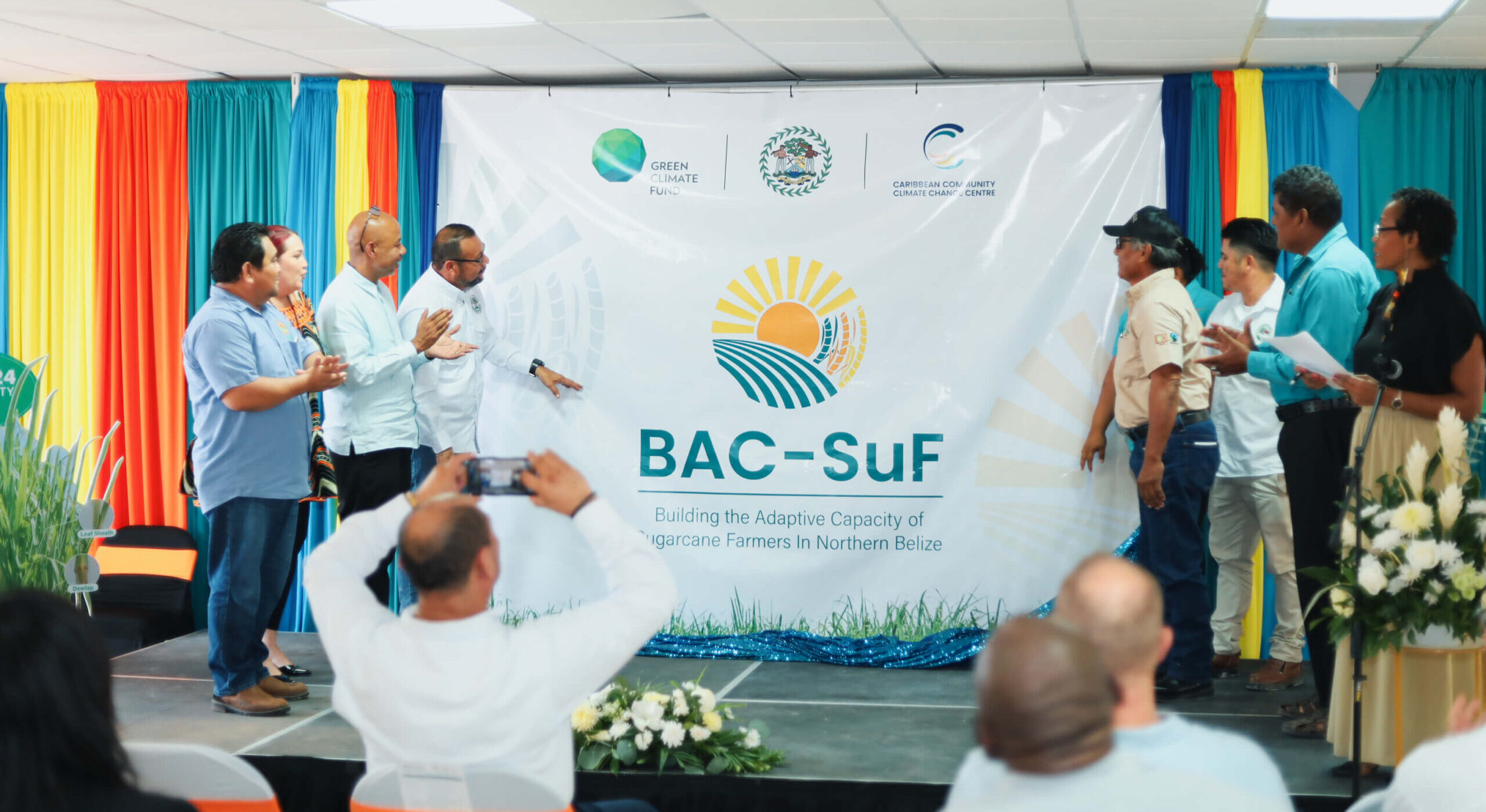
CCCCC, Belize Launch BZD$77M Project to Build Climate Resilience in Sugarcane Industry
The Caribbean Community Climate Change Centre (CCCCC) in partnership with the Government of Belize, and key industry stakeholders, officially launched the 'Building the Adaptiv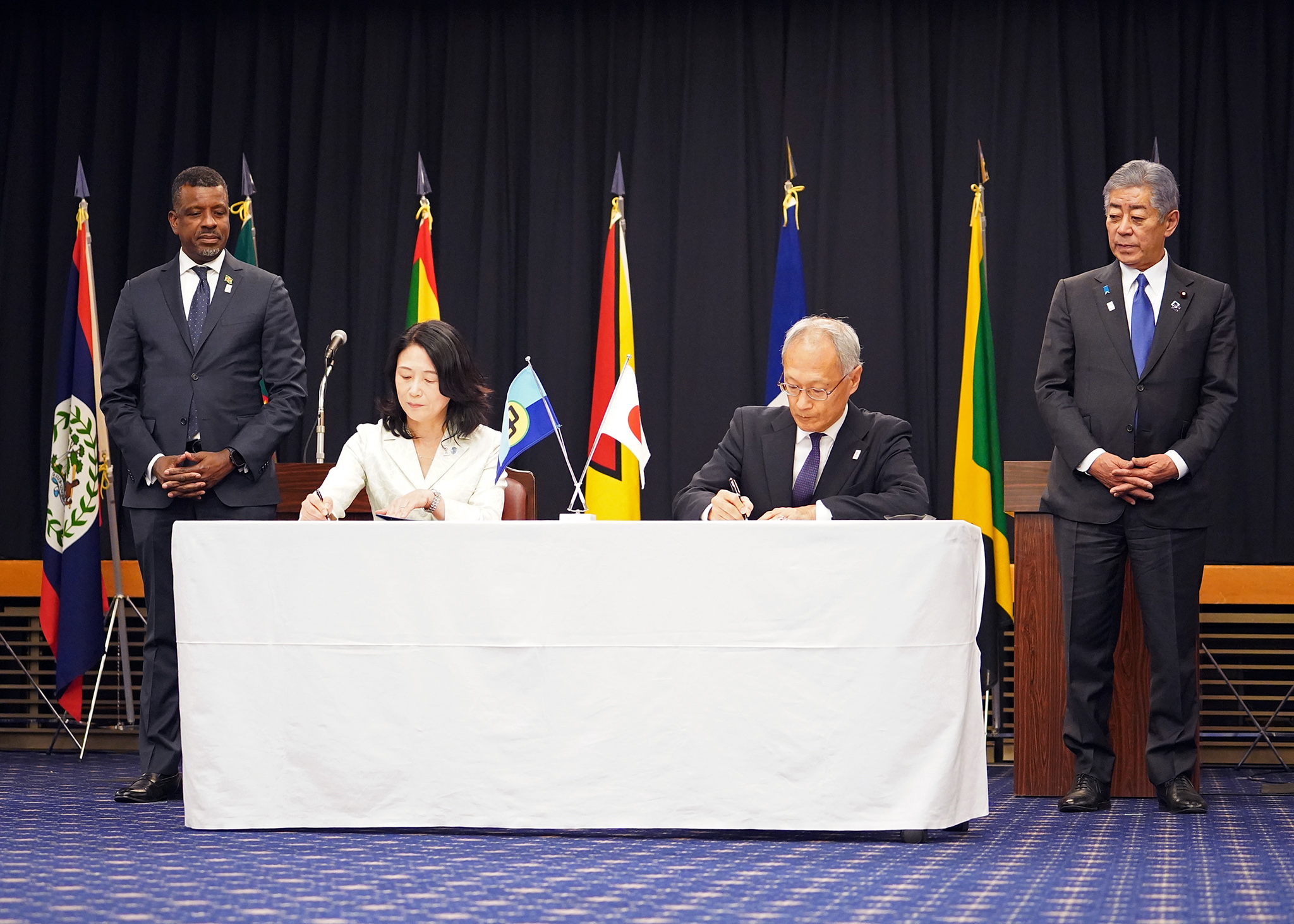
CARICOM industrial sector to benefit from Japan-funded grant aid
(Caribbean Community (CARICOM) Secretariat, Turkeyen, Greater Georgetown, Guyana) - Fourteen CARICOM Member States are expected to benefit from a Japa