
Haiti at the UN
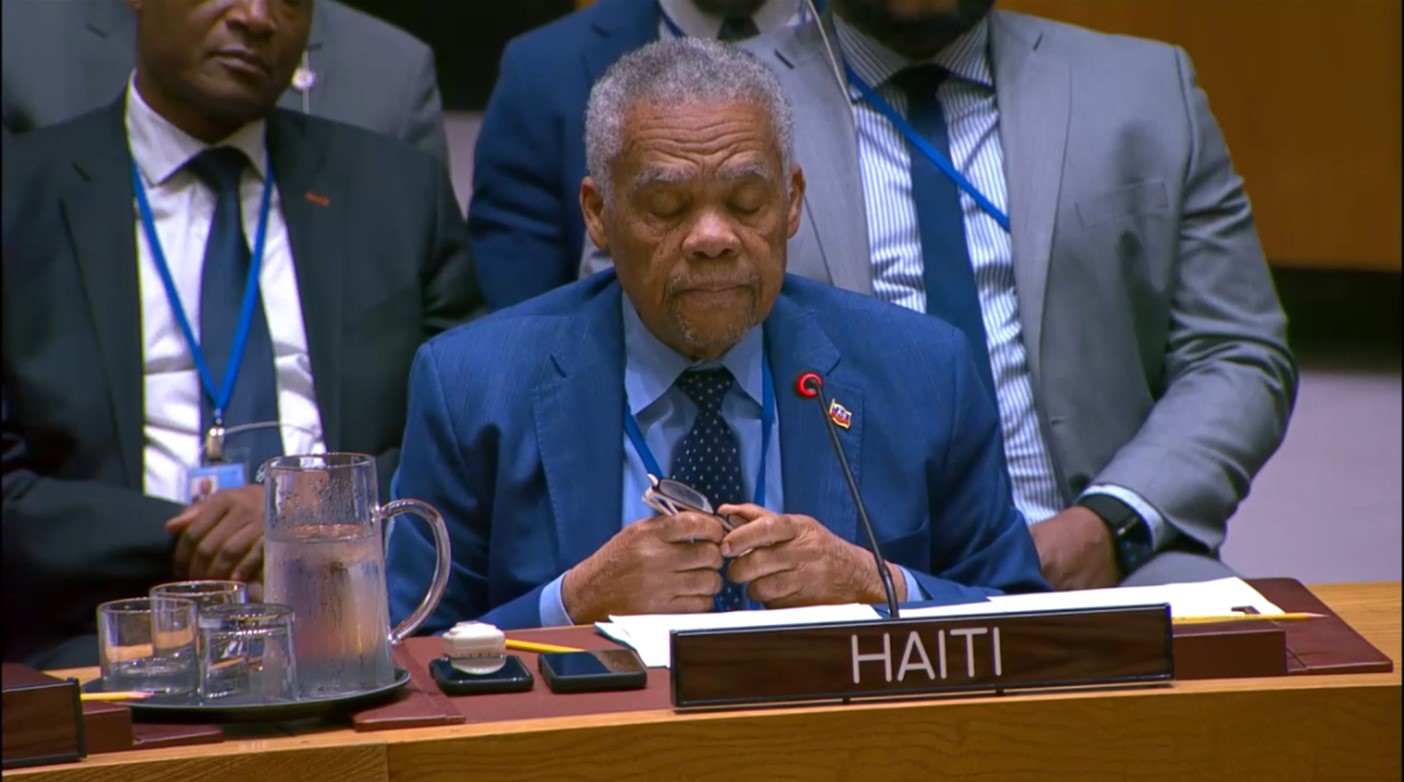
CARICOM member states have emerged as central voices at the United Nations in recent months, underscoring Haiti’s security and humanitarian needs during this time of difficulty.
CARICOM’s Role at the UN
On 30 September 2025, the UN Security Council authorized the transition of the Multinational Security Support mission into a Gang Suppression Force (GSF), backed by a new UN Support Office in Haiti. CARICOM representatives, including Barbados’ Permanent Representative François Jackman, spoke forcefully in favor of the resolution, stressing the need for sustainable resourcing and predictable international support to aid Haiti during this time. CARICOM’s interventions highlighted that gang violence is not only a Haitian crisis but a regional threat, with implications for migration, trade, and security across the Caribbean basin.
CARICOM member states have consistently used their UN platforms to advocate for Haitian-led solutions, called for humanitarian funding, and linked Haiti’s crisis to broader UN priorities to better support Haiti during this time.
Haiti Matters both in CARICOM and the broader multilateral system.
Haiti holds a unique place in CARICOM: it is the first post-slavery republic in the Americas and a state who has advocated for Caribbean states throughout its history. Haiti’s instability reverberates across the region.
Democratic Renewal: The GSF is seen as a first step toward creating conditions for credible elections and rebuilding institutions.
- Humanitarian Imperative: Haiti’s crisis—marked by kidnappings, gender-based violence, and economic collapse—demands urgent collective action.
Global Symbolism: Haiti’s struggle embodies the challenges of fragile states in the international system. CARICOM’s advocacy positions the Caribbean as a bridge-builder between small states and major powers, reinforcing the UN’s legitimacy.
Conclusion
CARICOM’s activism at the UN demonstrates how regional organizations can amplify the voices of states and shape global responses to crises. Aiding Haiti during this time underscores that Caribbean security and prosperity are inseparable from Haiti’s recovery. For the wider world, however, Haiti serves as a test case: can multilateralism deliver needed support to a vulnerable state? For Haiti and the future of the UN, it must.