Charter of Civil Society
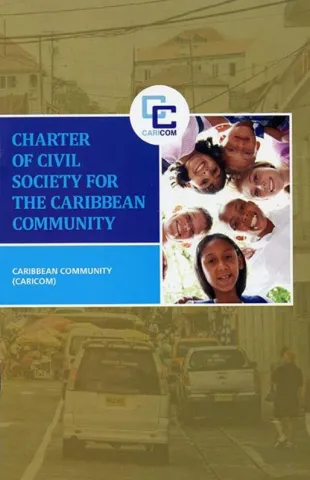
Adopted in 1997, the Charter of Civil Society articulates the shared values, principles, and standards that underpin the Caribbean Community. Emerging from the recommendations of the West Indian Commission’s Time for Action report, the Charter provides the normative foundation for regional integration, governance, and civic life within CARICOM.
The Charter affirms a comprehensive framework of human rights, democratic governance, and social justice, encompassing fundamental freedoms, equality before the law, political participation, access to information, cultural and religious diversity, and accountability in public affairs. It recognises the rights of women, children, Indigenous Peoples, persons with disabilities, workers, and families, while promoting access to education, health, and meaningful participation in the regional economy.
As a unifying moral and legal reference point, the Charter seeks to strengthen democratic institutions, promote good governance, and foster a sense of shared identity and loyalty among the peoples of the Caribbean Community.