COVID-19 Highlights Caribbean Community’s Need to Build Resilience
As all CARICOM Member States and Associate States now have confirmed COVID-19 cases and, as predictions indicate that cases will continue to rise globally, humanity’s vulnerability and that of the systems we utilise, are again being highlighted. When we think of resilience in the Caribbean Community, we tend to think of the natural hazards we often face: tropical storms and hurricanes, earthquakes and threats of volcanic eruptions; indeed, the Caribbean is often referred to as the second most disaster-prone area, in the world. But no one in this generation has faced vulnerability and risk in the way we are currently, with a health pandemic of this order and magnitude. This time, we are not able to rely on the knowledge of our elders who often mention Hurricanes Janet and Gilbert as life changing experiences. This experience is entirely different, though it may be exasperated by the swift approaching hurricane season.

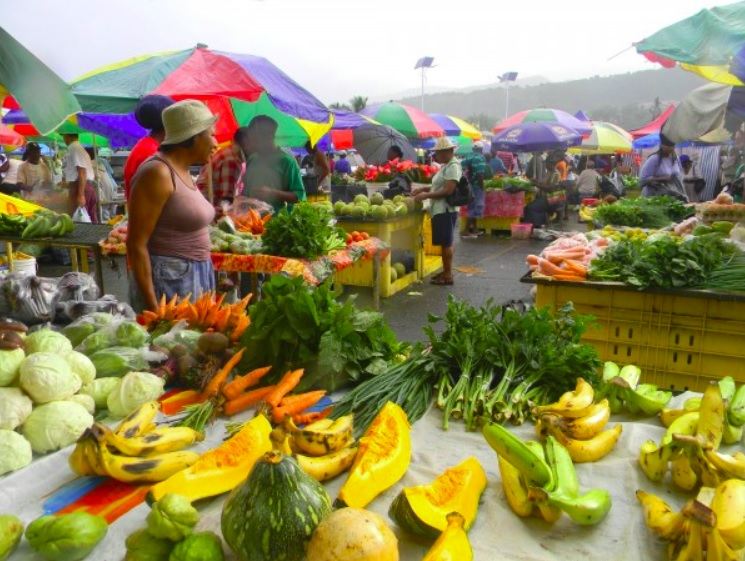
Many Caribbean borders have closed to visitors, and in some cases even nationals have been refused re-entry. COVID-19 is a grave concern for Caribbean governments and citizens, with rightful cause. Supply and logistics chains have so far been minimally affected by the pandemic (with the exception of some medical equipment being confiscated), and regional borders remain open to trade. Can we envision a region where trade is significantly compromised? This is not far-fetched, as we cannot assume that trade will remain unaffected if international restrictions persist. The impacts of trade constraints on our region, so highly dependent on imported food, fuel and supplies, would be disastrous. CARICOM countries who can produce food and energy to supply the needs of its people, should do so now.
Trade matters aside, COVID-19 presents a very real concern for the
Caribbean’s energy sector. This becomes crucial when we consider that
energy demands have changed with the advent of the crisis and, they will
continue to change in unpredictable and unprecedented ways. Currently,
commercial and industrial energy use are reduced as many businesses are
closed or have reduced operations but, use at the household level has
increased due to government mandates to stay at home. Utilities will
therefore have to adapt to these changes since the amount of energy
being consumed and the pattern of its consumption have changed
considerably. If energy generation capabilities exceed the demand,
utilities may also consider running the powerplant at a reduced
capacity, with possible negative financial implications and impacts on
the quality of service provided. Importantly, as energy intersects with
health, the ability to reliably power essential medical equipment – like
ventilators – becomes critical.
Significant shifts in oil prices have also been predicted and are
already emerging. Globally, there has been a steep decline in oil
prices, due to decreased demand. These dynamics do not augur well for
our Member States who have recently found large deposits of oil.
Conversely, an increase in prices is expected when the crisis recedes
and commerce and industry are able to function in earnest again. In
anticipation of this, the Caribbean Community needs to be prepared and
use this time to ramp-up renewable energy and energy efficiency
capacity, where possible. The timing is right, as most CARICOM Member
States desire an energy transition to achieve energy security.
Householders can also prepare by reducing consumption now, as much
as they are able. Pay attention to your electricity bill, track your
usage and unplug appliances and devices when they aren’t in use. Amidst
the hundreds of thousands who are now unemployed due to COVID-19, a
spike in household electricity bills and other energy-related costs to
be met by the most vulnerable can have an untold impact. Though high
unemployment rates have incredible impacts on economies, businesses and
households, these unemployed individuals do now have the option of
learning new skills, to place them at an increased advantage when the
crisis has passed.
In 2008 when oil prices rose above US140 per barrel, the region’s
thrust toward renewable energy peaked. Subsequently, our renewable
energy targets became very ambitious. Let us not wait until our backs
are against the wall again, to see the necessity of energy resilience
and self-sufficiency. We need to implement energy efficiency and
renewable energy measures now throughout our operations, particularly in
high-energy use sectors such as tourism. Tourism industries can benefit
from sustainable operations as they seek to rebuild the tourism product
during this period of inactivity.
Renewable energy and energy efficiency can provide tremendous
benefits to Caribbean territories by minimizing costs and improving our
environment. We can accomplish this and more with the long-term view of
transforming the energy sector, for the benefit of Caribbean people. We
can appreciate, it is not business as usual.
Related Stories
Feasibility and Benefits of a Transition to Mercury-free Lighting in CARICOM
In the lead up to #MinamataCOP4, the Caribbean Community (CARICOM) Secretariat and the Clean Lighting Coalition are hosting a virtual conversation to highlight the feasibility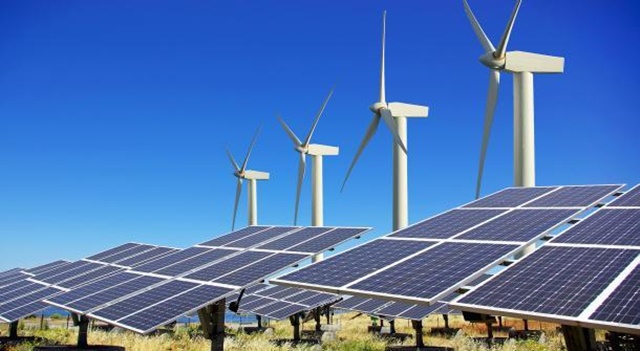
Virtual Panel Discussion to launch CARICOM Energy Month
Friday, 30 October 2020 | Bridgetown, Barbados - The fifth observance of CARICOM Energy Month (CEM) will be launched on 2 November under the t