Risk of Coronavirus in Caribbean ‘low’ says CARPHA
Port of Spain, Trinidad and Tobago – As at 9th
January 2020, the World Health Organization (WHO) reported that a 2019
novel Coronavirus (2019-nCoV) was identified by Chinese authorities.
The virus was first identified in Wuhan, Hubei Province, China.
Executive Director of CARPHA, Dr. Joy St. John said “Presently, there
have been no confirmed cases or reports of the 2019-nCoV in the
Caribbean region and based on current information, the immediate health
risk from this virus to the general public remains low.
CARPHA is monitoring developments and working closely with its
international health partners to respond to this health threat and
provide timely advice and support to the preparedness activities of
Caribbean Member States.”

What is the Coronavirus?
Coronaviruses are a large family of viruses that cause illness ranging from the common cold to more severe diseases such as Middle East Respiratory Syndrome (MERS-CoV) and Severe Acute Respiratory Syndrome (SARS-CoV).
Common signs of infection include respiratory symptoms, fever, cough, shortness of breath and breathing difficulties.
In more severe cases, infection can cause pneumonia, severe acute
respiratory syndrome, kidney failure and even death. This 2019-nCoV
virus is a new strain of coronavirus that has not been previously
identified in humans.
According to WHO, there have been more than 300 cases reported
globally, as at 21st January. However, late on 22nd January, the Chinese
National Health Committee reported more than 571 confirmed cases of
patients with pneumonia and 17 fatalities caused by the 2019-nCoV.
Imported cases have been reported by other countries including
Thailand, Republic of Korea and the United States of America (USA).
Following this and in light of the recently confirmed case of the virus
in the USA, CARPHA has issued advice to Health Authorities on measures
to reduce the risk of importation of the disease to the Caribbean
region, as well as advice to Caribbean travelers in the affected area in
China.
“CARPHA is aware that this is an early stage of the outbreak and is
awaiting clarity on the characterisation of the behaviour of the virus,
including severity of the infection, and the level of transmissibility.
Therefore, out of an abundance of caution, CARPHA is recommending that Member States be proactive and vigilant.
They must reinforce surveillance measures at points of entry,
communication strategies which emphasize good hand hygiene, and measures
targeted at reducing the importation of this new virus to our shores,
stated Dr. St John.
On 23 January, news out of China indicates that travel in and out of
the Wuhan City has been restricted by Chinese officials in an effort to
curtail further spread of the disease.
Currently, there are no restrictions on international travel and no
special precautions travellers need to take when travelling to the
Caribbean since there have been no reported cases of 2019-nCoV in the
Caribbean. Travellers are thus advised to:
- Stay informed about the 2019-nCoV situation in any countries to which they are travelling.
- Practice general infection control measures, such as frequent hand
washing with soap and water or an alcohol-based hand sanitizer. As with
any other novel and imported disease, 2019-nCoV is causing heightened
concern in the Region.
CARPHA is committed to supporting its Member States in refining
existing influenza preparedness plans, refreshing training of health
care works in universal precautions and the use of necessary personal
protective equipment (PPE), and implementing measures to protect the
most vulnerable in our populations from developing the disease.
In the event that there is a suspected imported case of 2019-nCoV in
the Region, CARPHA has already made arrangements with partner public
health agencies for testing within the next three weeks, while we await
delivery of necessary supplies.
Related Stories

CARPHA: The Decision to Impose Travel Entry Requirements Belongs to the National Authorities
Port of Spain, Trinidad and Tobago.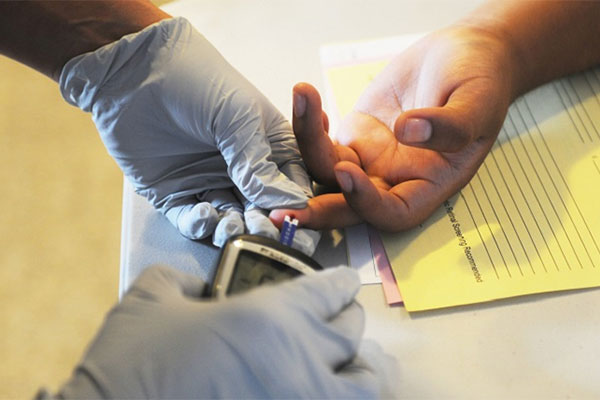
World Diabetes Day 2021
“Diabetes causes death and disability. Complications from diabetes can lead to heart attack, stroke, blindness, kidney failure and lower limb amputation. This