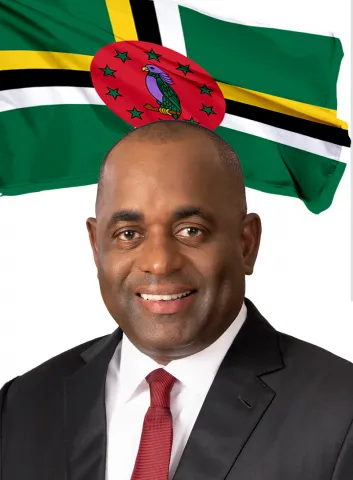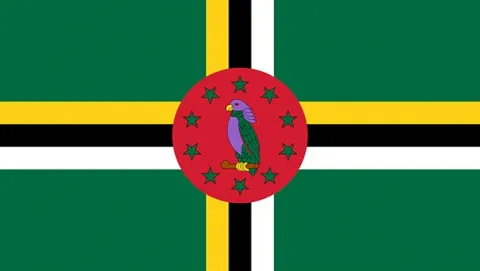
dominica flag
Dominica
Key facts
Date of Membership in CARICOM: 1 May 1974
Also Known as:Nature Island of the Caribbean
Status of Independence:Independent 1978/11/03
Area: 750 km2 (290 miles2)
Capital City: Roseau
Population: 71,898 (2009)
Currency: Eastern Caribbean Dollar
Highest National Award: Sisserou Award of Honour
Economy
GDP: EC$771.0 Mn (2004)
GDP Growth: –0.5% p.a. 2009–13
GNI: US$493m
GNI PC: US$6,760
GDP per Capita: EC$11,045 (2004)
Key dates in history
1493 Arrival of Columbus on island called Wai’tukubuli’ (tall is her body) by Caribs and Arawaks. Named Dominica Spanish translation of Sunday (Domingo)- the day Columbus first sighted the island
1660 Agreement between Britain and France to leave island to the Caribs
1783 Finally ceded to Britain following numerous exchanges between Britain and France
1871 Incorporated into Leeward Islands Federation
1939 Transferred from Leeward to Windward Islands Federation
1967 Associated Statehood with Britain (full internal self-government) within the West Indies Associated States (WISA) Edward Oliver Lablanc, first Premier
1978 Independent Republic within the Commonwealth. Patrick John, first Prime Minister