
CDEMA to conduct post Hurricane Joaquin training in The Bahamas
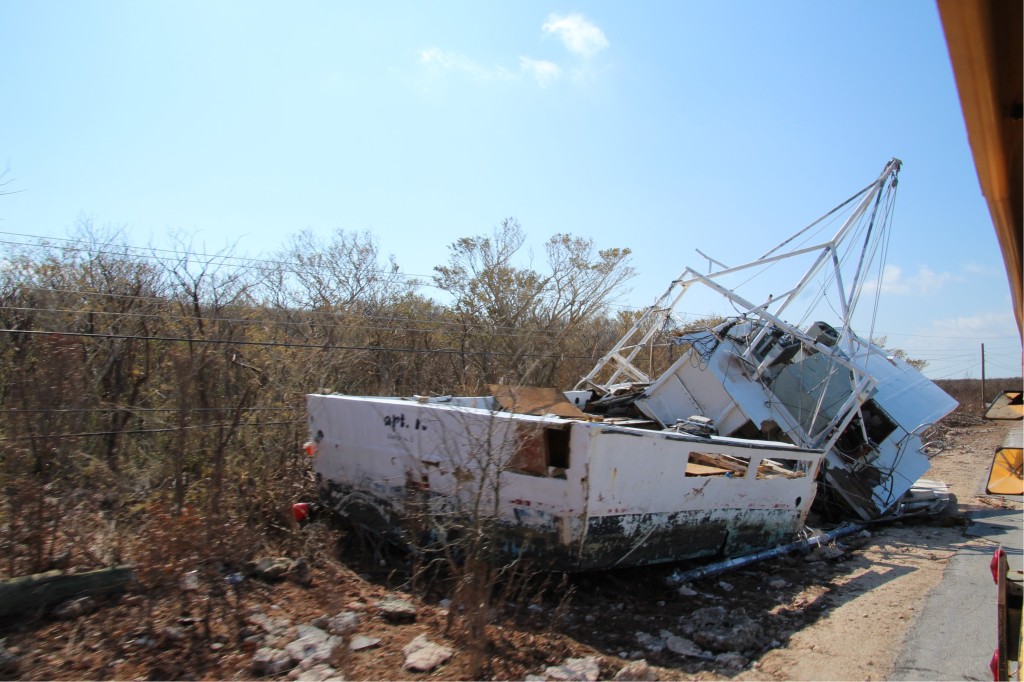
BRIDGETOWN, Barbados, Jan. 11, CMC – The Caribbean Disaster Emergency (CDEMA) will conduct a three day training course in The Bahamas to strengthen the capacity of the National Coordination Systems.
Twenty-eight technical personnel from the Bahamas National Disaster Management System will benefit from the course being done in collaboration with the National Emergency Management (NEMA) .
The training, to be held at the NEMA offices from January 12th to 15th will seek to improve the country’s National Disaster Management System by building the capacity of trained persons to execute Damage Assessment and Needs Analysis (DANA).
“The DANA process provides a systematic approach for conducting damage assessment and determining needs in an effective and timely manner in order to positively influence response and recovery actions in an impacted State,” said a release from CDEMA on Monday.
On September 30th, Hurricane Joaquin became the tenth named hurricane of the 2015 Atlantic Hurricane Season, which affected the southern and central islands of The Bahamas with maximum sustained winds near 125 mph .
The Islands of the Bahamas primarily impacted were those to the South, including Acklins Island, Crooked Island and Long Island.
The CDEMA deployed three Rapid Damage and Needs Assessment Teams (RNATs) in response to a request from the National Emergency Management Agency in The Bahamas following the passage of Hurricane.
“One of the key observations following the deployment of the RNATs by CDEMA was the need for a strengthened DANA process functioning at the local levels in The Bahamas,” said Joanne Persad, Programme Manager, Preparedness and Response at the CDEMA.
She said a strong DANA system is important for the early identification of needs to the impacted population and early quantification of damage. This also facilitates the estimation of the potential cost of recovery.”
In addition to the training in DANA, the CDEMA will also conduct an After Action Review as part of the process of response operations to identify strengths, weaknesses and areas of improvement.
The primary goal of an After Action Review is to improve preparedness and response following the impact of a hazard, by examining the actions taken before, during and after the impact.
Related Stories

CSME, food security, climate finance top agenda of CARICOM Summit in The Bahamas
The CARICOM Single Market and Economy (CSME); food security; climate change and climate finance; health; and security will be among the major topics when Heads of Government of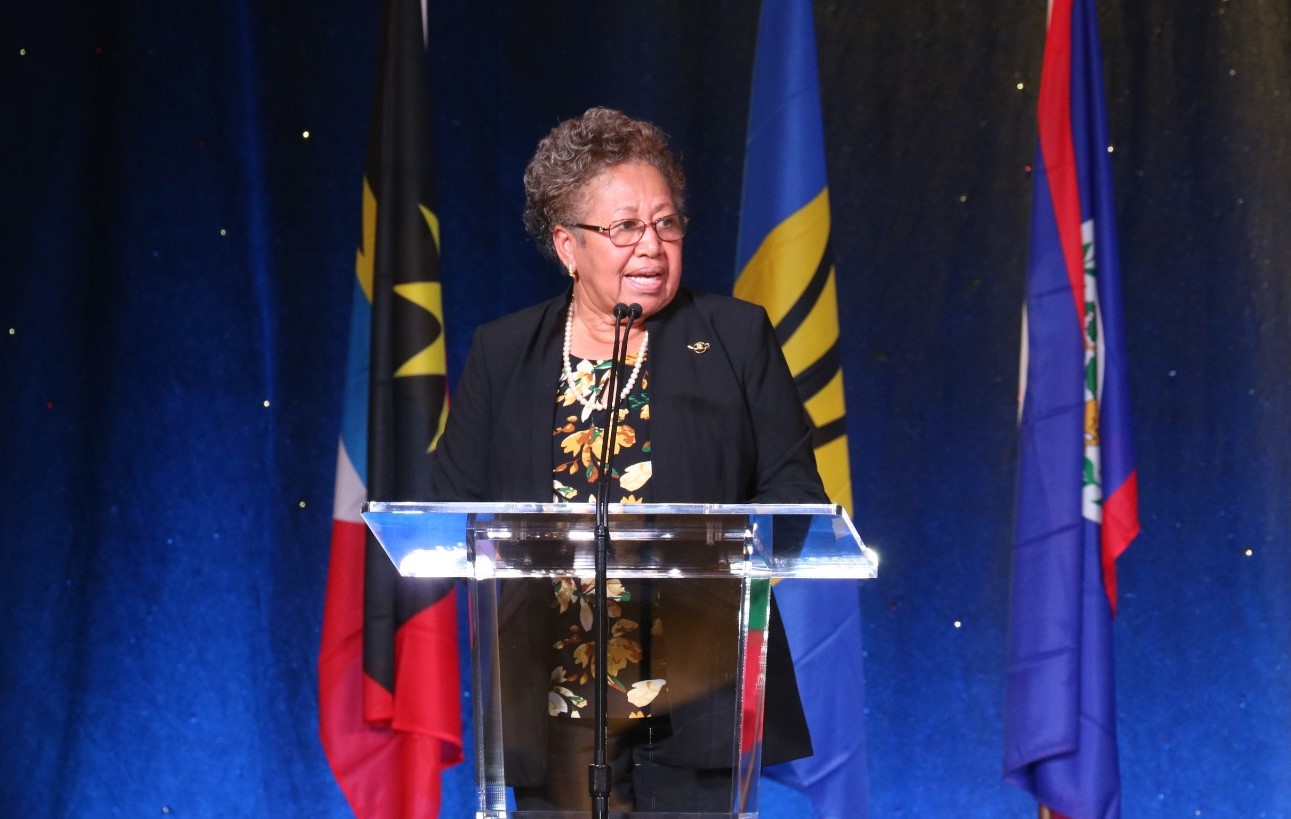
Remarks by Dr. Carla N. Barnett, Secretary-General of the Caribbean Community, on the occasion of the Opening Ceremony of the Forty-Fourth Regular Meeting of the Conference of Heads of Government of the Caribbean Community, Nassau, The Bahamas, 15 February, 2023
Right Honourable Philip Davis, Prime Minister of the Commonwealth of The Bahamas; and Chairman of the Conference of Heads of Government of the Caribbean Community;