
New strain of Chikungunya in Brazil could spur North American outbreak
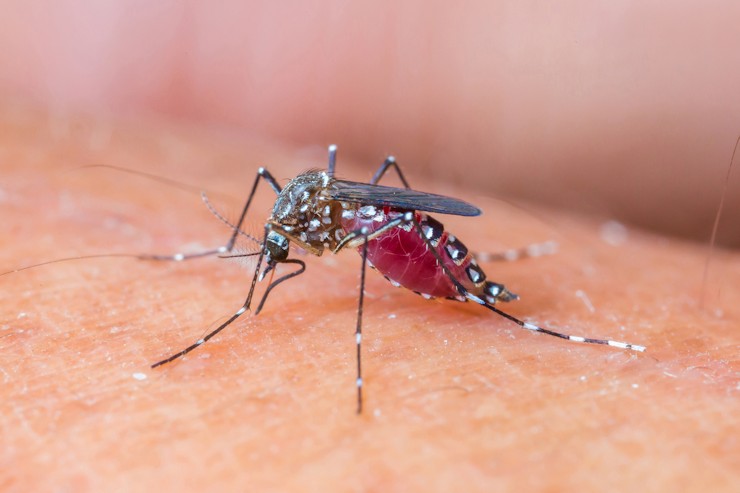
BAHIA, Brazil, Wednesday November 12, 2014 (AMG) — The Chikungunya outbreak which continues to affect thousands of Caribbean residents since it first appeared in St. Martin last year has been relatively self-limiting in the United States, due to the fact that the current strain only spreads through the Aedes egypti mosquito vector, which is uncommon on the US Eastern seaboard.
But recent diagnoses of a new viral strain in Brazil may turn the current hemispheric spread of the crippling disease on its head. The strain – which is prevalent in some African states and which has been the cause of several outbreaks in South-east Asian countries – readily infects the Aedes albopictus mosquito, a hardier species which is common along the US East Coast, and which is adapted to colder climates.
Brazil has recorded over 200 cases of Chikungunya – predominantly in the country’s east-coast Bahia state – but according to Kansas State University virologist Stephen Higgs, the African strain in Brazil has not yet developed the type of dangerous mutations observed in South-east Asia.
Such mutations could make the strain up to 100 times more infectious to mosquitoes, says Higgs, allowing the vectors to become more easily infected and pass the virus on to humans. The virus itself has been shown to develop rapid adaptive mutations, underscoring fears of eventual epidemic circulations of the new strain.
With the Brazilian summer beginning next month, increased rains may create more favourable breeding conditions for mosquitoes and facilitate the spread of the new strain, but local transmission of any imported cases in the US may be mitigated by the approaching winter months in North America.
Should the new strain become established in the United States, however, the significant spread of the Aedes albopictus poses risks for a US East Coast replay of the Caribbean’s current Chikungunya outbreak.
Resources: Chikungunya: An AMG backgrounder for non-specialists