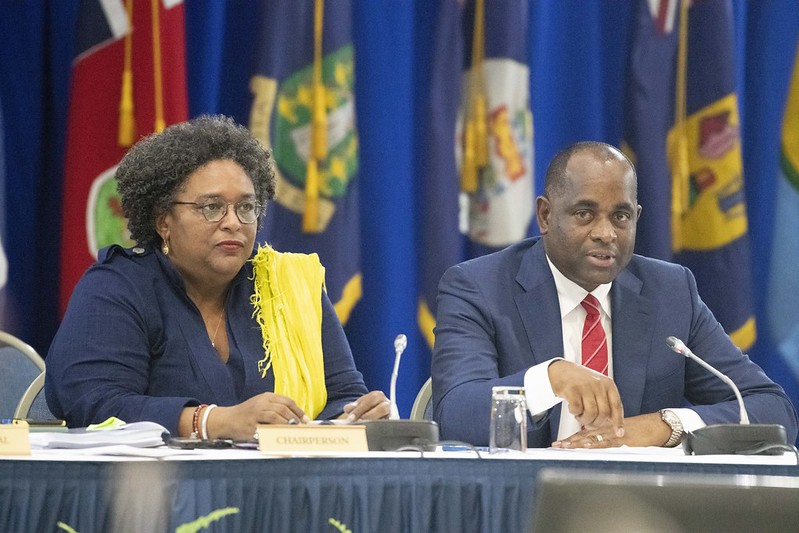
Blacklisting comes under microscope at Intersessional
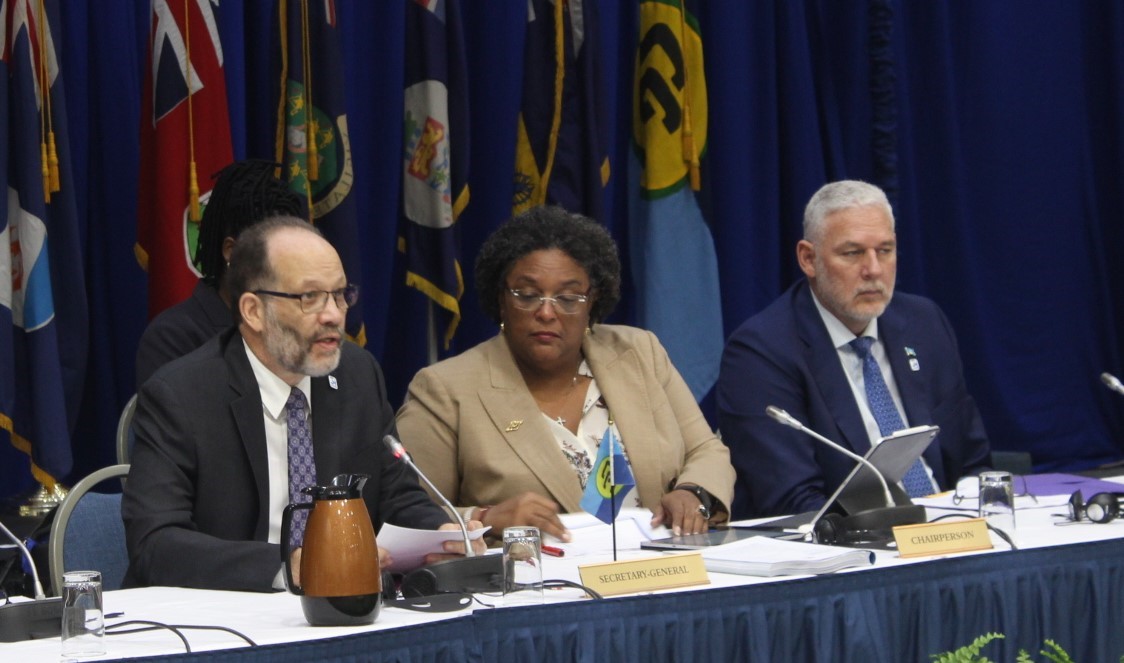
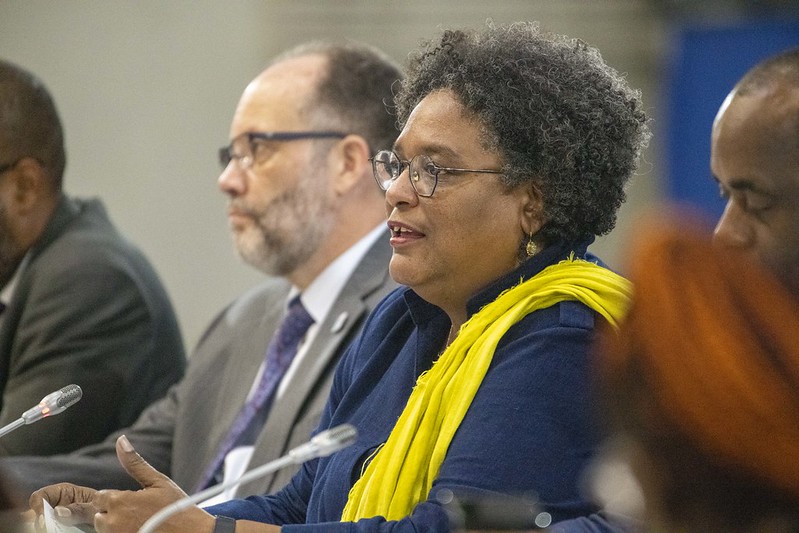
At the opening the 31st Intersessional Meeting, from left, CARICOM SG Amb. Irwin LaRocque, CARICOM Chair PM Mia Mottley of Barbados and Outgoing Chair, PM Allen Chastanet of Saint Lucia
The Caribbean Community (CARICOM)
continues to intensify its advocacy against the blacklisting of its
Member States by the European Union (EU). The EU has used its tax good
governance standard to label some Caribbean countries as non-cooperative
tax jurisdictions, despite the fact that the countries in question are
not designated as non-compliant by the relevant regulatory authorities,
such as the Financial Action Task Force and the OECD Global Forum.
Blacklisting influences strategies of international banks, and has
resulted in reputational damage, the crippling effects of de-risking and
ruptured correspondent banking relations that are crucial to the
Caribbean.
To place the situation in context, CARICOM Member States fall into the category of Small Island Developing and Low-Lying States (SIDS). Many of them are middle-income countries which cannot access concessional development financing. But, according to the International Monetary Fund (IMF) the countries so categorized exhibit extreme versions of long-term low growth, high debt, significant vulnerabilities and limited resilience to shocks which set them apart from other middle-income states. Some have unsustainable debt levels.
The move to blacklist Member States is also seen as an incursion on
their sovereignty and right to determine the economic and financial
pathways to development based on their peculiar circumstances.
Member States have also placed on record their frustration with the ‘shifting goal posts’. Even as Caribbean countries make adjustments to their tax regimes, the EU has signalled its intention to update the criteria from time to time.
Blacklisting is especially damaging to those Member States that also
face existential challenges posed by climate change which has resulted
in major natural disasters across the Region.
From Bucharest to Basseterre, Heads of Government, the CARICOM
Secretary-General and other Community spokespersons have been bringing
attention to the matter, seeking understanding and international
advocacy of governments on the Community’s behalf.
As they gather in Bridgetown for their 31st Intersessional Meeting, 18-19 February 2020, Heads of Government will have these issues foremost in their minds as they seek to chart viable, sustainable economic growth paths individually, and as a Community.
The Intersessional Meeting comes just three months after the Hon
Gaston Browne, Prime Minister of Antigua and Barbuda, led a team that
included the Hon. Allen Chastanet, Prime Minister of Saint Lucia to meet
representatives of the United States Congressional Financial Services
Committee – chaired by the Hon Representative Maxine Waters – and the US
Banking Sector at a Round Table interaction in Washington DC. Prime
Minister Browne chairs the Committee of Ministers of Finance on
De-risking and Blacklisting.
The “mutuality of interest” of the Caribbean and the US was
acknowledged during the Round Table. Prime Minister Browne argued that
the process of de-risking which has led to a withdrawal of relations by
some US banks from Caribbean banks, posed a serious threat to the
Region’s welfare, including its capacity to import goods from the US.
There was acknowledgement also that the impact of withdrawal of
correspondent banking relations was felt not only in financial terms,
but in the critical role it plays in global trade, investment and other
financial services.
Proposals from those talks are expected to be discussed among the
menu of measures to be agreed on to resist and remedy the situation.
You may also be interested in:
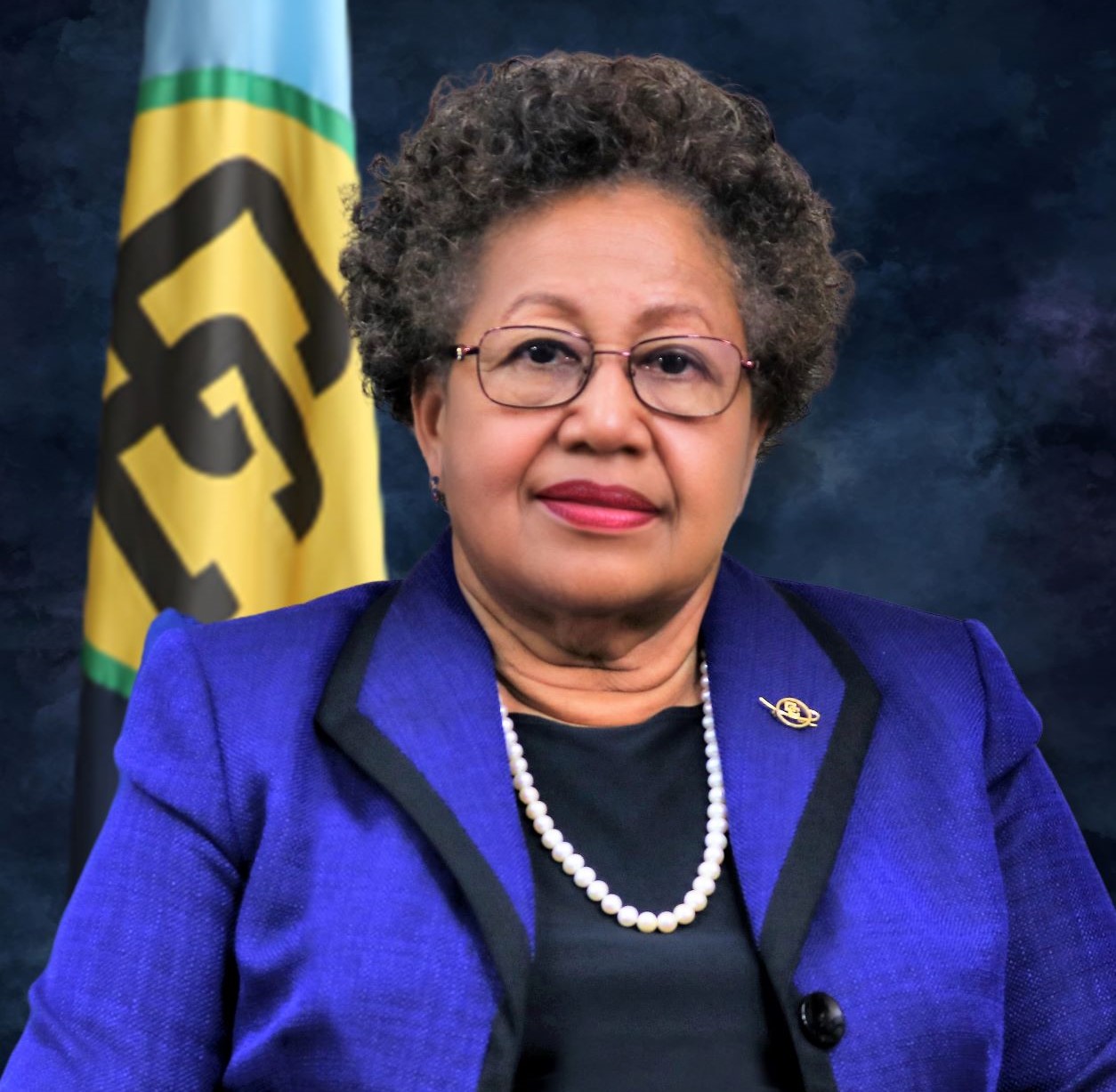
Mensaje de fin de año de la Secretaria General de la Comunidad del Caribe (CARICOM), Dra. Carla N. Barnett
We have come to the end of another year during which strenuous efforts have been made to ensure that the integration process improves the lives of the people of the Caribbean C
Mensaje de fin de año de la Secretaria General de la Comunidad del Caribe (CARICOM), Dra. Carla N. Barnett
We have come to the end of another year during which strenuous efforts have been made to ensure that the integration process improves the lives of the people of the Caribbean C
La CSME, la seguridad alimentaria y la financiación climática encabezan la agenda de la Cumbre de CARICOM en las Bahamas.
The CARICOM Single Market and Economy (CSME); food security; climate change and climate finance; health; and security will be among the major topics when Heads of Government ofRelated Stories
CARICOM to mount fact-finding mission to Haiti
Even though the situation in Haiti is complex and there are a number of views on the way forward, it cannot continue without the intervention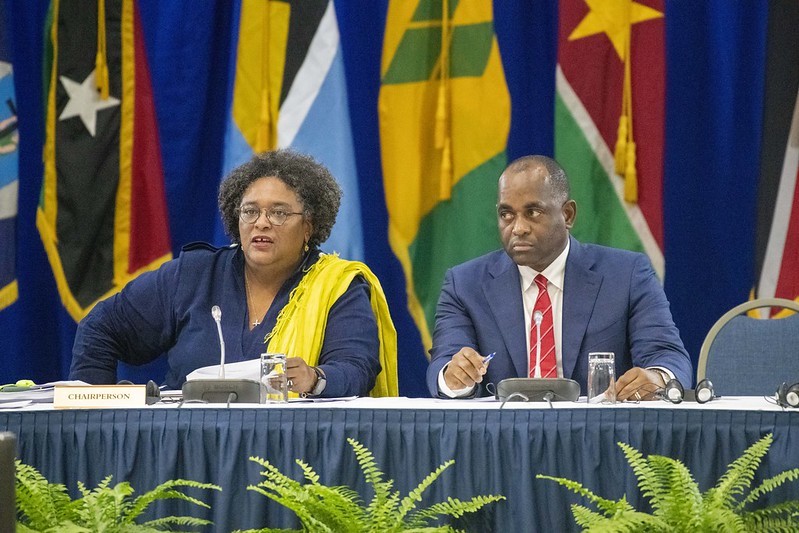
Multi-Disciplinary Summit Imminent To Address Unacceptable Crime, Violence in CARICOM
The Caribbean Community (CARICOM)