The CARICOM Security Mechanism – working assiduously to mitigate threats caused by the COVID-19 Pandemic
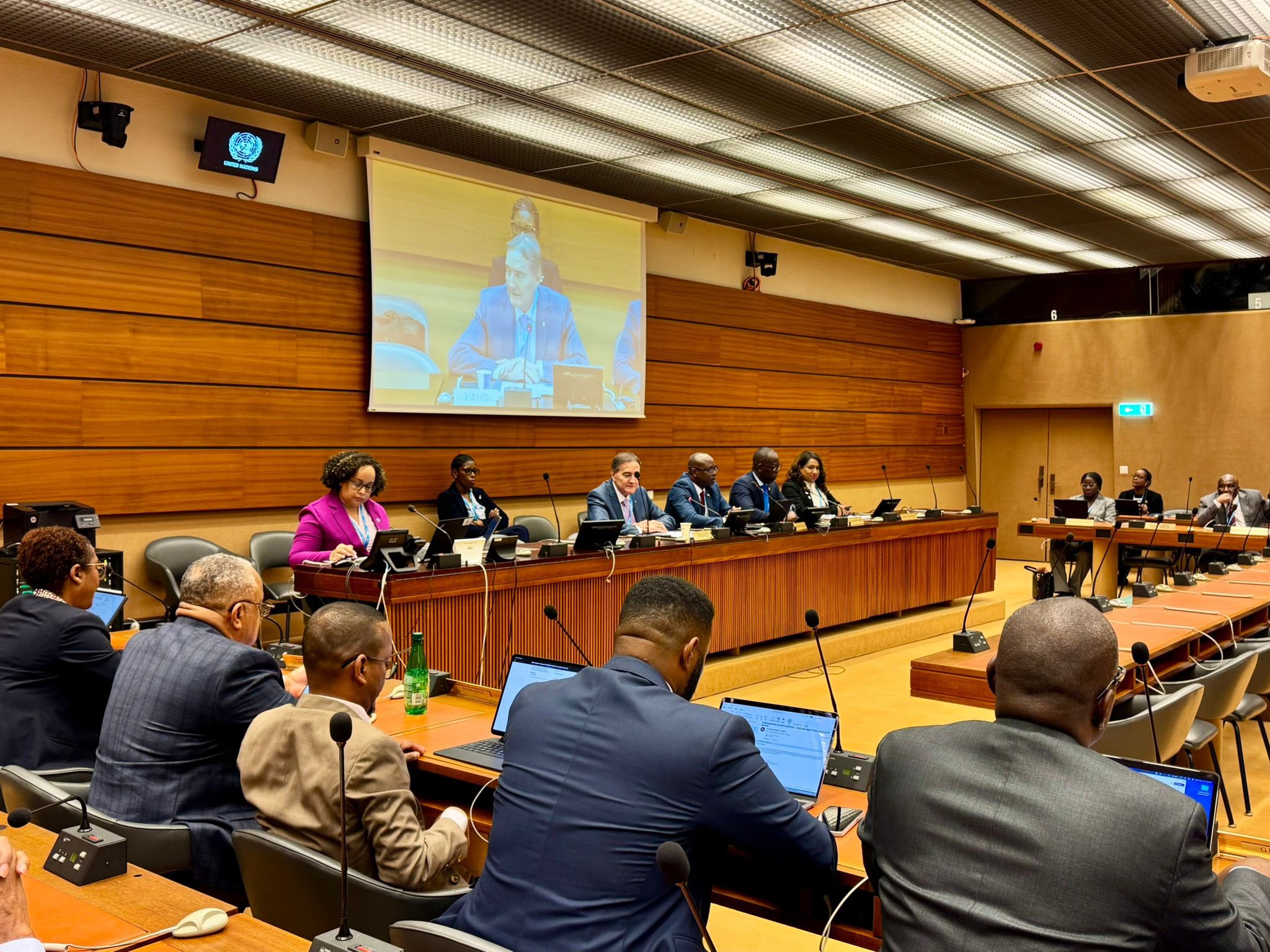
The Caribbean Community (CARICOM) Council for Security and Law Enforcement (CONSLE) met for an emergency meeting on 8 April 2020 to discuss matters of security, particularly those related to the COVID-19 pandemic and the upcoming hurricane season, the latter approximately six weeks away.
The Meeting was chaired by Senator the Hon. Dr. Winston Garraway, Minister of State in the Office of the Prime Minister and Ministry of Climate Resilience, the Environment, Forestry, Fisheries, Disaster Management and Information with responsibility for Disaster Management and Information. It was preceded by the Special Meeting of the CARICOM Operational Standing Committees held on 7 April 2020.
The virtual meeting was organized by the CARICOM Secretariat. The meeting discussed the current status of COVID-19 in the Caribbean as well as the implications for the region’s response to the hurricane season. To this end, discussions focused on the security outlook, concerns and challenges of those regional agencies on the frontline, and the importance of a collective approach that was effective and efficient.
In brief opening remarks, the chair noted that CARICOM has “developed the proper mechanisms, through coordination by the Security Cluster, to deal with dangers before they appear”.
The CARICOM Security Cluster comprises the CARICOM Implementing Agency for Crime and Security (CARICOM-MPACS), the Caribbean Public Health Agency (CARPHA), Caribbean Disaster Emergency Management Agency (CDEMA)and the Regional Security System (RSS).
Dr Garraway reiterated that the COVID-19 pandemic” was a serious threat to our very survival”, hence the need for an effective and efficient collaborative response.
“We need to engage each other to find the most effective and efficient way to mitigate this threat …. and to provide advice that will ultimately reassure our people that the institutions of the Region ….is working assiduously to mitigate all threats”
The meeting was attended by representatives of Ministries of Security, including at the ministerial level, Heads of Community Institutions, including CARICOM IMPACS, CARPHA, CDEMA and institutions which enjoy functional relations with CARICOM such as the RSS.
The Council for National Security and Law Enforcement (CONSLE) is responsible for the coordination of the Region’s multi-dimensional security agenda, to ensure a safe and stable Community.
You may also be interested in:

CARICOM Secretariat, IMPACS webinar focuses on ‘Youth as Agents for Change in Crime Prevention’
‘Youth as Agents for Change in Crime Prevention’ will be the focus of a webinar that the Caribbean Community (CARICOM) Secretariat and the CARICOM Implementation Agency for Crime and Security...
Nominations open for CARICOM Energy Awards 2025
Caribbean Community (CARICOM) Citizens and residents are invited to apply for or nominate a peer, mentor, or mentee for the CARICOM Women in Sustainable Energy Awards (WISE), and the Sustainable...
STATEMENT from the CARICOM Council for Foreign and Community Relations (COFCOR) | Israel's Seizure and Control of Gaza
The Council for Foreign and Community Relations (COFCOR) of the Caribbean Community remains deeply distressed by the escalating violence and humanitarian catastrophe in Gaza.Related Stories
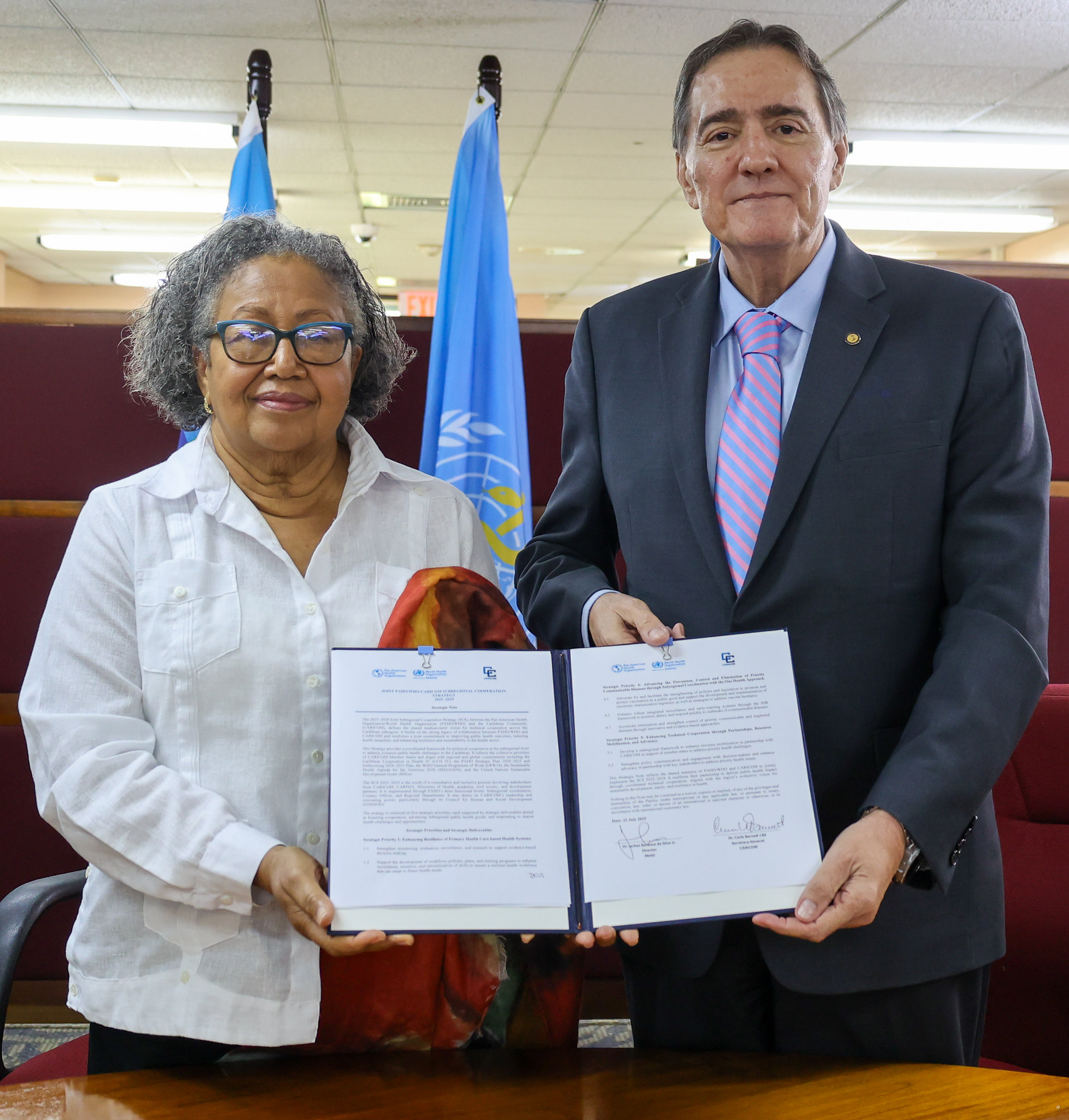
PAHO and CARICOM Sign Landmark Strategy to Strengthen Public Health in the Caribbean
“The [PAHO-CARICOM Joint Sub-regional Cooperation Strategy (JSCS) 2025-2029] is a continuation of a process. CARICOM has prioritised health outcomes for a long time, and this long-standing...
Strengthening Health Defences: How the Pandemic Agreement Benefits the Region
“We recognise that Small Island Developing States (SIDs) are usually somewhere on the back burner when it comes to meeting the needs of the population when such a global phenomenon strikes.