Strengthening Health Defences: How the Pandemic Agreement Benefits the Region

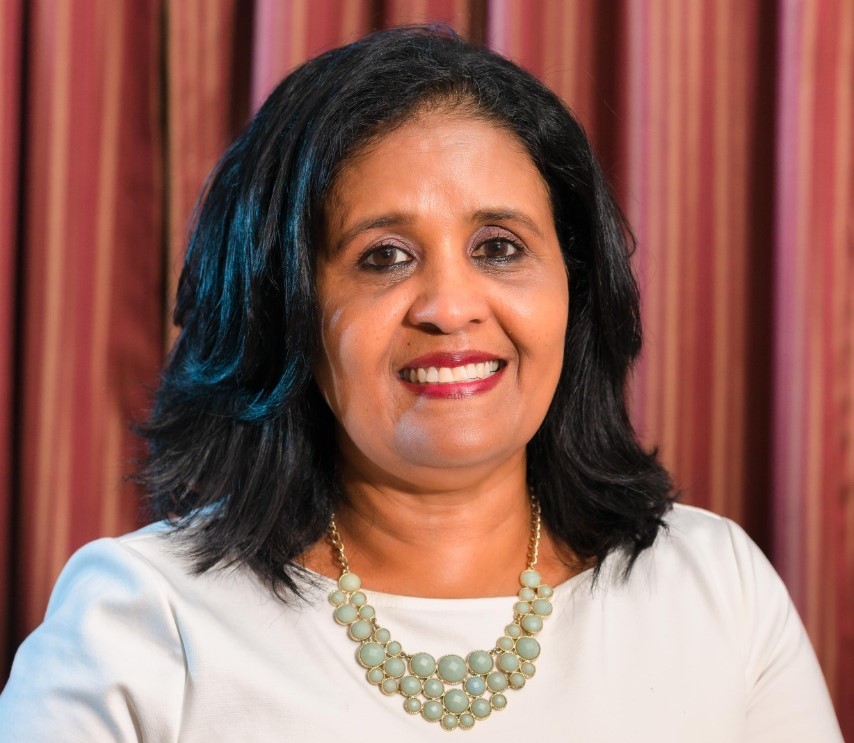
CARICOM’s Deputy Secretary-General, Dr Armstrong Alexis
“We recognise that Small Island Developing States (SIDs) are usually somewhere on the back burner when it comes to meeting the needs of the population when such a global phenomenon strikes. The Pandemic Agreement is designed to ensure that, irrespective of the size of your population, irrespective of the geographic location that you are part of, you are not going to be left behind.”
Dr Armstrong Alexis, Deputy Secretary-General, CARICOM
Following the formal adoption of the Pandemic Agreement by the World Health Assembly (WHA) in May 2025, discussions within the Caribbean Community have shifted to the next steps and the anticipated impact of the Agreement.
The Agreement outlines principles, approaches, and tools for enhanced international coordination across various areas, aiming to strengthen the global health architecture for pandemic prevention, preparedness, and response. This includes equitable and timely access to vaccines, therapeutics, and diagnostics.
CARICOM’s Deputy Secretary-General, Dr Armstrong Alexis, who led the CARICOM Secretariat’s delegation to the WHA, says the agreement is critical to the Community’s ability to provide for the needs of our population in the event of another pandemic.
“For us in the Caribbean, [the Pandemic Agreement] means a lot. Especially for anyone who takes a step back into 2021, or even in 2020, when this Region struggled to secure vaccines because of the COVID-19 pandemic.
We recognise that Small Island Developing States (SIDs) are usually somewhere on the back burner when it comes to meeting the needs of the population when such a global phenomenon strikes. The Pandemic Agreement is designed to ensure that irrespective of the size of your population, irrespective of the geographic location that you are part of, you are not going to be left behind or your needs would not be prioritised .... So for us as a Region, that agreement is critical to our ability to cater for the needs of our population, should there be another pandemic,” stated Dr Alexis.
The DSG provides further insight into the impact of the Agreement on the Region below.
What’s Next: Pathogen Access and Benefits Sharing System (PABS System)
Before the Agreement is open for signature, the critical next step includes negotiation of an annex to the Pandemic Agreement on the “WHO Pathogen Access and Benefit-Sharing System” or “PABS System” which will outline how countries will share pathogen samples and sequencing data along with the resulting benefits for vaccine and therapeutic development.
Dr Alexis believes these are vital aspects of the Agreement for safeguarding the Region’s health infrastructure during a pandemic.
He stated, “This is important. There is still a process to be followed. There [are] steps to go through before we are able to see the benefits of that Agreement; But there is also recognition that in order for it to be implementable, all those other aspects need to be put in place, and that is where the emphasis is going to be over the next year.”
Dr Alexis shares additional information on the importance of the Agreement to the Region below.
Editor’s Notes:
The resolution on the WHO Pandemic Agreement adopted by the World Health Assembly sets out steps to prepare for the accord’s implementation. It includes launching a process to draft and negotiate a Pathogen Access and Benefit Sharing system (PABS) through an Intergovernmental Working Group (IGWG). The result of this process will be considered at next year’s World Health Assembly.
Once the Assembly adopts the PABS annex, the WHO Pandemic Agreement will then be open for signature and consideration of ratification, including by national legislative bodies. After 60 ratifications, the Agreement will enter into force.
In addition, Member States also directed the IGWG to initiate steps to enable the establishment of the Coordinating Financial Mechanism for pandemic prevention, preparedness and response, and the Global Supply Chain and Logistics Network (GSCL) to “enhance, facilitate, and work to remove barriers and ensure equitable, timely, rapid, safe, and affordable access to pandemic-related health products for countries in need during public health emergencies of international concern, including pandemic emergencies, and for prevention of such emergencies."
Helpful links:
The Pandemic Agreement
https://apps.who.int/gb/ebwha/pdf_files/WHA78/A78_10-en.pdf
CARICOM Member States' statement reaffirming their commitment to strengthening pandemic prevention, preparedness, and response:
World Health Assembly adopts historic Pandemic Agreement to make the world more equitable and safer from future pandemics
You may also be interested in:
End of Year Message from the Secretary-General of the Caribbean Community (CARICOM) Dr Carla N Barnett
We have come to the end of another year during which strenuous efforts have been made to ensure that the integration process improves the lives of the people of the Caribbean C
CSME, food security, climate finance top agenda of CARICOM Summit in The Bahamas
The CARICOM Single Market and Economy (CSME); food security; climate change and climate finance; health; and security will be among the major topics when Heads of Government of
CARICOM Secretariat and Caribbean Agency for Justice Solutions (CAJS) Forge Partnership to Accelerate Digital Transformation
The CARICOM Secretariat (CCS) and the Caribbean Agency for Justice Solutions (CAJS) have come together in a significant partnership aimed at advancing digital transformation anRelated Stories

Statement from the Caribbean Immunization Technical Advisory Group (CITAG) on the stark decline in childhood immunization rates, worsened by the effects of the COVID-19 pandemic
The Caribbean Immunization Technical Advisory Group (CITAG) wishes to alert Caribbean Ministers of Health and Chief Medical Officers that routine childhood vaccination coverage
CARPHA: The Decision to Impose Travel Entry Requirements Belongs to the National Authorities
Port of Spain, Trinidad and Tobago.