GEF GRANT AGREEMENT FOR THE MAINSTREAMING ADAPTATION TO CLIMATE CHANGE PROJECT IN THE CARIBBEAN
The Executive Board of the World Bank on 17 April 2003, approved the Global Environment Fund (GEF) Grant Agreement for the Mainstreaming Adaptation to Climate Change (MACC) Project for the Caribbean. The MACC Project is the successor to the Caribbean Project for Adaptation to Climate Change (CPACC) that was successfully concluded on 31 December 2001.
MACC is a US $10.9m Project which will be financed by the Global Environment Facility ($5m); the participating Governments (in kind) to a value of 3.1m; the Government of Canada ($2m); and the Government of the United States of America through the National Oceanic and Atmospheric Administration, in kind, to a value of $0.8m.
The objective of the MACC Project is to create the capacity and the environment in the small island and low-lying coastal developing states in CARICOM to implement adaptation measures to minimise the adverse impact of climate change. The main elements of the project include expanding and strengthening the technical and information capacity to assess vulnerability and the risks associated with the global climate change to build the capacity to formulate adaptation policy options to reduce vulnerability; to support specific adaptation measures or (demonstration projects) and to encourage a regional position on adaptation and mainstreaming adaptation to climate change in national development planning and public and private sector development strategies.
The participating countries are Antigua and Barbuda, The Bahamas, Barbados, Belize, Dominica, Grenada, Guyana, Jamaica, St Kitts and Nevis, Saint Lucia, St Vincent and the Grenadines and Trinidad and Tobago. In order to be a participating country the Member State had to be a party to the UN Framework Convention on Climate Change and had to have submitted its first National Communication Report.
The Project will be executed by the World Bank and implemented by the Caribbean Community (CARICOM) Secretariat through a Project Implementation Unit (PIU) which will be located in Belize. Each participating state will have a National Implementation Coordination Unit (NICU) to work along with the regional PIU in ensuring the effective implementation of the Project.
The Grant Agreement was signed by Mr Edwin Carrington, Secretary-General of CARICOM and Mr. Daniel Wallace, Country Officer for Guyana on behalf of the World Bank, in Georgetown, Guyana, on 29 April 2003
You may also be interested in:
CSME, food security, climate finance top agenda of CARICOM Summit in The Bahamas
The CARICOM Single Market and Economy (CSME); food security; climate change and climate finance; health; and security will be among the major topics when Heads of Government of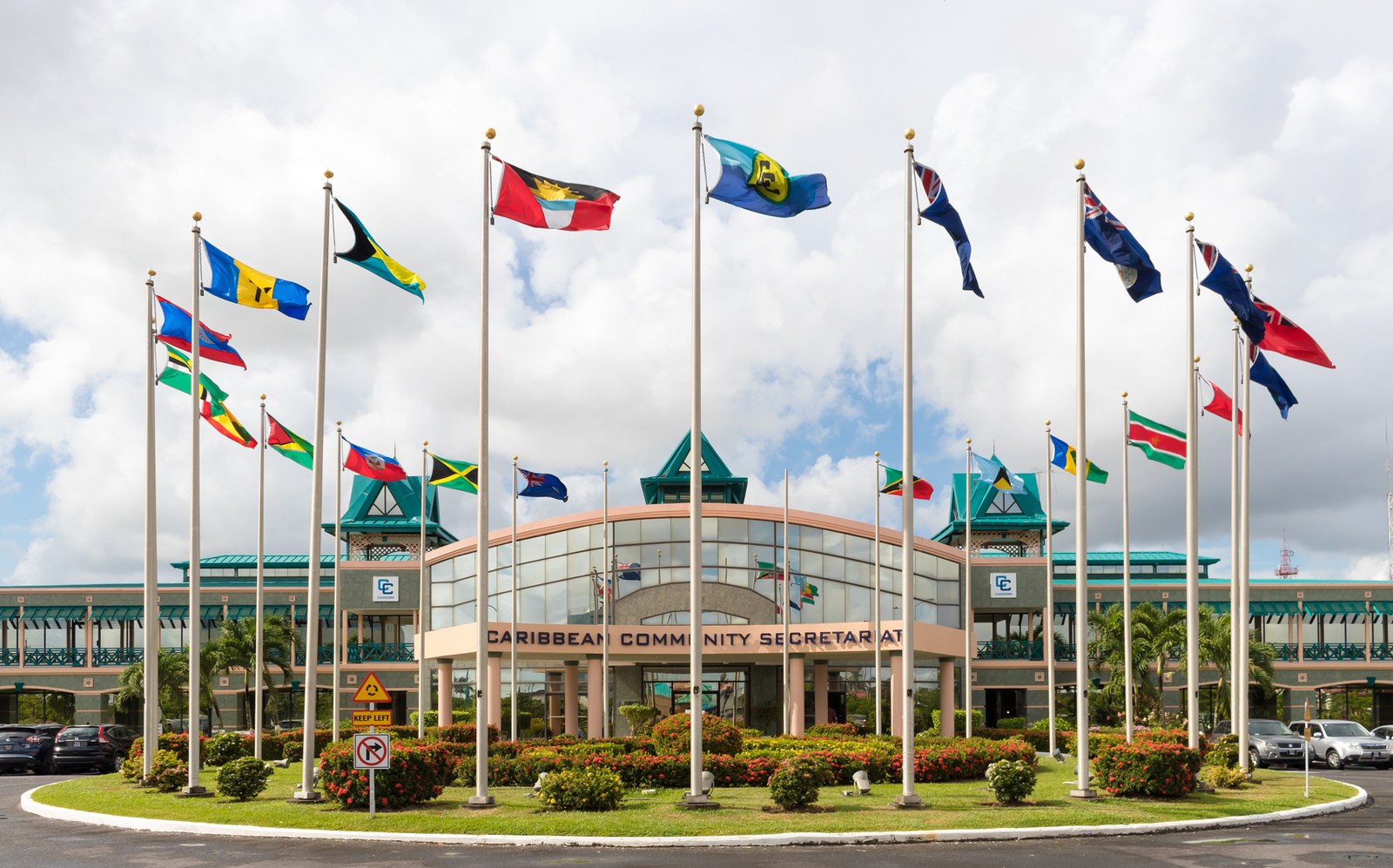
CARICOM Secretariat and Caribbean Agency for Justice Solutions (CAJS) Forge Partnership to Accelerate Digital Transformation
The CARICOM Secretariat (CCS) and the Caribbean Agency for Justice Solutions (CAJS) have come together in a significant partnership aimed at advancing digital transformation an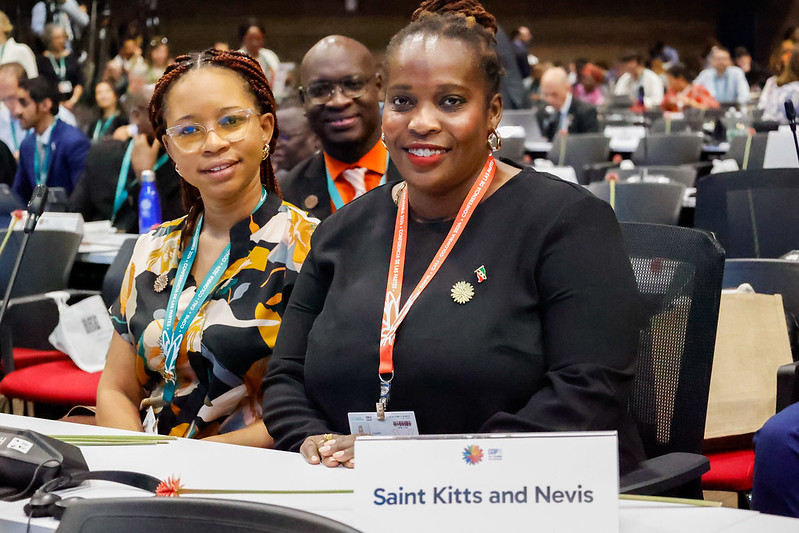
Related Stories
CARICOM Ministers see COP28 as a test of the world’s commitment to the most vulnerable
MINISTERIAL STATEMENT
Statement by Dr Carla N Barnett, Secretary-General of the Caribbean Community (CARICOM), following the 27th Conference of the Parties to the United Nations Framework Convention on Climate Change (COP27)
One week after the end of COP27, it is clear that the outcomes are mixed.