
Meeting on cost of fishing underway in Barbados
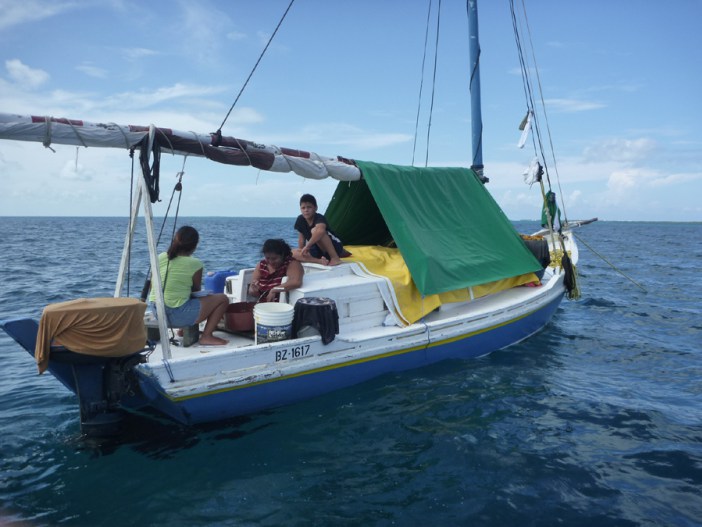
A meeting is currently underway in Barbados to chart the course for a new study on the impacts of rising cost factors of fishing operations. The Caribbean Regional Fisheries Mechanism (CRFM) is convening the two-day meeting which concludes today.
Among the rising cost factors in the industry are labour, fuel, fishing gear, repair and maintenance, and capital.
The expert working group at the Bridgetown meeting includes fisheries experts from CRFM Member States, the CRFM Secretariat, the private sector and the United Nations Food and Agriculture Organisation (FAO), the partner agency for the initiative.
The project consultant, Claudia Stella Beltrán Turriago, an economist, joins the experts in Barbados, as they agree on the best methodology to carry out the study. They will also select beneficiary countries which will be targeted for fieldwork and remote surveys, which will entail surveys of small-scale and industrial fishers, suppliers, traders and exporters.

After the study is completed, a policy brief will be prepared for action by Caribbean leaders. The brief will highlight the major findings and recommendations, including policy options and strategies to increase efficiency, productivity and sustainability of the fisheries and aquaculture sector, while reducing economic risks.
Mr. Milton Haughton, Executive Director of the CRFM, noted that: “This study should help fishers and fishing companies to improve profits and income. It is one of the many initiatives being pursued by the CRFM Member States to improve food security. We hope it will also transform, reposition and improve economic and ecological resilience in the fisheries sector, in response to climate change and in keeping with our commitments under the Caribbean Community Common Fisheries Policy.”
The beneficiary countries are the 17 states which are members of the Caribbean Regional Fisheries Mechanism, as well as countries covered by a UN/FAO project on the Sustainable Management of Bycatch in Trawl Fishing in Latin America and the Caribbean (the REBYC-II LAC), funded by the Global Environment Facility (GEF).
The Caribbean region is very susceptible to fluctuations in world food prices due to high dependence on imported products. The region’s food security is furthermore threatened by the adverse impacts of climate change and climate variability, which exacerbate droughts and floods in major agriculture producing nations, and which are also affecting the region’s coastal and marine ecosystems, like coral reefs, and our fisheries.
In highlighting the need for the study, the CRFM notes that, “Member States need to guard against future economic shocks, such as spikes in fuel prices and other inputs; reduce economic risks; modernise with a view to improving the efficiency of the region’s fishing fleets; reduce barriers to accessing new markets; and address price fluctuations for commercially important species by promoting and developing value-added products.” (Caribbean Regional Fisheries Mechanism Press Release)
Related Stories
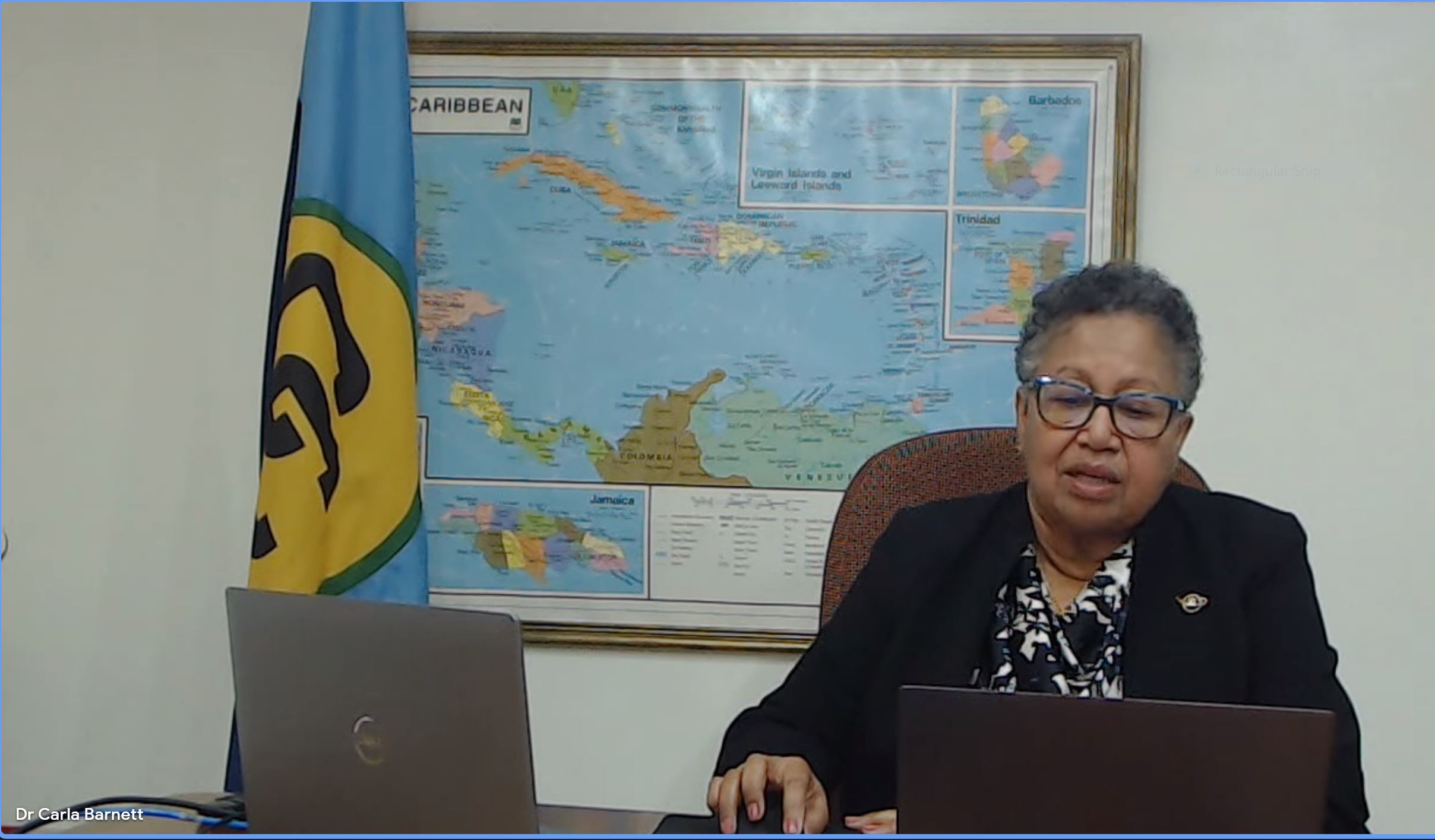
CARICOM Secretary General urges Innovation, Collaboration in Regional Fisheries Sector
Dr Carla Barnett, Secretary General of the Caribbean Community (CARICOM) has called on fisheries stakeholders to invest more in research and innovation so that countries in the
Fisheries Ministers from CRFM Member States meet Friday in Guyana
The Caribbean Regional Fisheries Mechanism (CRFM) will host the 11th Meeting of its Ministerial Council—the highest ranking decision-making body of the regional fisheries organization—starting at 9