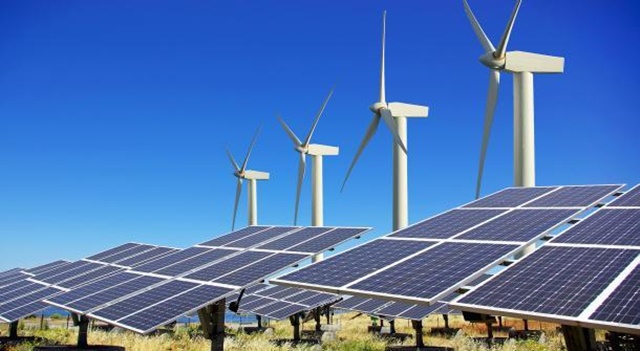
Worldwatch Creates First Ever Sustainable Caribbean Roadmap
The Worldwatch Institute has released the first ever sustainable energy roadmap for the Caribbean to achieve 48% renewable energy generation by 2027.
The Caribbean Sustainable Energy Roadmap and Strategy (C-SERMS) Baseline Report and Assessment, published this week, also suggests a 33% reduction in the region’s energy intensity, with both goals together allowing for a 46% decrease in carbon dioxide emissions over the same period. The report lays out a work program of “Priority Initiatives, Policies, Projects, and Activities (PIPPAs)” that the authors believe will make these ambitious targets feasible targets.
“A month before the milestone United Nations climate summit in Paris, and on the day of the launch of the Caribbean Center for Renewable Energy and Energy Efficiency, this report leads the way for CARICOM [Caribbean Community] and its Member States to become global sustainable energy leaders,” says Alexander Ochs, Director of Climate and Energy at Worldwatch and lead author of the report.
The authors of the report believe that “The Caribbean region stands at a crossroads, faced with several critical challenges associated with the generation, distribution, and use of energy.” Despite a wide variety of renewable energy resources, Worldwatch describe the Caribbean as “disproportionately” reliant upon imported fossil fuels, “which exposes it to volatile oil prices, limits economic development, and degrades local natural resources.”
Across much of the Caribbean, inefficient transmission and distribution networks, combined with geographic remoteness and mountainous region,s increase the costs of importing fossil fuels, causing large portions of GDP to disappear, when they could rather be diverted towards domestic investment. The report highlights hydropower as the most attractive renewable energy option throughout the CARICOM region, especially for those states with “hilly topography and high rainfall rates.” Biomass and municipal solid waste also “provide a flexible and easily accessible entry point to renewable energy generation” for much of the region. Unsurprisingly, wind and solar resources are abundant throughout the Caribbean, but are “extremely underutilised,” as are a significant amount of untapped geothermal resources. And, of course, for a region made up of islands, wave and tidal power generation is an extremely appealing option.
These abundant resources, however, are representative of a region which is likely to be heavily and dramatically impacted by a changing climate.
“Caribbean countries are, and increasingly will be, affected greatly by the negative consequences of global climate change,” says Ochs. “They have a strong incentive to demonstrate to other countries that it is possible to reduce climate-altering emissions quickly.”
On top of that, the growing consensus that renewable energy technologies like wind and solar (leaders of an increasingly large number of technologies) are becoming cost competitive and highly efficient is simply further reason the Caribbean should seriously consider a sustainable energy transition.
“But even if the problem of global warming did not exist, and the burning of fossil fuels did not result in extensive local air and water pollution, CARICOM Member States would still have a mandate to transition away from these fuels as swiftly as possible, for reasons of social opportunity, economic competitiveness, and national security,” continued Ochs. “They owe it to their people.”
No single individual renewable energy technology could meet the increasing energy demand across the entire CARICOM region, although it is interesting to note — and not at all surprising, given the Caribbean’s location — that geothermal energy does have the potential to meet demand of individual member states. Nevertheless, by developing renewable energy resources and technologies simultaneously, “these resources possess significant synergistic potential and can reduce each other’s disadvantages.”
This is especially the case when a growth in renewable energy deployment is done hand-in-hand with energy efficiency improvements, which the authors note “can be deployed across many economic sectors and are often both the cheapest and the fastest way to lessen the environmental and economic costs associated with a given energy system.” The authors also claim that the Caribbean has “abundant regional potential” for such energy efficiency improvements, including opportunities such as ” smart architecture and construction measures, efficient consumer appliances, electricity grid interconnection, and grid infrastructure improvement.”
“Through regional collaboration, CARICOM Member States have a tremendous opportunity to spearhead sustainable energy development region-wide,” said Andreas Taeuber, leader of the Renewable Energy and Energy Efficiency Technical Assistance (REETA) project, which supports the CARICOM Energy Unit in fulfilling its political mandate.
“Full transformation of the region’s energy sector will be a long-term process, requiring extensive and dedicated collaboration among Member States as well as regional and international actors. The regional approach outlined by C-SERMS ensures that no Member State will travel this path alone, but instead will be supported by a network of actors and institutions, united under a common vision for sustainability.”
You may also be interested in:
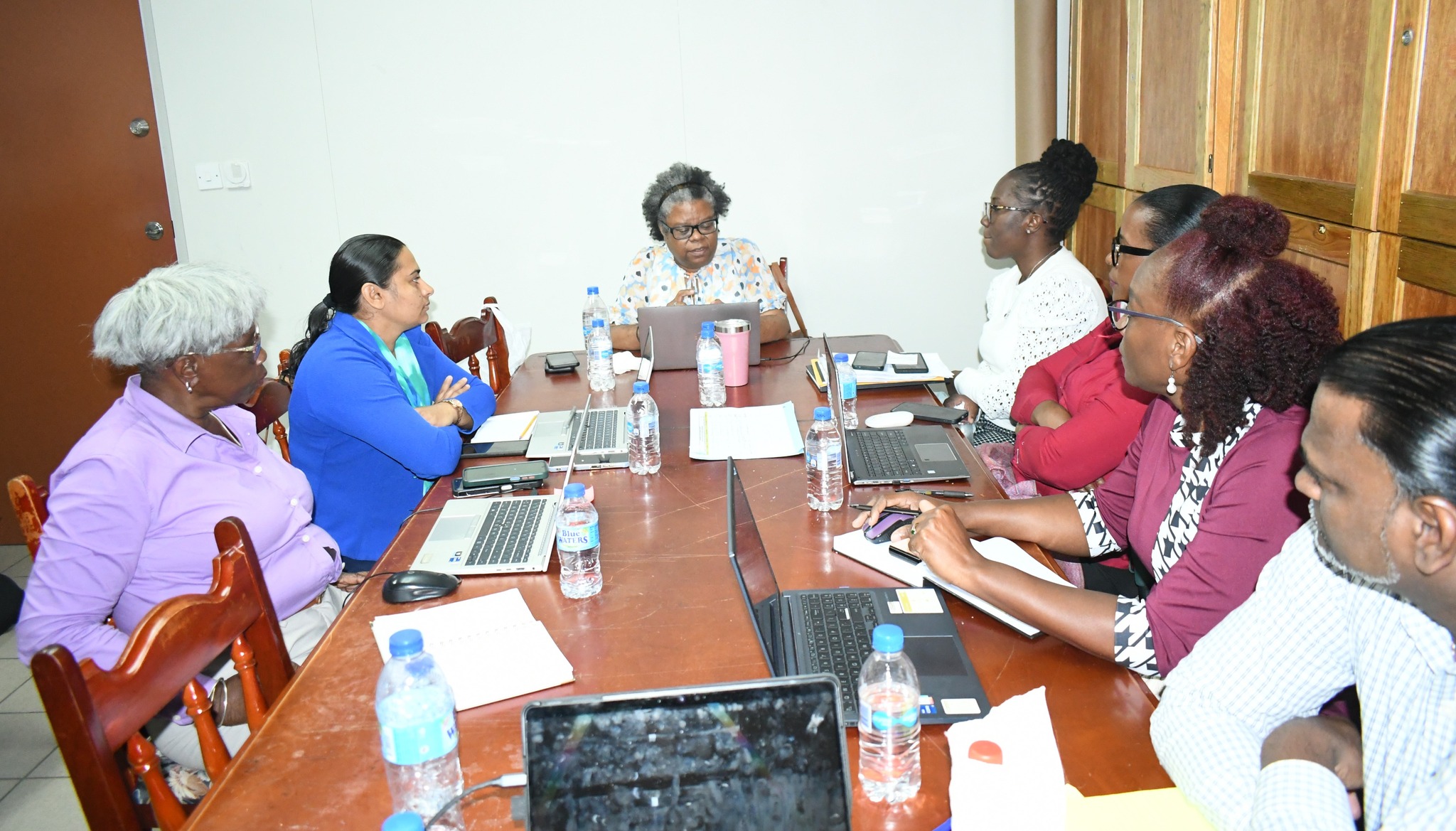
Stakeholders Engage in Consultations to Strengthen National Youth Policy
The Department of Youth Development and Sports, through its Youth Unit, has commenced a four-day series of half-day closed stakeholder consultations aimed at strengthening the development and...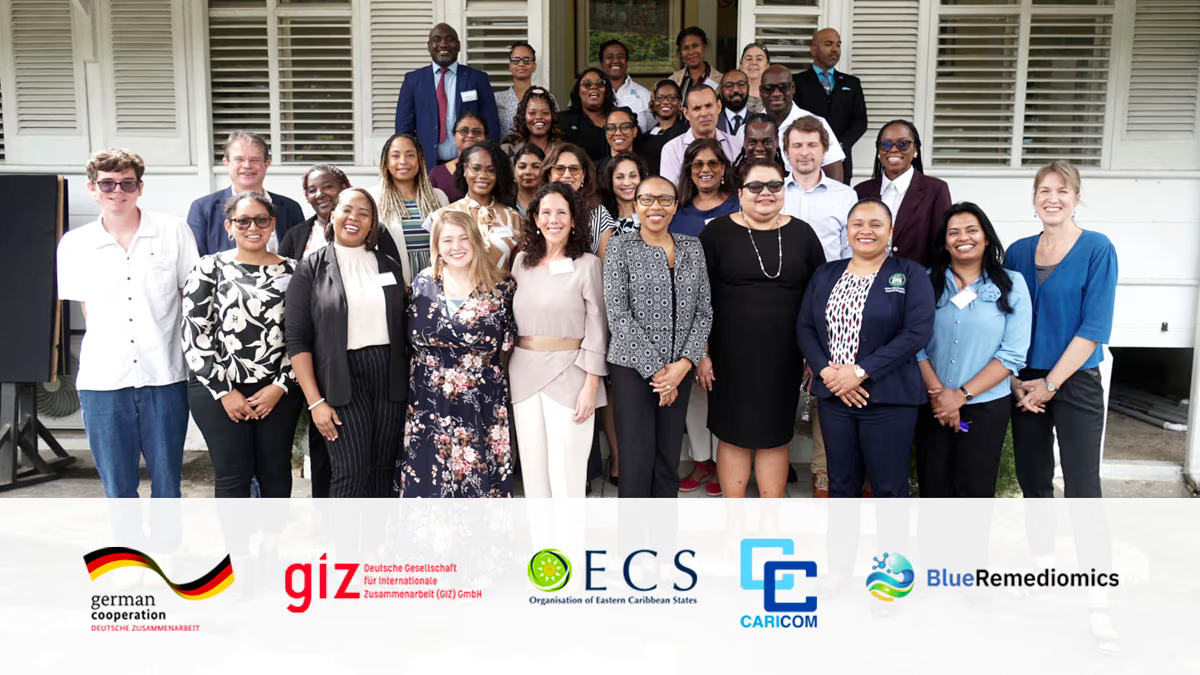
Regional Workshop Strengthens Caribbean Capacity on Genetic Resources
Regional policymakers, scientists, and biodiversity experts gathered from March 3-5, 2026, at The University of the West Indies (UWI), St.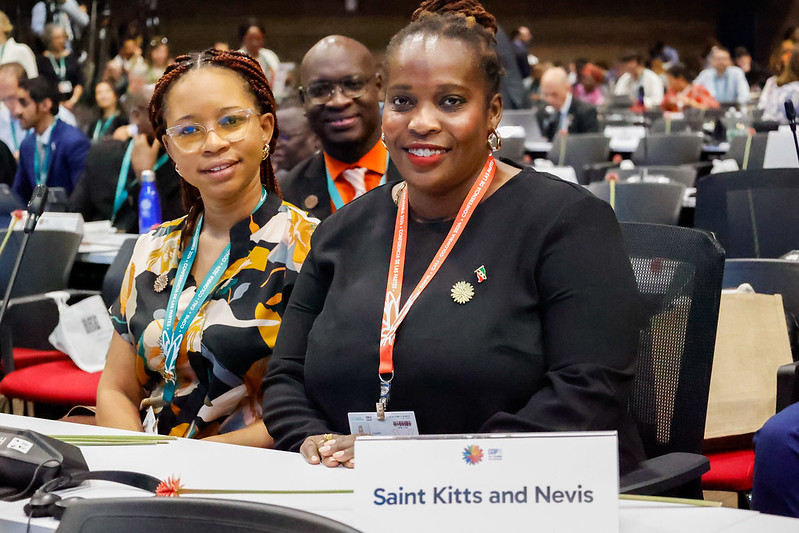
Statement by Hon. Dr. Joyelle Clarke, Minister of Sustainable Development, Environment, Climate Action and Constituency Empowerment of Saint Kitts and Nevis| High-Level Segment, 16th Meeting of the Conference of Parties of the UN Convention on Biological Diversity| Cali, Colombia| 30 October 2024
"The fight for biodiversity cannot be disentangled from the climate crisis. This is why our commitment to the Kunming-Montreal Biodiversity Framework is especially critical and why Saint KittsRelated Stories

Feasibility and Benefits of a Transition to Mercury-free Lighting in CARICOM
In the lead up to #MinamataCOP4, the Caribbean Community (CARICOM) Secretariat and the Clean Lighting Coalition are hosting a virtual conversation to highlight the feasibility and benefits of a...<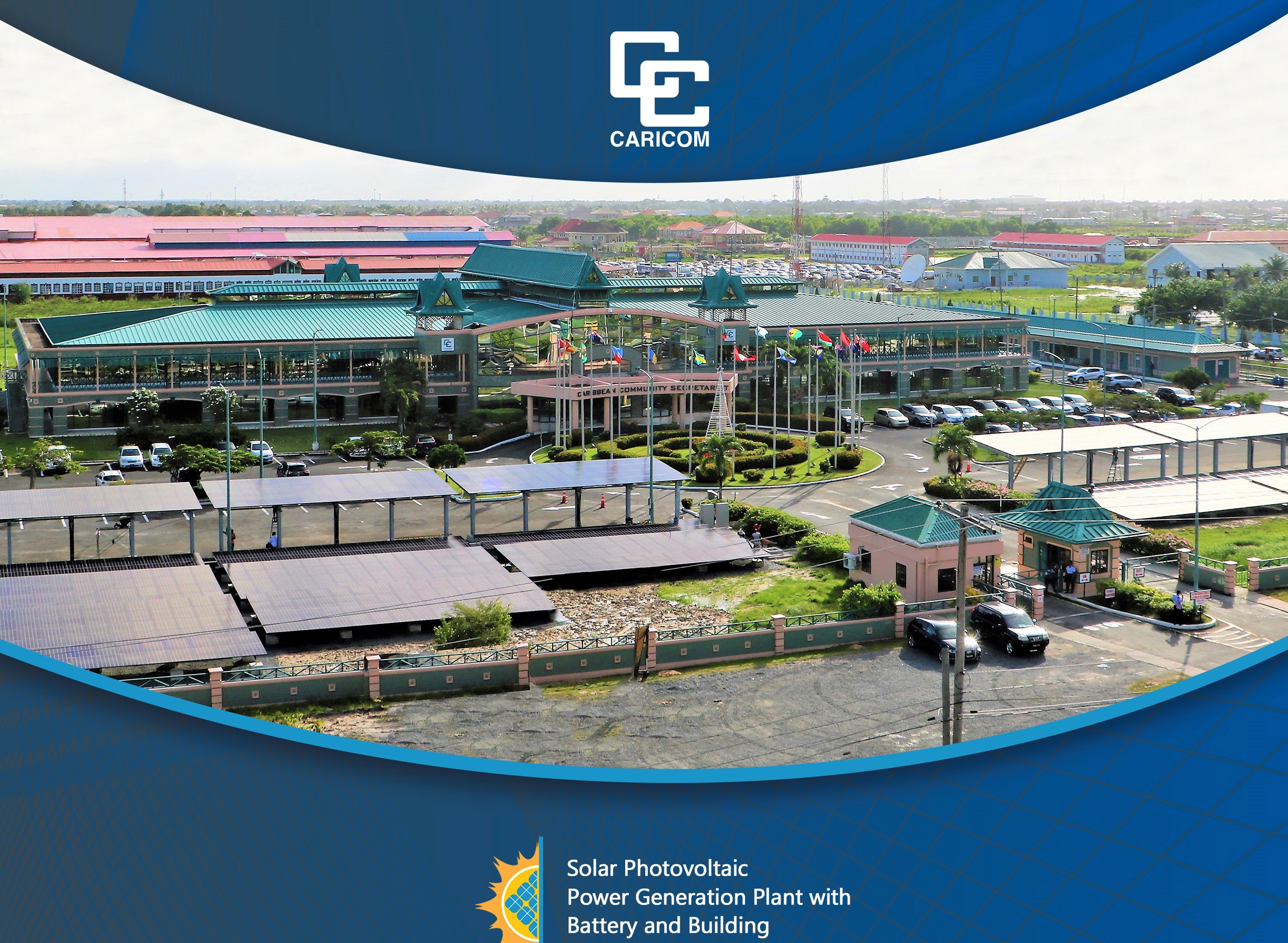
CARICOM Secretariat helping to lead Region's renewable energy transformation
The CARICOM Secretariat today takes charge of a Solar Photovoltaic Power Generation Plant, as it sets an example of how the Region can utilise renewable energy resources to move towards greater...<