Workshop agrees on movement on energy efficiency building codes, standards
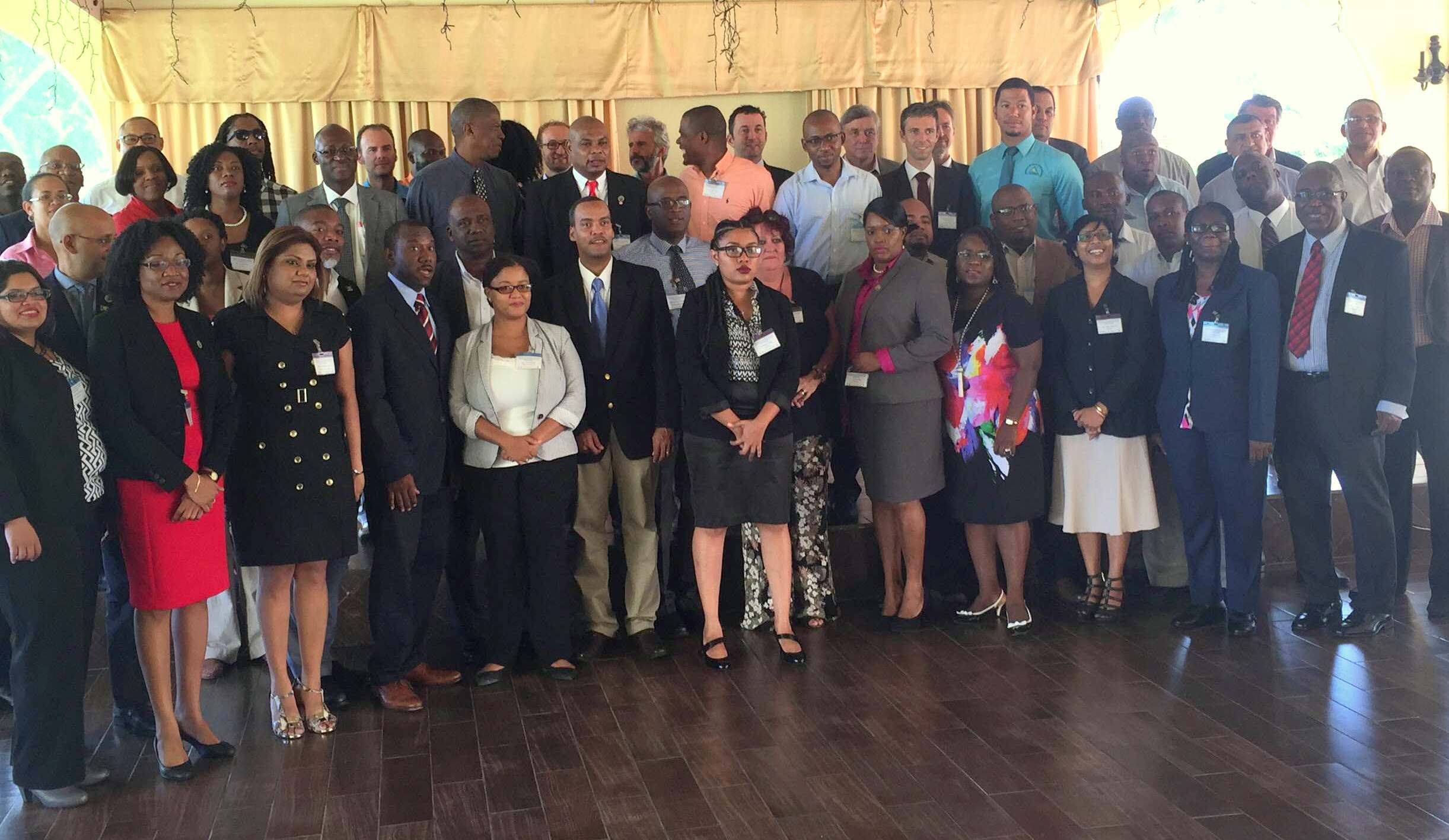
Caribbean Community (CARICOM) Member States have agreed to develop strategies that promote buy-in and early adoption of the establishment of a Regional Energy Efficiency Building Code (REEBC) and a Minimum Energy Performance Standards (MEPS). The REEBC and the MEPS are expected to be submitted to the Council for Trade and Economic Development (COTED) in November, 2017.
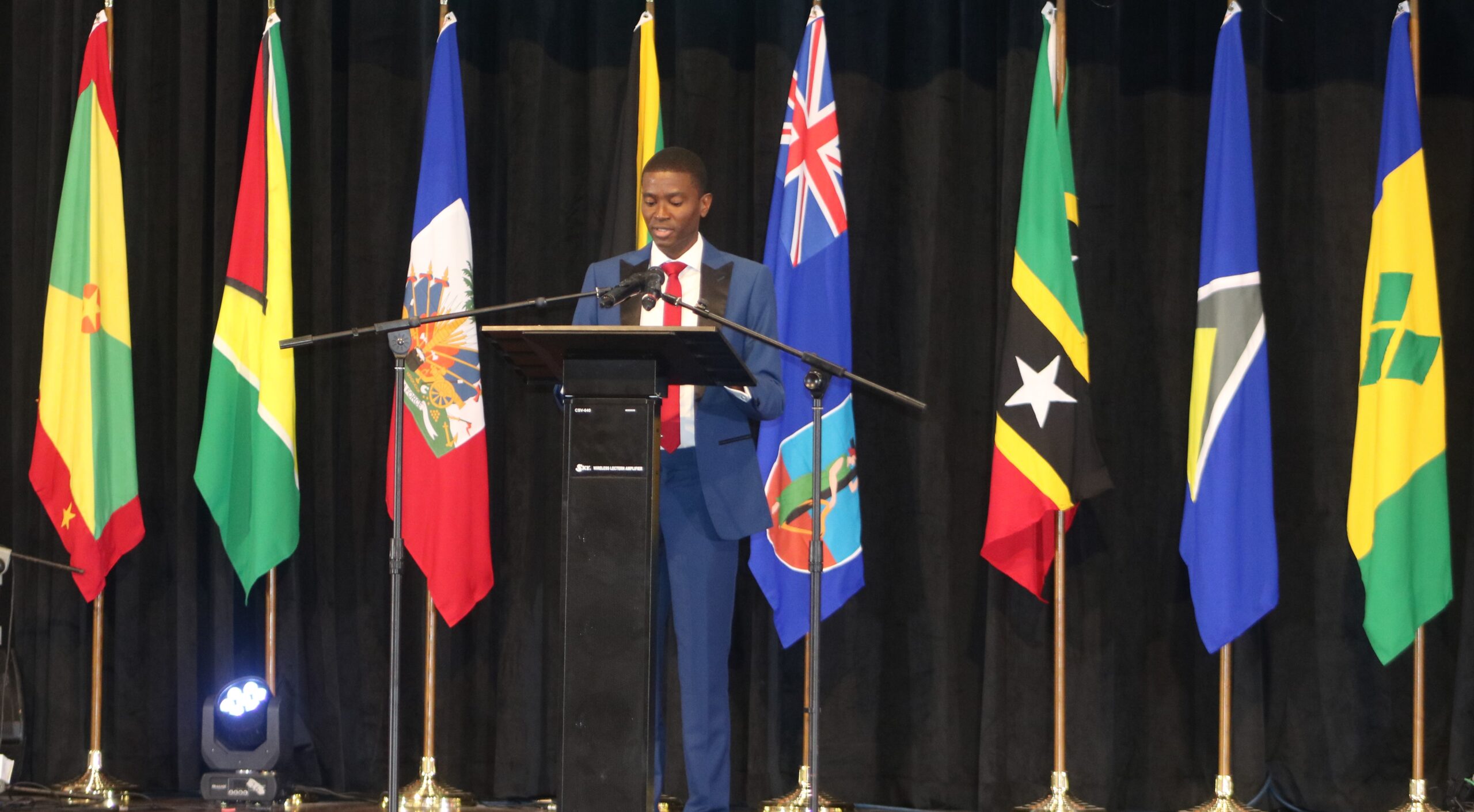
The agreement was among several significant outcomes of a Workshop on Energy Efficiency Standards and Regulations in Buildings held in St George’s, Grenada, 13 – 15 July, 2016.
Several organisations partnered to convened the workshop. They include the CARICOM Secretariat and the CARICOM Regional Organisation for Standards and Quality (CROSQ), the Grenada Bureau of Standards (GDBS) supported by the German Agency for International Cooperation (GIZ), through the regional Renewable Energy and Energy Efficiency Technical Assistance (REETA+) Programme and the Grenada-based Reform of the Electricity Sector to Support Climate Policy (G-RESCP) Programme, as well as the Caribbean Development Bank (CDB).
In an effort to accelerate the establishment of the REEBC, a road map will be completed and a Technical Management Committee (TMC), which will review the Caribbean Application Documents (CAD), will be instituted. Every Member State will also establish ‘Mirror Committees’ who will review the CADs. The REEBC will then be submitted following the disposition of all comments and completion of the necessary amendments. It is envisioned that the REEBC will provide a mechanism through which the reduction in energy consumption in buildings can be achieved while simultaneously delivering a comfortable workplace with a variety of electrical devices that provide light, comfort, task assistance, and entertainment.
There was a firm agreement in the workshop to consider starting with a single climatic zone and utilise the energy models to better understand the need in order to identify additional climatic zones that will accurately represent the Region. The meeting also agreed that the IECC code should be used as the baseline code and necessary amendments be introduced.
Overall, the three-day event was extremely productive and all participants were engaged by the presentations made and contributed substantially to the open discussions and working group sessions. Participants included representatives from 14 CARICOM Member States with representatives from the Bureau of standards and the Energy division; the CARICOM Secretariat; CROSQ; and a number of partner institutions, such as, OECS, CCCCC, CARILEC, GIZ, CDB, UTECH, GEF-UNEP ESD, TTGBC, US DOE and others.
The workshop followed an earlier meeting on the Minimum Energy Performance Standards, which was held in December 2015, and is part of a larger initiative within the CARICOM Energy Programme for promoting energy conservation and energy efficiency in all sectors.
The outcomes of the workshop were seen as realistic and aligned with the mandate that was established at the Forty-First Special Meeting of the COTED [Energy] held in Trinidad and Tobago in March 2013, and the work of the Regional Collaboration on Efficient Energy-use in Buildings (RCEEB). The RCEEB was established as a strategic partnership for collective action on building energy efficiency issues, and includes coordination of activities, actions and projects within CARICOM.
It was the view of participants that voluntary MEPS should be introduced in CARICOM States.
An agreement for utilities to innovatively invest in the energy efficiency in buildings was also tabled and found consensus.
You may also be interested in:
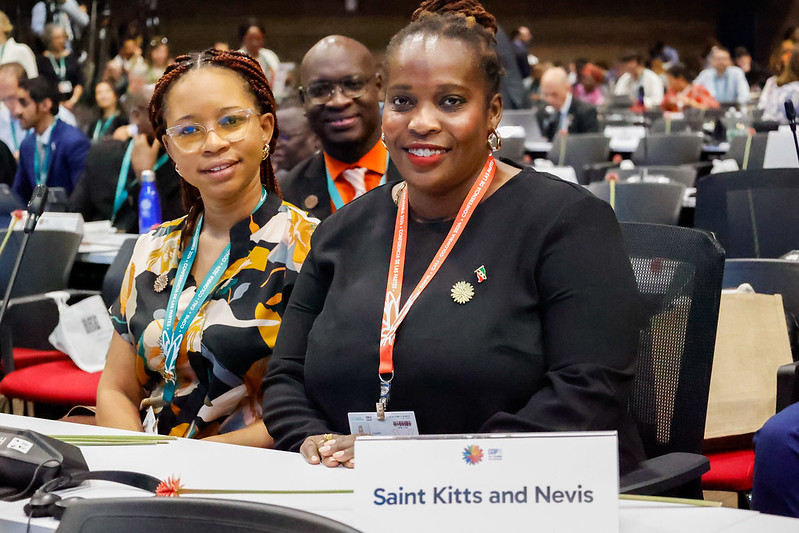
Statement by Hon. Dr. Joyelle Clarke, Minister of Sustainable Development, Environment, Climate Action and Constituency Empowerment of Saint Kitts and Nevis| High-Level Segment, 16th Meeting of the Conference of Parties of the UN Convention on Biological Diversity| Cali, Colombia| 30 October 2024
"The fight for biodiversity cannot be disentangled from the climate crisis. This is why our commitment to the Kunming-Montreal Biodiversity Framework is especially critical and why Saint Kitts and...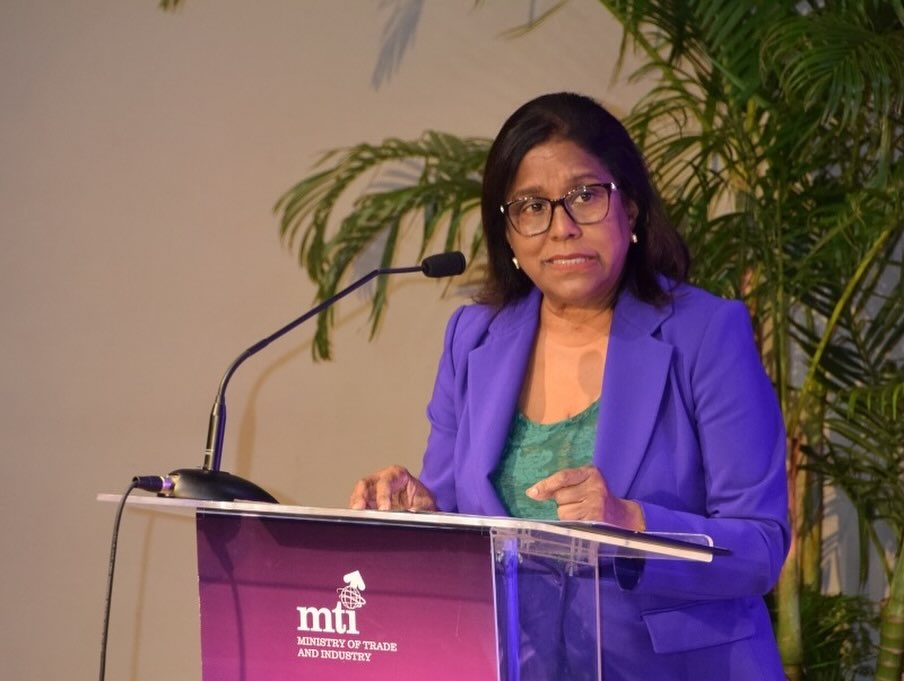
Remarks by Senator the Hon. Paula Gopee-Scoon, Minister of Trade and Industry of Trinidad and Tobago, and Chair of the Council for Trade and Economic Development (COTED), at a meeting with Ambassador Katherine Tai, U.S. Trade Representative, 2 August 2024.
Let me first express my extreme delight in joining Minister Todd and representatives of the CARICOM Secretariat in welcoming Ambassador Tai to Guyana and CARICOM. The United States market is of...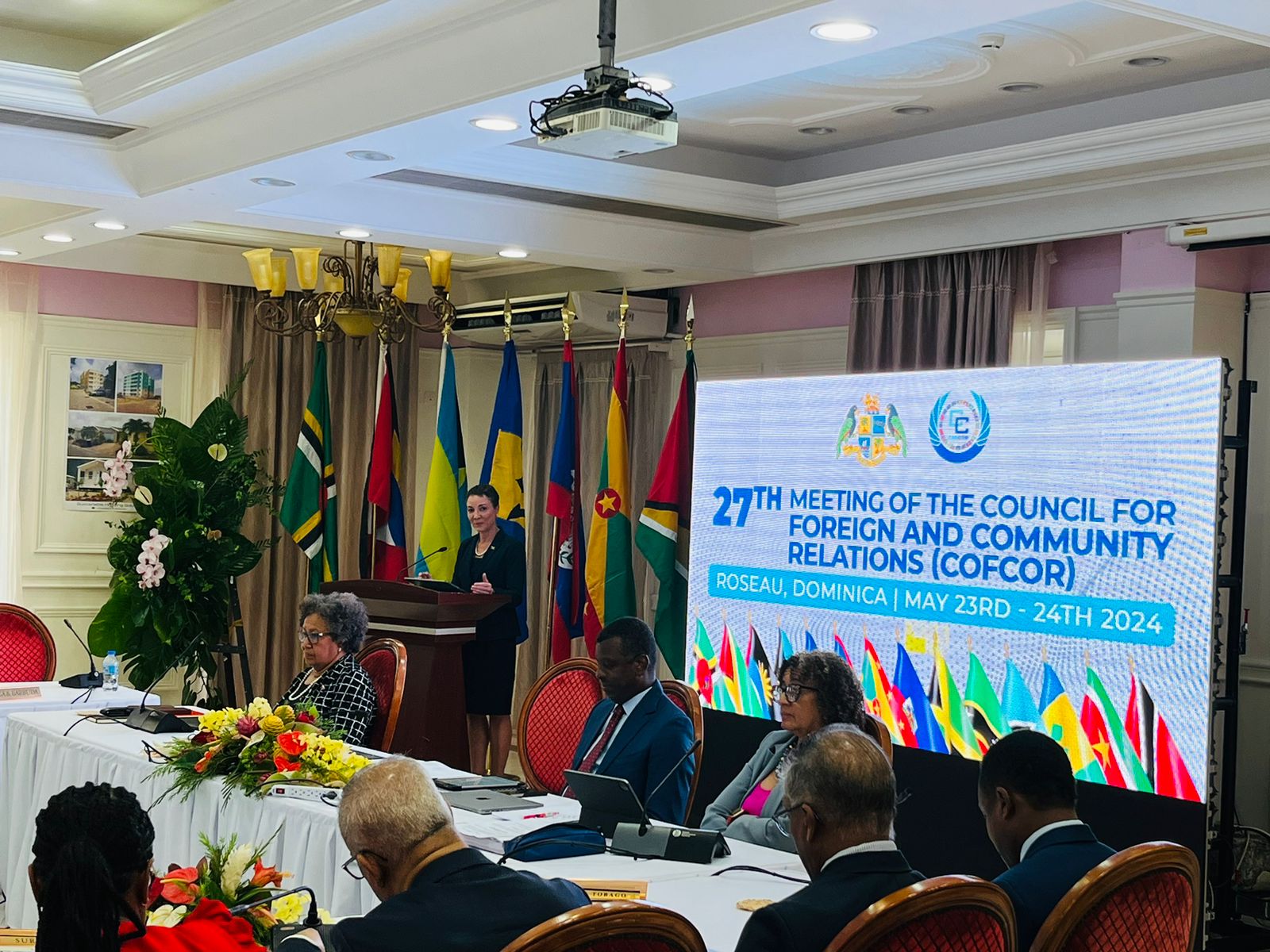
Remarks by the Outgoing Chair of the Council for Foreign and Community Relations (COFCOR), Senator the Hon. Kamina Johnson Smith, Minister of Foreign Affairs and Trade of Jamaica, at the Opening Ceremony of the Twenty-Seventh Meeting of COFCOR, 23 May 2024, Roseau, Dominica
Dr. Carla Barnett, Secretary-General of the Caribbean Community (CARICOM); Honourable Dr. Vince Henderson, Minister of Foreign Affairs, International Business, Trade and Energy of the Commonwealth...Related Stories

Feasibility and Benefits of a Transition to Mercury-free Lighting in CARICOM
In the lead up to #MinamataCOP4, the Caribbean Community (CARICOM) Secretariat and the Clean Lighting Coalition are hosting a virtual conversation to highlight the feasibility