WHO wants Caribbean countries to take urgent action in addressing non-communicable diseases
GENEVA, Switzerland (CMC) –The World Health Organization (WHO) is urging Caribbean countries to take urgent action to meet global targets to reduce the burden of non-communicable diseases (NCDs).
According to a new WHO report, 16 million people die prematurely annually – before the age of 70 – from heart and lung diseases, stroke, cancer and diabetes,
“The global community has the chance to change the course of the NCD epidemic,” said WHO Director-General Dr Margaret Chan in launching the “Global status report on non-communicable diseases 2014” report.
She said that by investing one to three US dollars per person annually, countries can dramatically reduce illness and death from NCDs.
““In 2015, every country needs to set national targets and implement cost-effective actions. If they do not, millions of lives will continue to be lost too soon.
“The global community has the chance to change the course of the NCD epidemic,” Chan said.
The report states that most premature NCD deaths are preventable. Of the 38 million lives lost in 2012 to NCDs, 16 million or 42 per cent were premature and avoidable – up from 14.6 million in 2000.
Nearly five years into the global effort to reduce premature deaths from NCDs by 25 per cent by 2025, the report provides a fresh perspective on key lessons learnt
It states premature NCD deaths can be significantly reduced through government policies reducing tobacco use, harmful use of alcohol, unhealthy diets and physical inactivity, and delivering universal health care.
The report calls for more action to be taken to curb the epidemic, particularly in low- and middle-income countries, such as those in the Caribbean, “where deaths due to NCDs are overtaking those from infectious diseases.”
The report provides “best buy” or cost-effective, high-impact interventions recommended by WHO, including banning all forms of tobacco advertising, replacing trans fats with polyunsaturated fats, restricting or banning alcohol advertising, preventing heart attacks and strokes, promoting breastfeeding, implementing public awareness programmes on diet and physical activity, and preventing cervical cancer through screening.
You may also be interested in:
Stakeholders Engage in Consultations to Strengthen National Youth Policy
The Department of Youth Development and Sports, through its Youth Unit, has commenced a four-day series of half-day closed stakeholder consultations aimed at strengthening the development and...
Regional Workshop Strengthens Caribbean Capacity on Genetic Resources
Regional policymakers, scientists, and biodiversity experts gathered from March 3-5, 2026, at The University of the West Indies (UWI), St.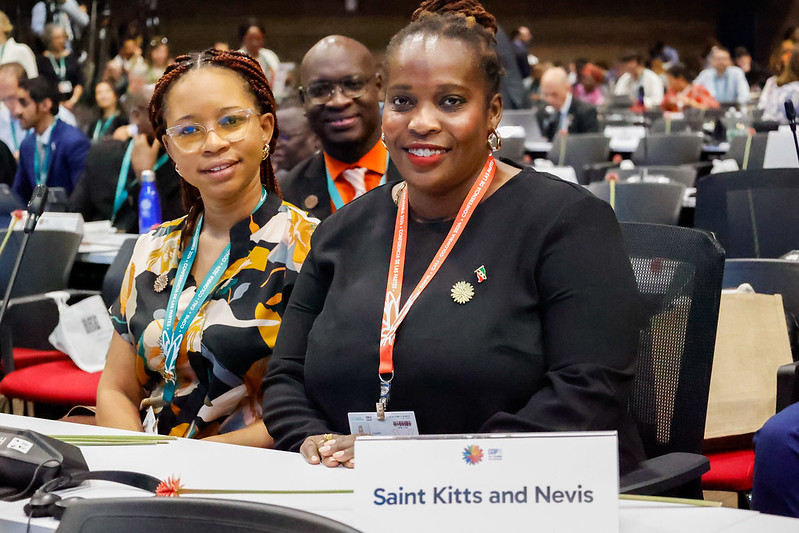
Statement by Hon. Dr. Joyelle Clarke, Minister of Sustainable Development, Environment, Climate Action and Constituency Empowerment of Saint Kitts and Nevis| High-Level Segment, 16th Meeting of the Conference of Parties of the UN Convention on Biological Diversity| Cali, Colombia| 30 October 2024
"The fight for biodiversity cannot be disentangled from the climate crisis. This is why our commitment to the Kunming-Montreal Biodiversity Framework is especially critical and why Saint KittsRelated Stories
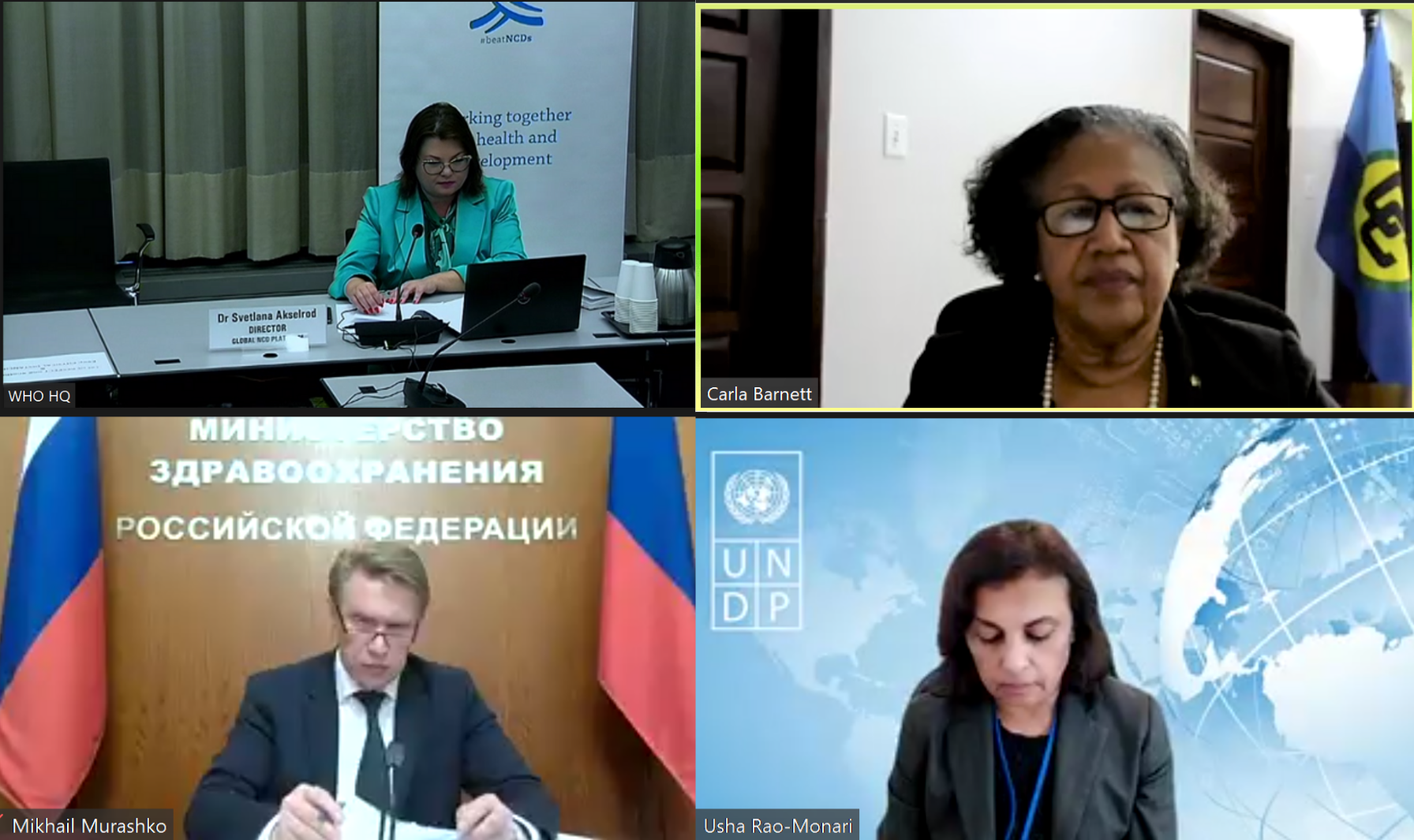
Keynote Address by Secretary-General Dr. Carla Barnett to the UNGA Side Event: Friends of the UN Inter-Agency Task Force on the Prevention and Control of Non-Communicable Diseases (NCDS): Mobilising Resources and Technical Support with and for Member States to deliver the NCD and Mental Health Development Goal targets during and Beyond COVID-19
Hon. Gen. (Retd.) Dr. Constantine N. Chiwenga, Vice President of Zimbabwe; Hon. Mikhail Murashko, Minister of Health of the Russian Federationand Dr.
EU/PAHO/CARIFORUM Climate & Health Project Builds Capacity with Health Co-Benefits Training
Bridgetown, Barbados, 7 June 2021 (PAHO/WHO) - During a recently held European Union (EU), Pan American Health Organization (PAHO), [1]CARIFORUM Health Co-Benefits webinar, representatives from 16.