UN wants greater action to stem diabetes in Caribbean
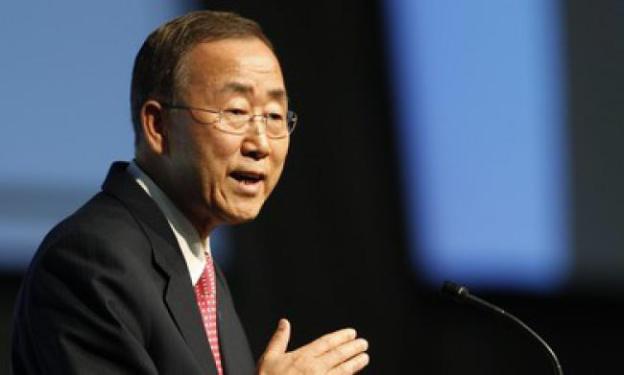
UNITED NATIONS, (CMC) -- UN Secretary-General Ban Ki-moon says the people of the Caribbean must take steps towards a healthy lifestyle while governments create conditions to stem the global epidemic of diabetes.
In his message to mark World Diabetes Day on Saturday, the secretary- general reiterated the warning from the World Health Organization (WHO) that diabetes will be the seventh leading cause of death by 2030.
"Let us all step up to limit the impact of diabetes," he said.
The UN said close to 350 million people in the world have diabetes, a chronic disease that occurs when the body does not produce enough insulin, or when it cannot effectively use the insulin it does produce to help the body metabolise the sugar that is formed from the food we eat.
"There is much all of us can do to minimise our risk of getting the disease and, even if we do get it, to live long and healthy lives with it," said the UN chief, suggesting, for example, that "anyone who can stand instead of sit, walks a little bit more each day, and is generally more active should do so."
WHO marked World Diabetes Day 2015 by announcing that the organisation's annual World Health Day, which recognises its birthday on April 7, will focus on the issue of diabetes.
"World Health Day will provide an important platform for promoting efforts to prevent diabetes and ensure optimal management of the condition for people living with one of the various forms of disease," the health agency said.
It said multiple actions can be taken to reduce the impact of diabetes, through adopting healthy lifestyles, such as partaking in physical activity and healthy diets, to government action on curbing the marketing of unhealthy foods and ensuring health systems provide the required services and care for people living with the disease.
In his message, the secretary-general said the world recently took a major step in adopting the 2030 Agenda for Sustainable Development, and incorporating a target to reduce by one-third the deaths attributed to non-communicable diseases, including diabetes, by 2030.
"On World Diabetes Day, let us recognise the progress we have made, but let us also acknowledge that it is not yet enough," he said. "Let us all step up to limit the impact of diabetes."
In 2012, diabetes was the direct cause of some 1.5 million deaths, with more than 80 percent of them occurring in low- and middle-income countries, the UN said. WHO projects that diabetes will be the seventh leading cause of death by 2030.
There are two main forms of the disease. People with type 1 diabetes typically make none of their own insulin and, therefore, require insulin injections for survival. People with type 2 diabetes, the form that comprises some 90 per cent of all cases, usually produce their own insulin, but not enough or they are unable to use it properly. People with type 2 diabetes are typically overweight and sedentary, WHO said.
"But, properly treated, the impact of diabetes can be minimised."
On December 20, 2006, the UN General Assembly passed a resolution recognising diabetes as a chronic, debilitating and costly disease associated with major complications that pose severe risks for families, countries, and the entire world.
The General Assembly also designated November 14 as a UN day to be observed every year, beginning in 2007.
Started by WHO and the International Diabetes Federation, the Day is celebrated on November 14 to mark the birthday of Frederick Banting who, along with Charles Best, was instrumental in the discovery of insulin in 1922, a life-saving treatment for diabetes patients.
You may also be interested in:
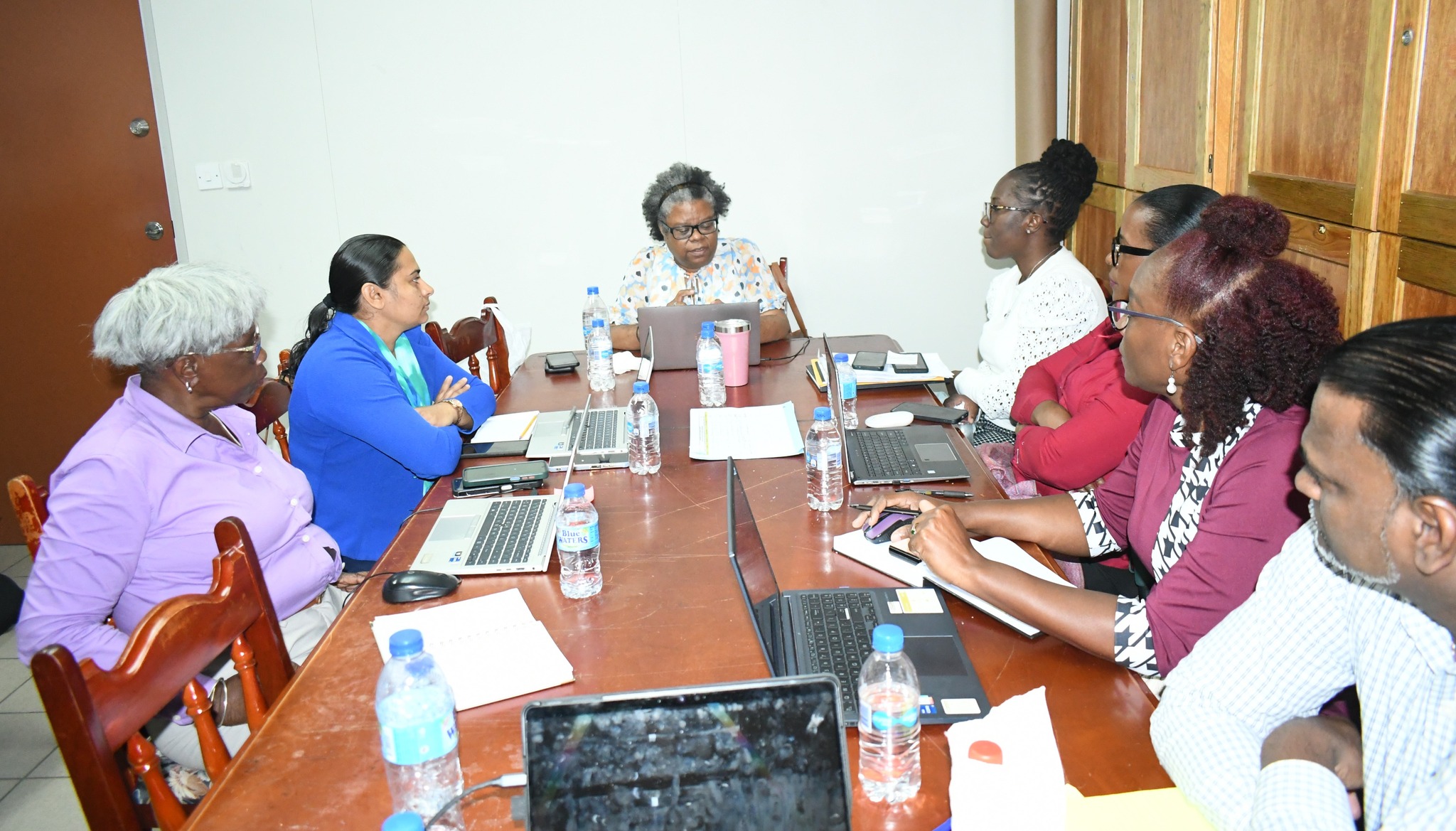
Stakeholders Engage in Consultations to Strengthen National Youth Policy
The Department of Youth Development and Sports, through its Youth Unit, has commenced a four-day series of half-day closed stakeholder consultations aimed at strengthening the development and...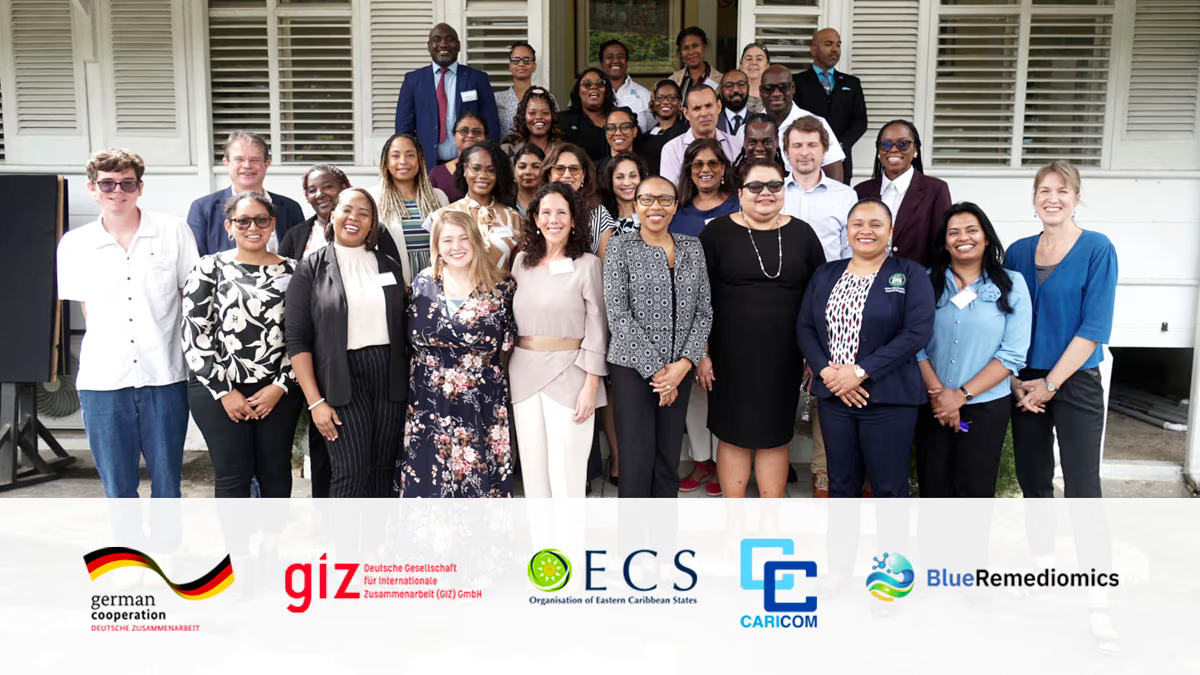
Regional Workshop Strengthens Caribbean Capacity on Genetic Resources
Regional policymakers, scientists, and biodiversity experts gathered from March 3-5, 2026, at The University of the West Indies (UWI), St.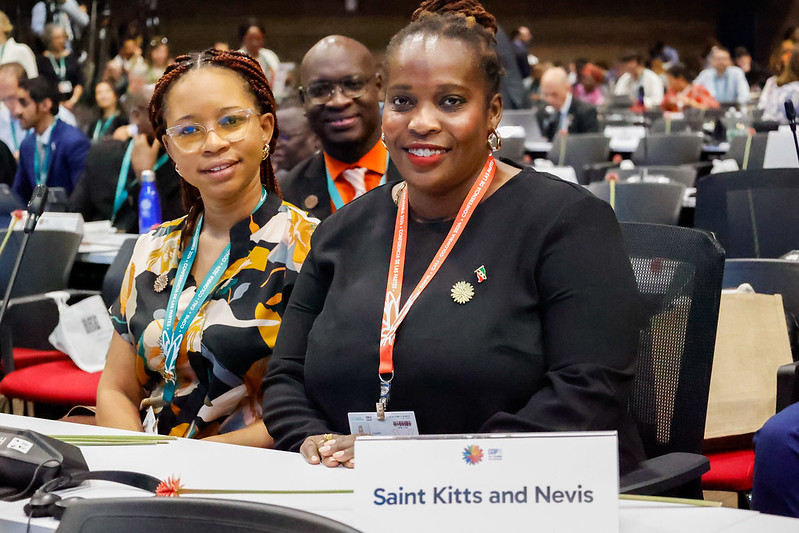
Statement by Hon. Dr. Joyelle Clarke, Minister of Sustainable Development, Environment, Climate Action and Constituency Empowerment of Saint Kitts and Nevis| High-Level Segment, 16th Meeting of the Conference of Parties of the UN Convention on Biological Diversity| Cali, Colombia| 30 October 2024
"The fight for biodiversity cannot be disentangled from the climate crisis. This is why our commitment to the Kunming-Montreal Biodiversity Framework is especially critical and why Saint KittsRelated Stories

EU/PAHO/CARIFORUM Climate & Health Project Builds Capacity with Health Co-Benefits Training
Bridgetown, Barbados, 7 June 2021 (PAHO/WHO) - During a recently held European Union (EU), Pan American Health Organization (PAHO), [1]CARIFORUM Health Co-Benefits webinar, representatives from 16.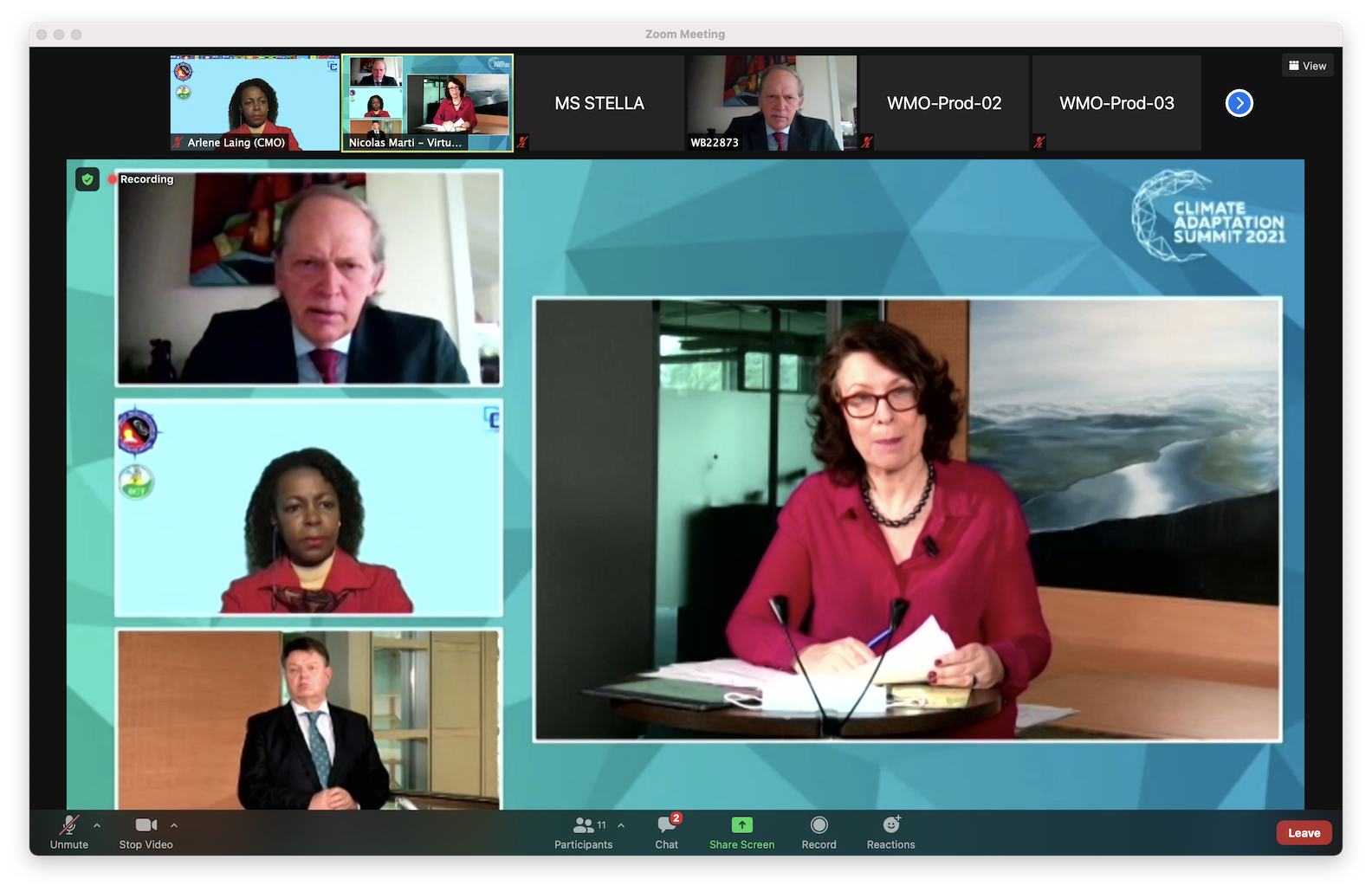
Caribbean Meteorological Organization contributes to Climate Adaptation Summit 2021
The Climate Adaptation Summit (CAS) 2021, a global conference held on 25-26 January 2021, brought together a range of participants to highlight adaptation efforts needed to respond to the effects o