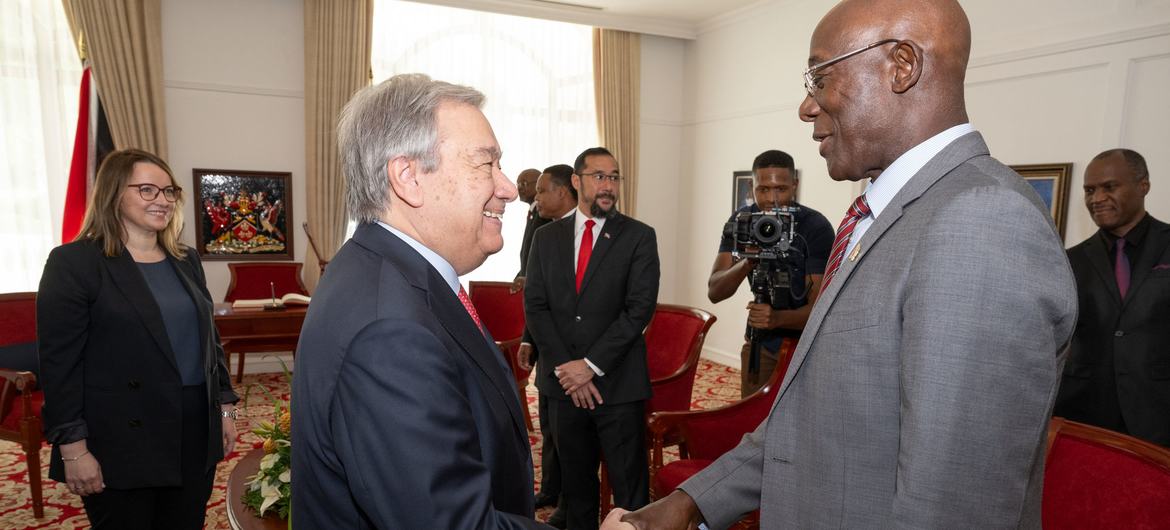
UN Targets “Hidden Source” for Development Funding
UNITED NATIONS, Nov 5 2015 (IPS) - The United Nations has estimated a hefty funding requirement of over 3.5 trillion to 5.0 trillion dollars per year for the implementation of its ambitious post-2015 development agenda, including 17 Sustainable Development Goals (SDGs), approved by world leaders in September.

But at least one key question remains unanswered: how will the UN convince rich nations and the world’s multinational corporations to help raise the necessary trillions to reach those global goals, including the eradication of poverty and hunger by 2030?
According to the UN, there is at least one “hidden source” for development funding, primarily for the world’s most impoverished continent: capturing the illicit financial outflows from Africa, estimated at over 50 billion dollars annually.

James Zhan, Director of Investment and Enterprise at the UN Conference on Trade and Development (UNCTAD), told delegates that tackling illicit financial flows was essential for Africa to achieve the Sustainable Development Goals.
The estimated resources leaving Africa in the form of illicit financial transfers, he pointed out, was nearly 530 billion dollars between 2002 and 2012.
“That was a huge cost for the continent’s development as those resources could have been invested into Africa’s economic development and structural transformation.”
He said illicit financial flows undermined institutions, drained the state of much needed economic resources, reduced the development resource base and led to higher domestic tax burdens to fill the resource gap.
The 17 SDGs also include quality education, improved health care, gender equality, sustainable energy, protection of the environment and global partnership for sustainable development.
Bhumika Muchhala, Senior Policy Researcher, Finance and Development Programme, at the Third World Network (TWN), told IPS the three key causes of illicit financial outflows are widely held to be commercial tax evasion, criminal activity and government corruption.
She said tax evasion and avoidance, as well as transfer mispricing (trade mis-invoicing) practices of multinational corporations (particularly in the extractives sector), constitute the leading problem, along with money laundering practices and criminal activity such as trafficking in drugs and labour.
As many social movements, non-governmental organisations (NGOs), academics and policymakers point out, this does not happen by accident, she said.
Many countries and their institutions actively facilitate, and reap enormous profits from, the theft of massive amounts of money from developing countries.
“This undoes decades of economic development and sabotages the chances of future generations to grow beyond the need for economic aid,” she added.
Following an investigation last year, a High-Level Panel on Illicit Financial Flows from Africa had concluded that combating such flows was no longer a choice; it had become an imperative.
The Panel, established by the Economic Commission for Africa (ECA), called upon the African Union (AU) to engage with its partner institutions to elaborate on a global governance framework to determine the “conditions under which assets are frozen, managed and repatriated.”
You may also be interested in:
Stakeholders Engage in Consultations to Strengthen National Youth Policy
The Department of Youth Development and Sports, through its Youth Unit, has commenced a four-day series of half-day closed stakeholder consultations aimed at strengthening the development and...
Regional Workshop Strengthens Caribbean Capacity on Genetic Resources
Regional policymakers, scientists, and biodiversity experts gathered from March 3-5, 2026, at The University of the West Indies (UWI), St.
Statement by Hon. Dr. Joyelle Clarke, Minister of Sustainable Development, Environment, Climate Action and Constituency Empowerment of Saint Kitts and Nevis| High-Level Segment, 16th Meeting of the Conference of Parties of the UN Convention on Biological Diversity| Cali, Colombia| 30 October 2024
"The fight for biodiversity cannot be disentangled from the climate crisis. This is why our commitment to the Kunming-Montreal Biodiversity Framework is especially critical and why Saint KittsRelated Stories
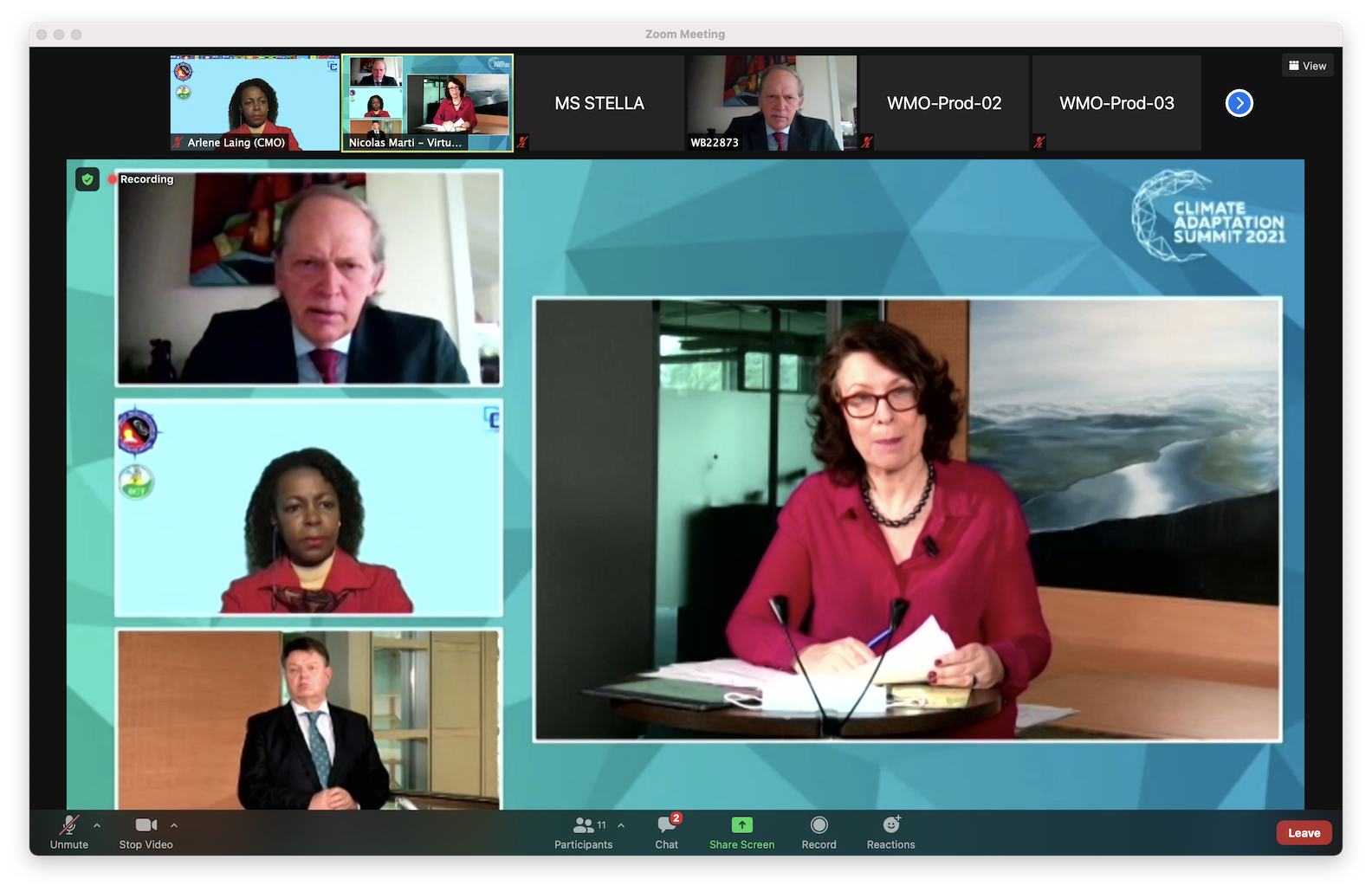
Caribbean Meteorological Organization contributes to Climate Adaptation Summit 2021
The Climate Adaptation Summit (CAS) 2021, a global conference held on 25-26 January 2021, brought together a range of participants to highlight adaptation efforts needed to respond to the effects o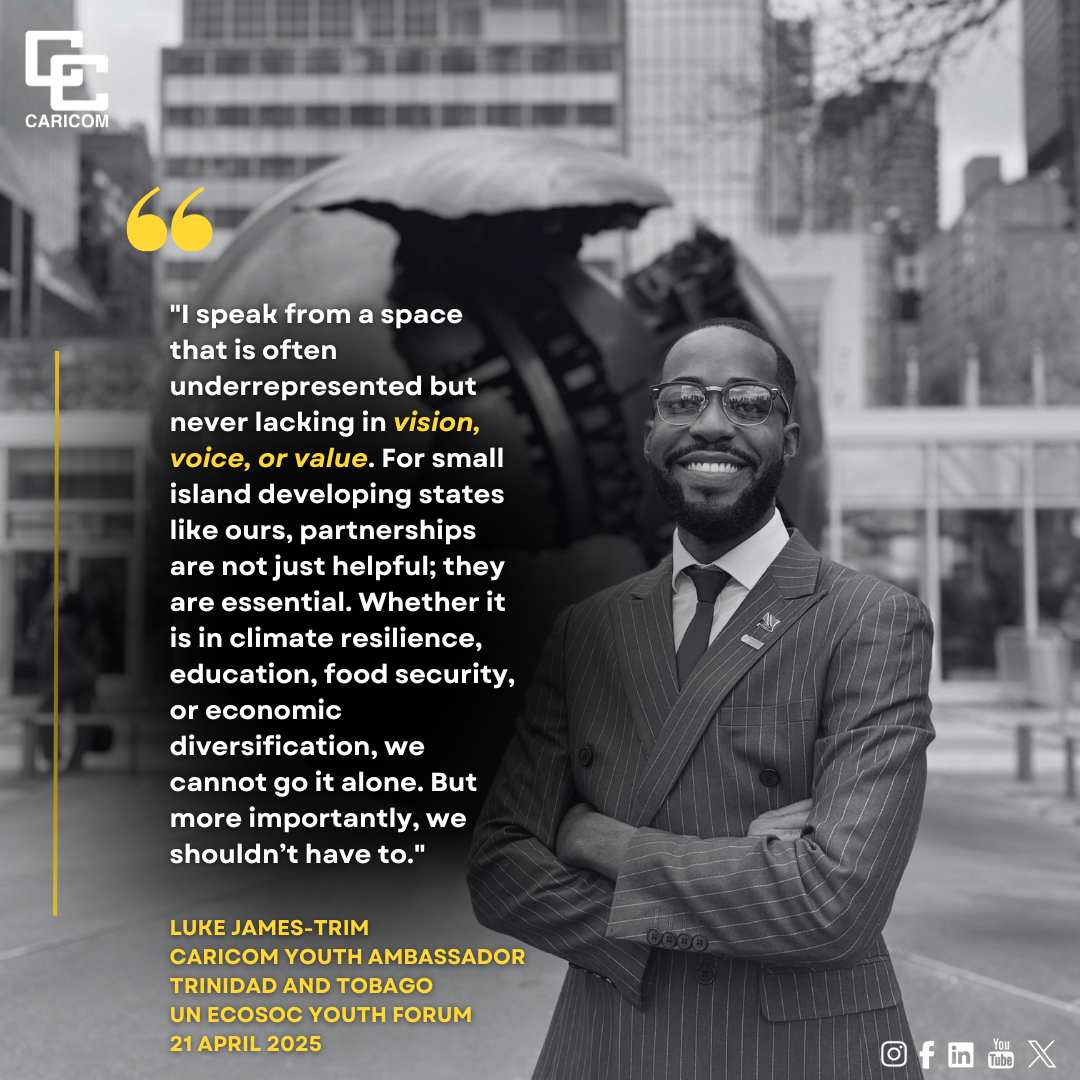
CARICOM Youth Ambassador champions Caribbean Partnerships at UN ECOSOC Youth Forum
Caribbean youth were represented by a powerful voice at the United Nations on Monday as Luke James-Trim, CARICOM Youth Ambassador for Trinidad and Tobago, took the international stage during the...