Trinidad and Tobago outlines $2 billion climate plan
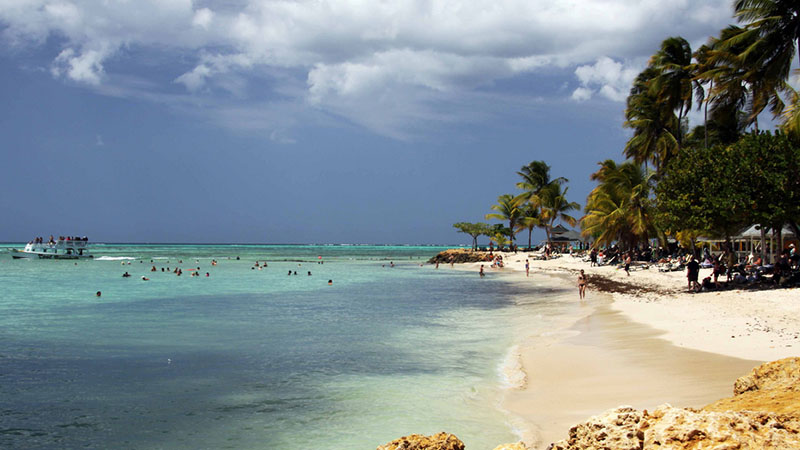
Trinidad and Tobago has become the first Caribbean nation to outline its contribution to a UN climate deal, proposing limited greenhouse gas cuts across three main sectors by 2030.
The government says it will target 15% carbon reductions in power generation, heavy industry and transport over the next 15 years, modelled on a business as usual baseline.
This, says the submission, is equal in absolute terms to slashing 103,000,000 tonnes of CO2 equivalent.
“The estimated cost of meeting this objective is US$2 billion, which is expected to be met partly through domestic funding and conditional on international financing including through the Green Climate Fund,” says the plan, known in UN jargon as an “intended nationally determined contribution” or INDC.
Paris tracker: Who has pledged what for 2015 UN deal?
The proposal means over 50 national plans have now been lodged with the UN, covering nearly 60% of GHG emissions that can be linked with individual countries.
All 195 national parties to the global climate talks have been asked to release their plans by 1 October, to allow the UN to assess if they are sufficient to prevent dangerous levels of warming.
Trinidad and Tobago’s submission took three years to compile, write officials, and involved 175 representatives from various government departments, business and civil society.
The country is the largest oil and gas producer among Caribbean islands, with the industry accounting for 40% of GDP and 80% of exports.
Longer term, officials write they aspire to decouple emissions and economic growth and achieve an “optimal energy mix with the lowest greenhouse gas emissions”.
Temperature increases, sea level rise, changes in precipitation and increased risks of tropical storms are all cited as potential dangers the country could face due to climate change.
“Other vulnerabilities include increased flooding, increased frequency and intensity of hurricanes, hillside erosion and loss of coastal habitats,” they write, emphasising the need for investment to adapt to climate impacts.
According to the national meteorological service, annual mean temperatures warmed 0.8C between 1981 and 2010.
By Ed King
You may also be interested in:
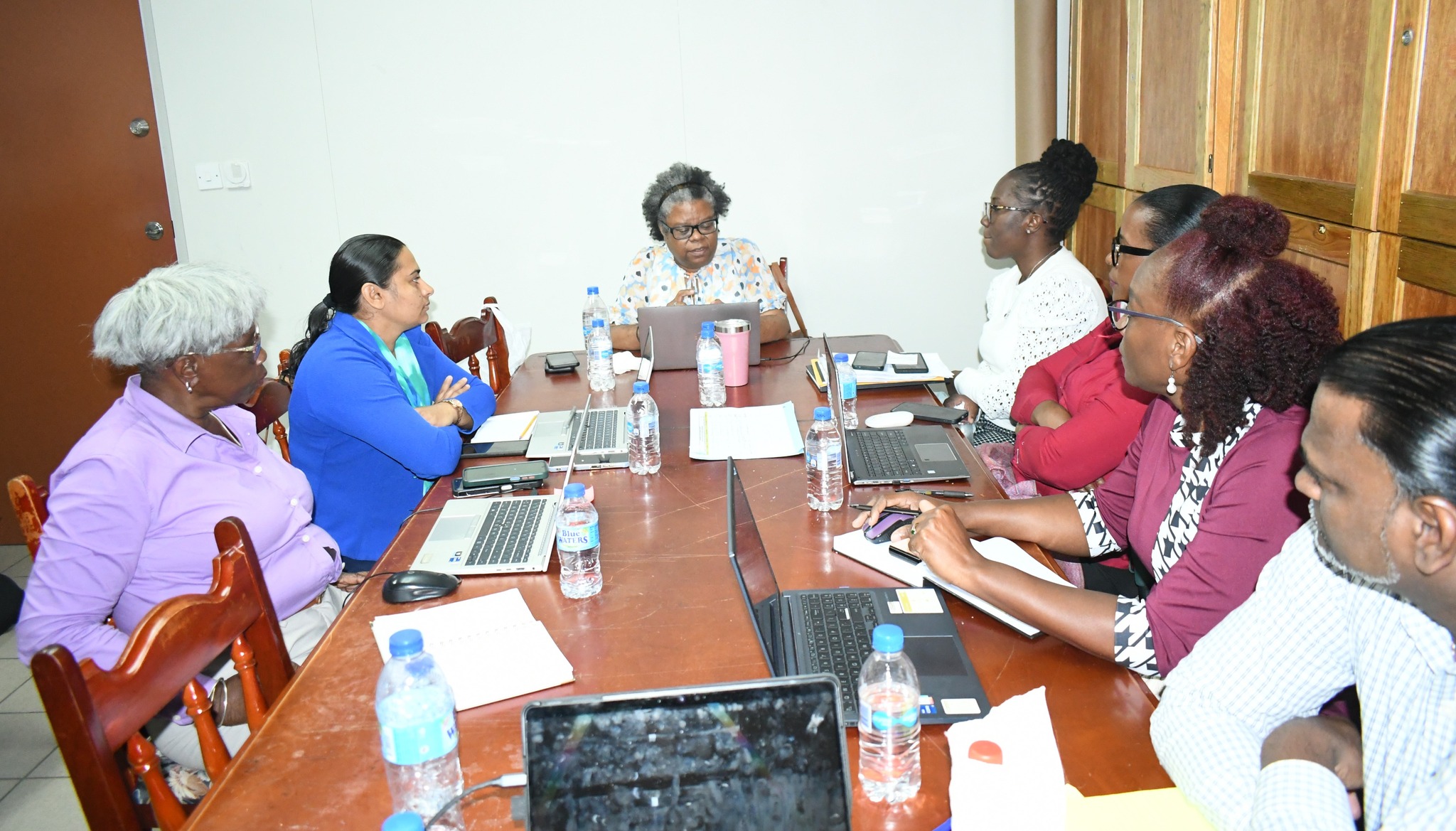
Stakeholders Engage in Consultations to Strengthen National Youth Policy
The Department of Youth Development and Sports, through its Youth Unit, has commenced a four-day series of half-day closed stakeholder consultations aimed at strengthening the development and...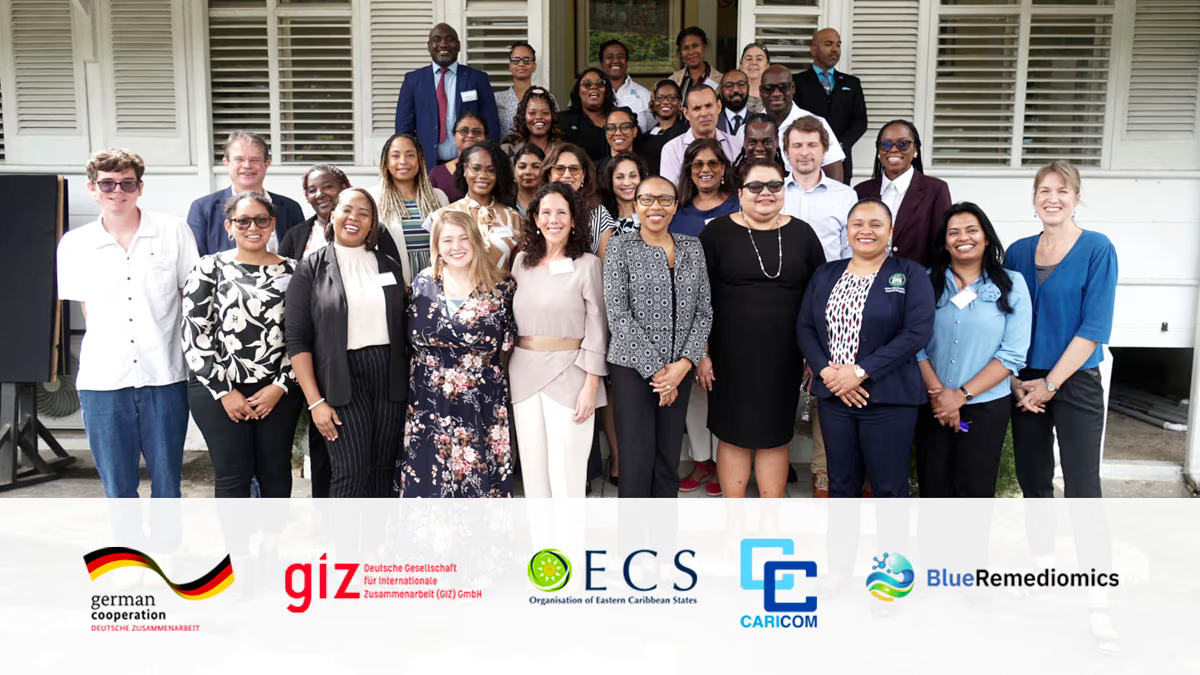
Regional Workshop Strengthens Caribbean Capacity on Genetic Resources
Regional policymakers, scientists, and biodiversity experts gathered from March 3-5, 2026, at The University of the West Indies (UWI), St.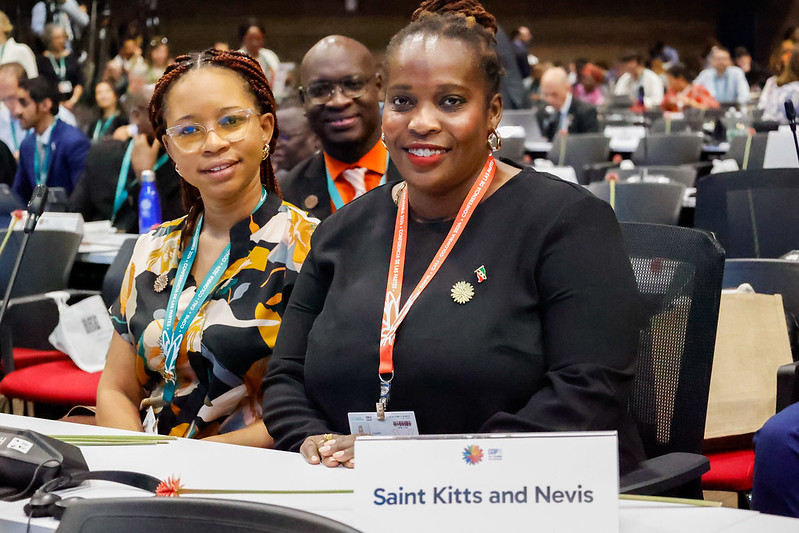
Statement by Hon. Dr. Joyelle Clarke, Minister of Sustainable Development, Environment, Climate Action and Constituency Empowerment of Saint Kitts and Nevis| High-Level Segment, 16th Meeting of the Conference of Parties of the UN Convention on Biological Diversity| Cali, Colombia| 30 October 2024
"The fight for biodiversity cannot be disentangled from the climate crisis. This is why our commitment to the Kunming-Montreal Biodiversity Framework is especially critical and why Saint KittsRelated Stories
CARICOM Ministers see COP28 as a test of the world’s commitment to the most vulnerable
MINISTERIAL STATEMENT COP28 is a milestone for the climate agenda.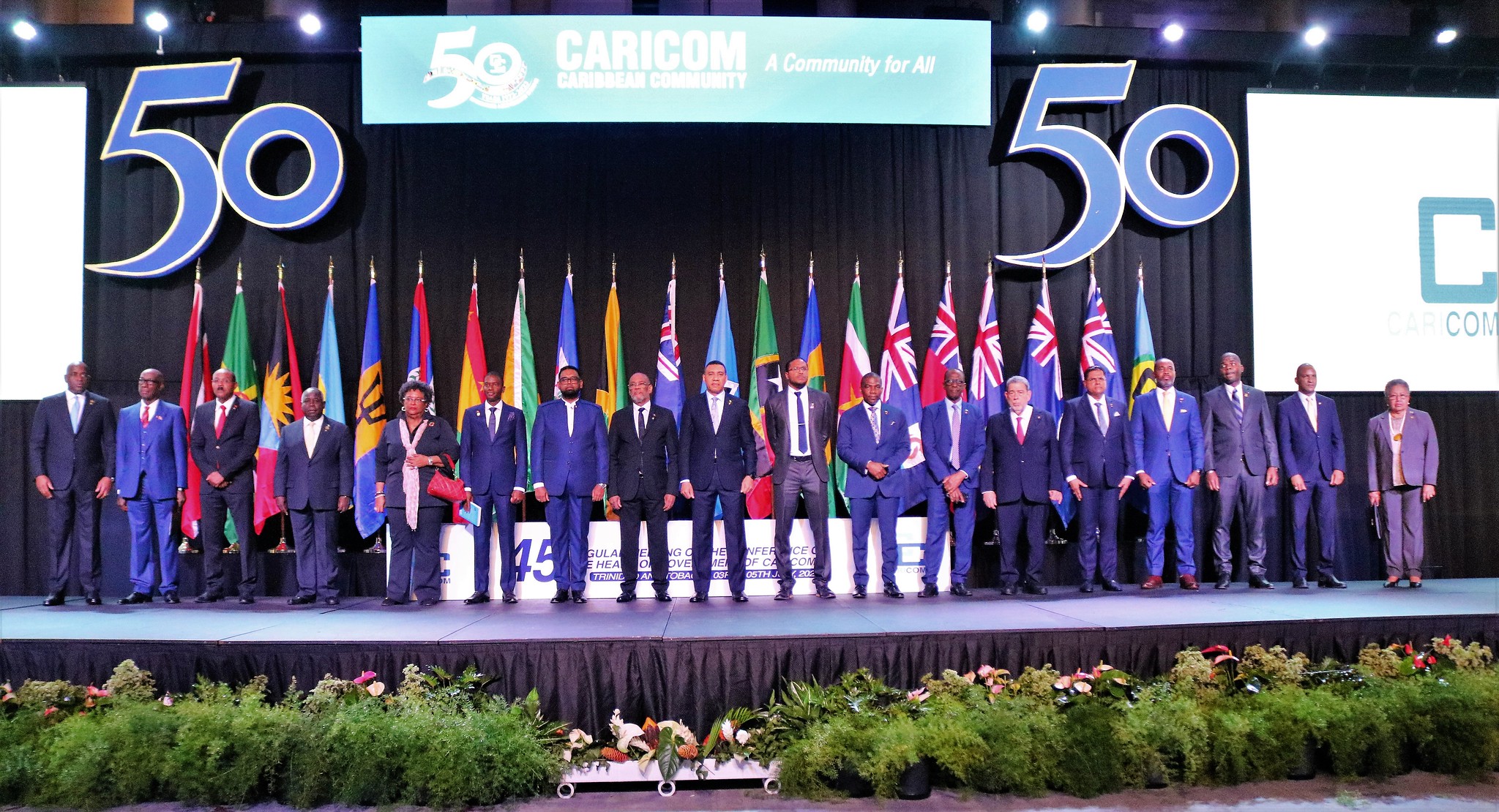
COMMUNIQUE: Forty-Fifth Regular Meeting of the Conference of Heads of Government of CARICOM, Trinidad and Tobago, 3-5 July 2023
The Forty-Fifth Regular Meeting of the Conference of Heads of Government of the Caribbean Community (CARICOM) was held from 3- 5 July 2023.