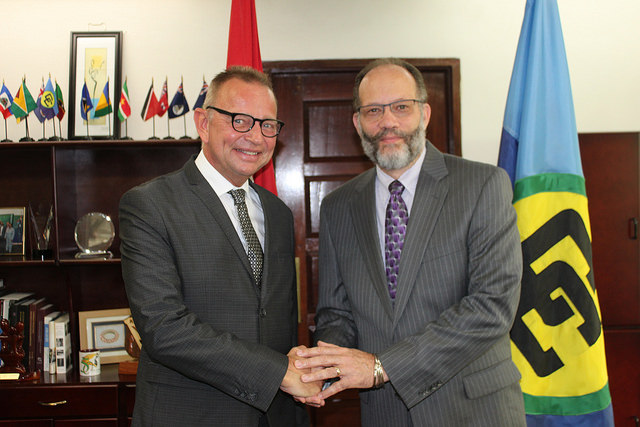
Today is International Day for Disaster Reduction (October 13th 2015)
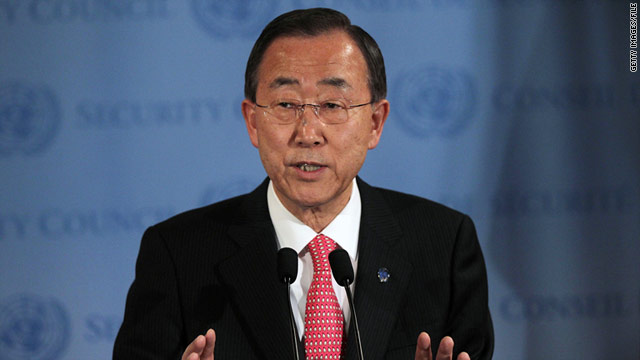
International Day for Disaster Reduction is being observed today under the theme ‘Knowledge for life’.
The United Nations (UN) General Assembly in 1989 designated the second Wednesday of October International Day for Natural Disaster Reduction. The International Day was to be observed annually during the International Decade for Natural Disaster Reduction, 1990-1999.
In December 2009, the General Assembly decided to designate 13 October as the date to commemorate the Day and to change the Day’s name to International Day for Disaster Reduction. The objective of the observance is to raise awareness of how people are taking action to reduce their risk to disasters.
According to the UN, the focus of this year’s International Day for Disaster Reduction is on the traditional, indigenous and local knowledge which complement modern science and add to an individual’s and societies’ resilience. For example, knowledge of early warning signals in nature can be vital to ensuring early action is taken to mitigate the impact of both slow and fast onset disasters such as droughts, heatwaves, storms and floods, the UN said. Combined with scientific knowledge such as reports generated by meteorologists, local knowledge is vital for preparedness and can be passed on from generation to generation, the organisation added.
In a message to mark the occasion, UN Secretary-General called for the recognition of the efforts of communities which put their wisdom to use in reducing disaster risk and sharing their precious “knowledge for life”.
“This year’s observance of the International Day for Disaster Reduction is dedicated to the power of traditional, indigenous and local knowledge,”the Secretary-General said.
UN Secretary-General's Message for 2015
This year’s observance of the International Day for Disaster Reduction is dedicated to the power of traditional, indigenous and local knowledge.
In March 2015 in Sendai, Japan, I met with the President of Vanuatu, His Excellency Baldwin Lonsdale, at the Third UN World Conference on Disaster Risk Reduction. On that very day, his island nation was devastated by Cyclone Pam, one of the strongest storms ever to strike the Pacific.
The force of the storm led to expectations that there would be great loss of life. Thankfully, this was not the case. One reason was that cyclone shelters built in the traditional style from local materials, saved many lives.
Traditional and indigenous knowledge is the indispensable information base for many societies seeking to live in harmony with nature and adapt to disruptive weather events, a warming globe and rising seas.
In Cameroon, low-tech local knowledge passed down from generation to generation helps farmers to cope with drought by soaking maize and bean seeds before planting. Another time-honoured practice -- sprinkling ash over the maize and seeds for a couple of months -- helps keep pests away.
Resilience is the sum of many such acts of disaster risk reduction at the local level.
In the Arctic region, we depend greatly on the local knowledge of indigenous peoples to understand the impacts of climate change, because what happens in the Arctic does not stay in the Arctic.
Changes that affect the availability of traditional food sources highlight the challenge that climate change presents for all of humanity, not just people living in the Arctic.
Local knowledge of the impacts of urbanization, population growth, eco-system decline and greenhouse gas emissions is especially important in an era when more and more disasters are climate- and weather-related.
The Sendai Framework for Disaster Risk Reduction recognizes the importance of community-level engagement in disaster risk reduction. It also underlines how traditional knowledge can complement scientific knowledge in disaster risk management. Building resilience to disasters is also a key feature of the newly adopted Sustainable Development Goals, the framework that will guide our efforts to end poverty and promote shared prosperity on a healthy planet by 2030.
On this International Day, let us recognize the efforts of communities, large and small, who put their wisdom to use in reducing disaster risk and sharing their precious “knowledge for life”.
You may also be interested in:
Stakeholders Engage in Consultations to Strengthen National Youth Policy
The Department of Youth Development and Sports, through its Youth Unit, has commenced a four-day series of half-day closed stakeholder consultations aimed at strengthening the development and...
Regional Workshop Strengthens Caribbean Capacity on Genetic Resources
Regional policymakers, scientists, and biodiversity experts gathered from March 3-5, 2026, at The University of the West Indies (UWI), St.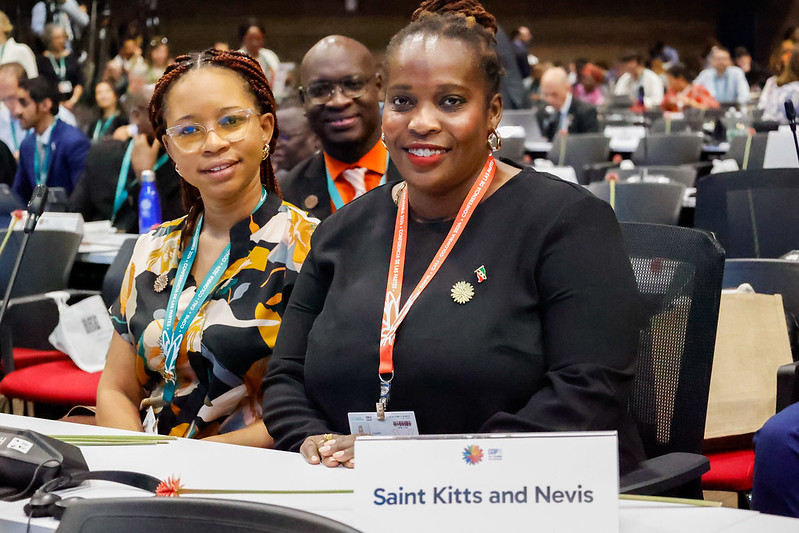
Statement by Hon. Dr. Joyelle Clarke, Minister of Sustainable Development, Environment, Climate Action and Constituency Empowerment of Saint Kitts and Nevis| High-Level Segment, 16th Meeting of the Conference of Parties of the UN Convention on Biological Diversity| Cali, Colombia| 30 October 2024
"The fight for biodiversity cannot be disentangled from the climate crisis. This is why our commitment to the Kunming-Montreal Biodiversity Framework is especially critical and why Saint KittsRelated Stories
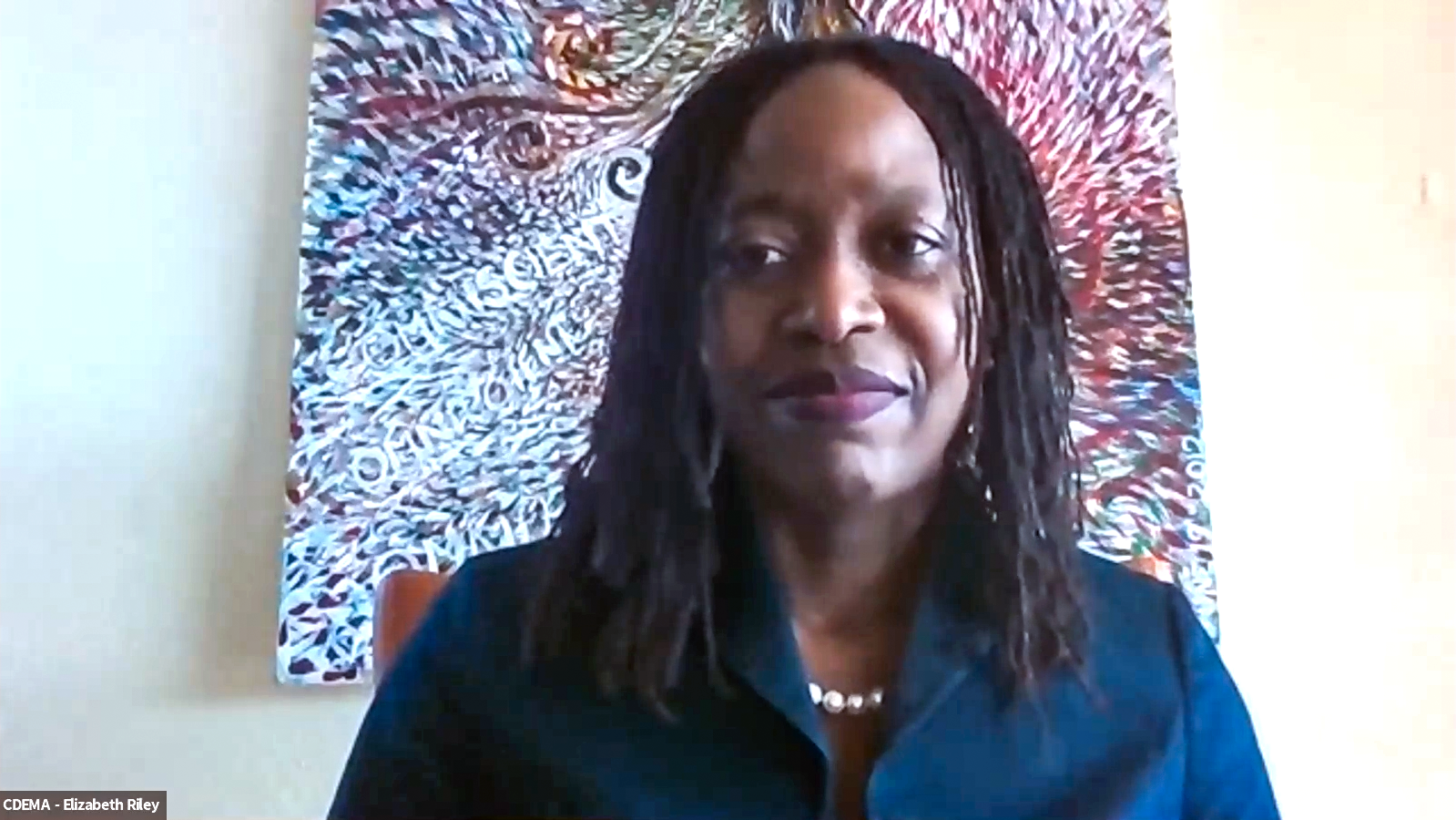
Elizabeth Riley appointed Executive Director of CDEMA
(Caribbean Disaster Emergency Management Agency Press Release) The Chairman of the Council of the Caribbean Disaster Emergency Management Agency (CDEMA), the Honorable Vincent Byron Jr, Attorney...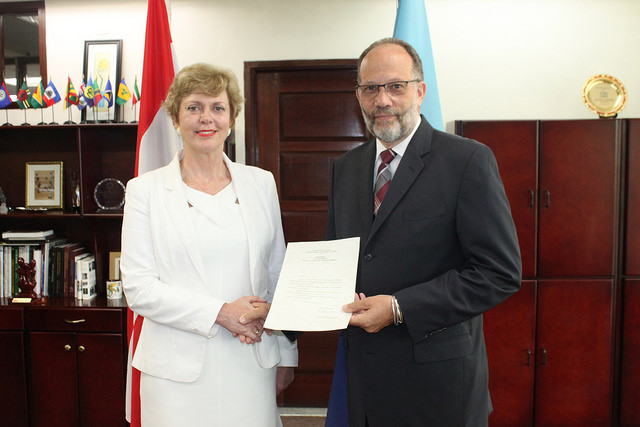
Strong focus on Disaster Prevention/Risk Reduction as CARICOM welcomes new Austrian Ambassador
CARICOM Secretary-General Ambassador Irwin LaRocque accepted the Letters of Credence from the new Austrian Ambassador to the Caribbean Community on Wednesday and delivered the following remarks: .