Time to open the doors for domestic workers, artisans
Shantal Munro-Knight, Executive Director of the Caribbean Policy Development Centre (CPDC), has stressed the need for domestic workers and artisans to have their rights observed under the CSME Free Movement regime.
She told The Barbados Advocate yesterday after a press conference at the Blue Horizon Hotel, “The main point is that these are workers that have been given a right under the free movement regime. Artisans have been given the right in 2006 and domestic workers in 2009 and today in 2015, they can’t use that right because of various reasons that the regime has not been fully implemented to facilitate them. For example, one of the things they need to do is to acquire the skills certificate, they need to get a Caribbean qualification and across the region, the CVQ regime has not been properly implemented. Therefore, you have people who have this right and the things that need to be in place to facilitate the right, they don’t have them.”
The CPDC official indicated, “These are the vulnerable groups that we are focusing on. The University graduates are able to move and the right for the artisans and domestics is to open up the regime to better the livelihood of ordinary citizens, but the regime doesn’t facilitate those groups. The important point we are making to officials is to get your house in order to ensure the people of the region will benefit. Our prin-ciple is people being able to execute their rights.
“Domestic workers and artisans have been granted the right to move and work without a work permit for at least six years, and provisions are still not in place to make that pos-sible in every country. Domestic workers are stressing the implementation of Convention 189; it outlines that member countries recognise domestic work as legitimate work. If you have that in your legislation, then things should line up as to affording them the same respect.
“In the case of artisans, they are not as well organised, therefore it is harder for them to articulate their position. You may have some persons in these groups who may not have all the skills to negotiate at the border and they may be told they don’t have the right to enter the country when they do.”
“One of the things that have come out of our workshop is a high level of illiteracy within those two groups. If you have a system that is highly bureaucratic that becomes an impediment. We made the point the complaints mechanism has to be simple enough... We need to bring the stakeholders together to have a dialogue such as immigration, artisans, etc.,” Munro-Knight noted. (NB)
You may also be interested in:
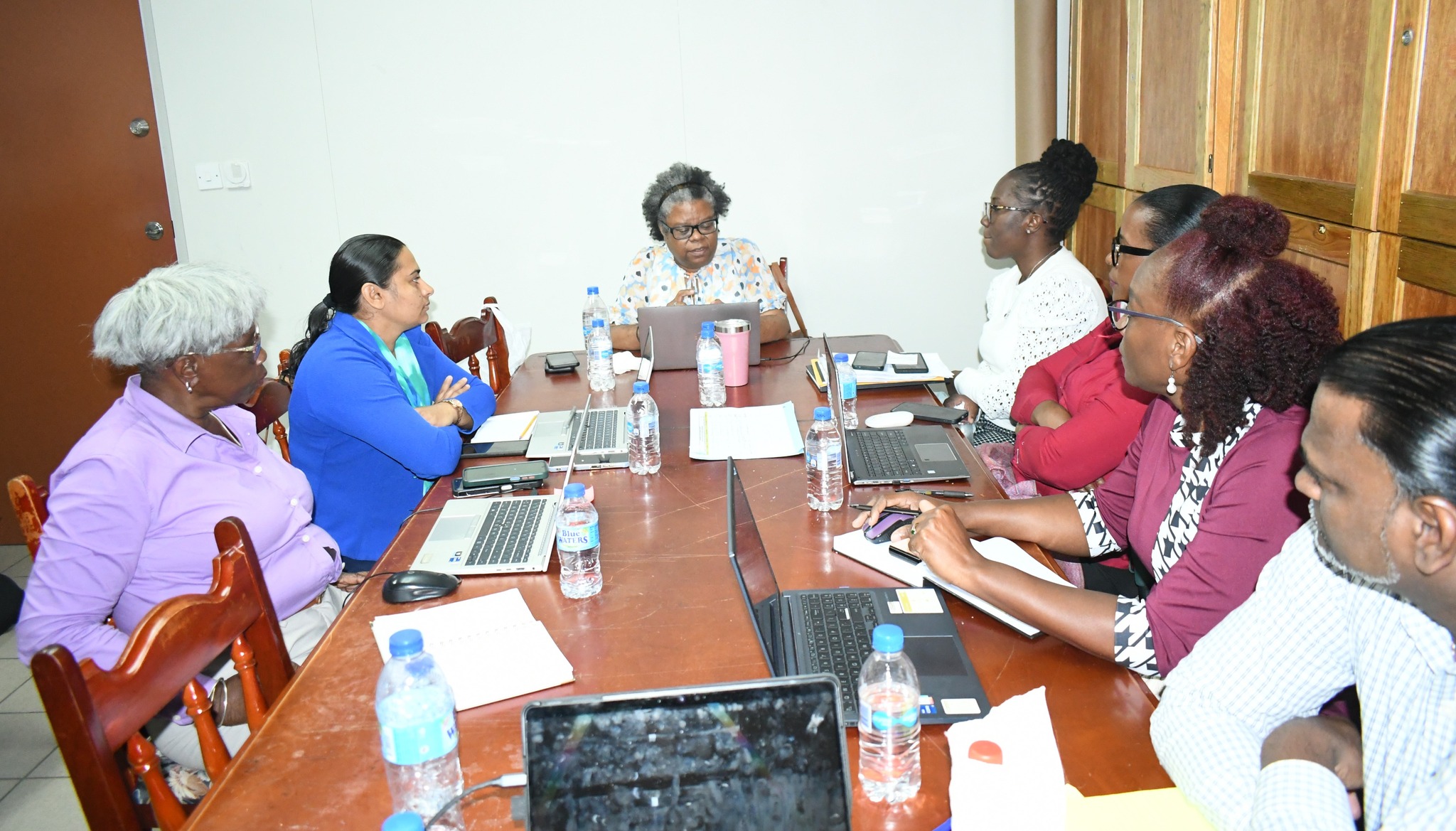
Stakeholders Engage in Consultations to Strengthen National Youth Policy
The Department of Youth Development and Sports, through its Youth Unit, has commenced a four-day series of half-day closed stakeholder consultations aimed at strengthening the development and...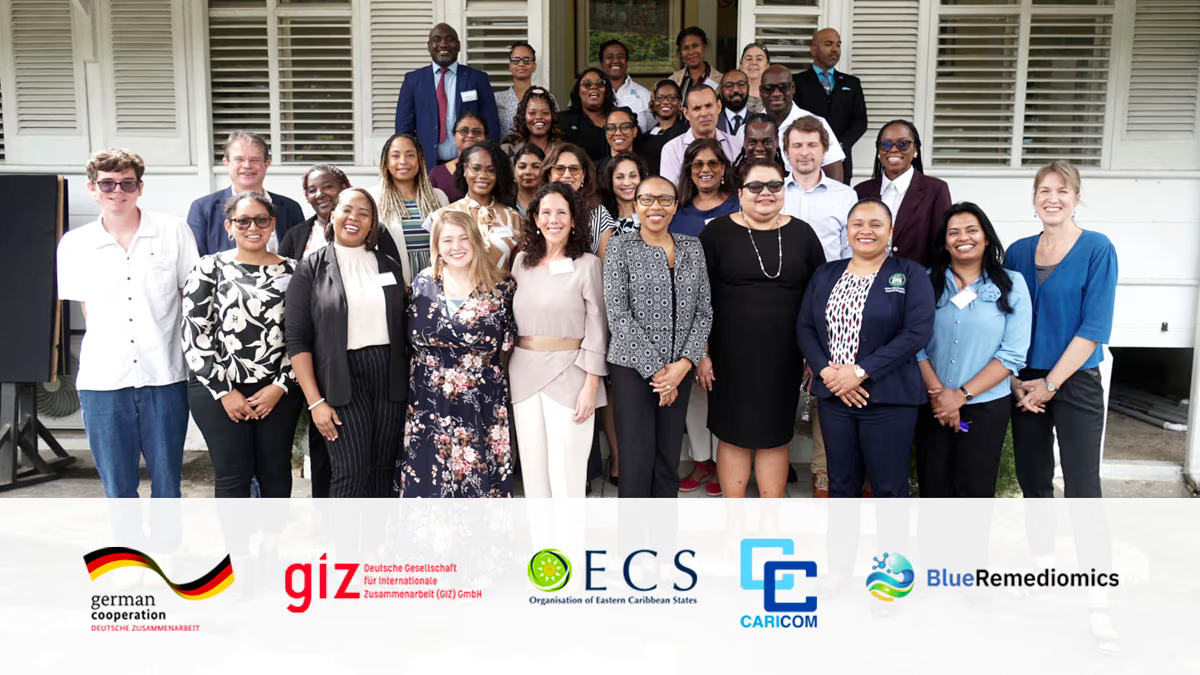
Regional Workshop Strengthens Caribbean Capacity on Genetic Resources
Regional policymakers, scientists, and biodiversity experts gathered from March 3-5, 2026, at The University of the West Indies (UWI), St.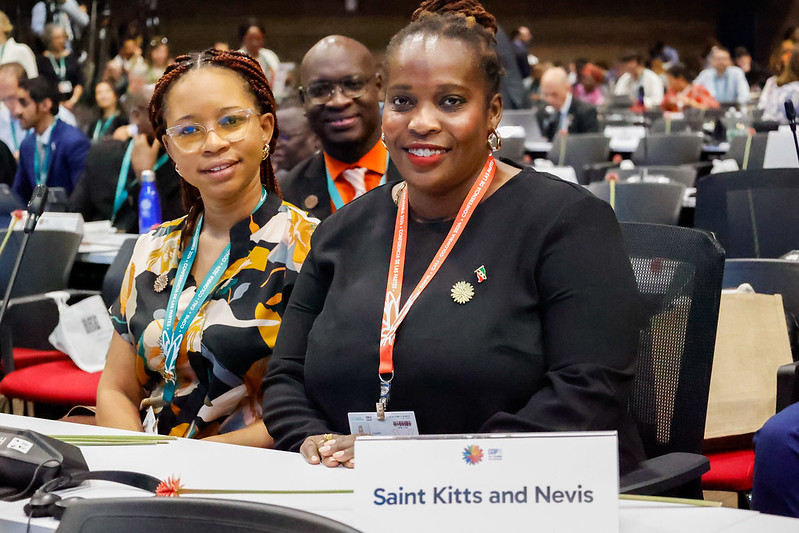
Statement by Hon. Dr. Joyelle Clarke, Minister of Sustainable Development, Environment, Climate Action and Constituency Empowerment of Saint Kitts and Nevis| High-Level Segment, 16th Meeting of the Conference of Parties of the UN Convention on Biological Diversity| Cali, Colombia| 30 October 2024
"The fight for biodiversity cannot be disentangled from the climate crisis. This is why our commitment to the Kunming-Montreal Biodiversity Framework is especially critical and why Saint KittsRelated Stories

CSME, food security, climate finance top agenda of CARICOM Summit in The Bahamas
The CARICOM Single Market and Economy (CSME); food security; climate change and climate finance; health; and security will be among the major topics when Heads of Government of CARICOM Meet in The.