Solving the education challenge
TWO pieces of information published over the last couple of days or so highlight the challenges that some Caribbean countries are facing when it comes to financing higher education.
In the climate of economic difficulties that these small islands continue to experience they are going to be hardpressed in finding adequate solutions to deal with the financing of education.
Yesterday the Trinidad and Tobago Guardian newspaper quoted an economist, Dr Roger Hosein, as saying that the Government there needs to be more prudent in its delivery of the Government Assistance for Tuition Expenses (GATE) programme. He said it should consider an income-contingent loan programme or a graduate tax programme so students repay the fees for their tertiary level education.
“Tertiary level funding in my view just has to be approached differently...” he reasoned, noting that since the Trinidad and Tobago economy has its challenges, “it’s time to cut back on the huge transfers and subsidy outlay that the State currently undertakes.”
Then there is the case in Jamaica where again press reports indicate that some tertiary level students in that island are clueless as to how they will fund their studies. That’s because the country’s Students’ Loan Bureau is yet to identify the one billion dollars necessary for loan applications.
Here in Barbados the story is well known ever since the Government announced that Barbadian students entering the University of the West Indies from the current semester will have to pay their tuition fees, with the Government continuing to finance the economic costs. Further on the Barbados situation the Prime Minister, the Honourable Freundel Stuart, reported two weeks ago that several students who over the years accessed the Student Revolving Loan Fund to finance education are in arrears. In other words, some of them borrowed the money but refused to repay it to the point that the Fund is owed about $24 million.
These days university education is not cheap as the cost of delivery has increased astronomically, not only in Barbados but in several other places.
But just as the cost of tertiary education has risen, Governments are also finding it difficult to come up with resources to make it easier for students to access such studies. Many of them are operating on tight budgets. There are also other demands being made on government financial resources, especially in situations where tax revenues continue either to fall or to remain stagnant. The Guardian report said that in the last eight years, $4.5 billion has been spent on GATE. The figure jumped from $102.1 million in 2004 – 2005 to $757.6 million in 2012 – 2013, mainly due to an increase in student enrolment, Hosein said. Noting it is difficult to say that past governments have pumped too much into GATE, he wants a more sustainable options.
There was a suggestion in Barbados that a small tax or levy be introduced to fund university education. There remains the consensus that, at the end of the day, education helps to drive growth and economic development, and in any case is partly responsible for the material and other gains many of the Caribbean countries have achieved.
So in a nutshell it cannot be left there. Action is needed and the sooner the better.
You may also be interested in:
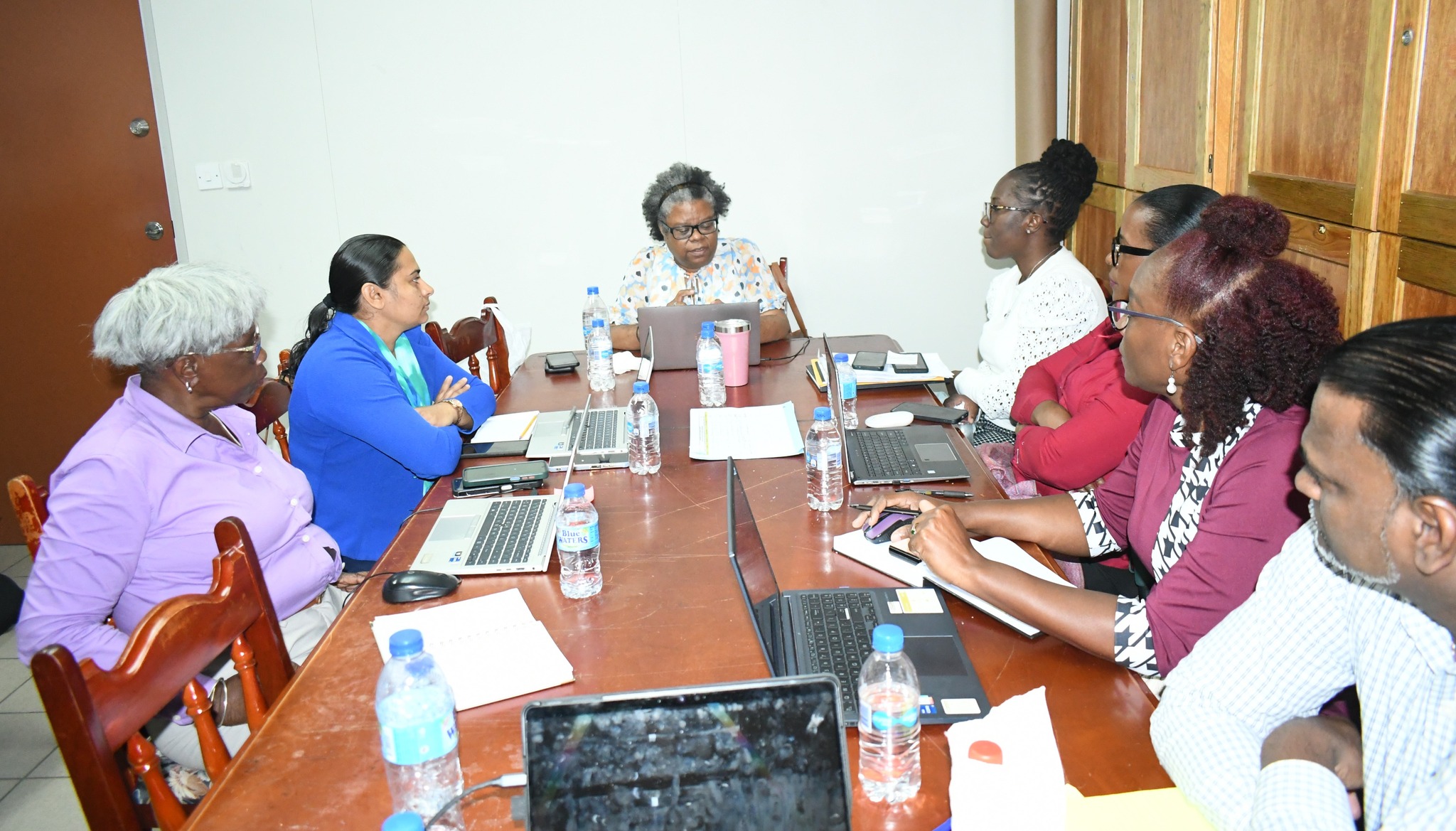
Stakeholders Engage in Consultations to Strengthen National Youth Policy
The Department of Youth Development and Sports, through its Youth Unit, has commenced a four-day series of half-day closed stakeholder consultations aimed at strengthening the development and...
Regional Workshop Strengthens Caribbean Capacity on Genetic Resources
Regional policymakers, scientists, and biodiversity experts gathered from March 3-5, 2026, at The University of the West Indies (UWI), St.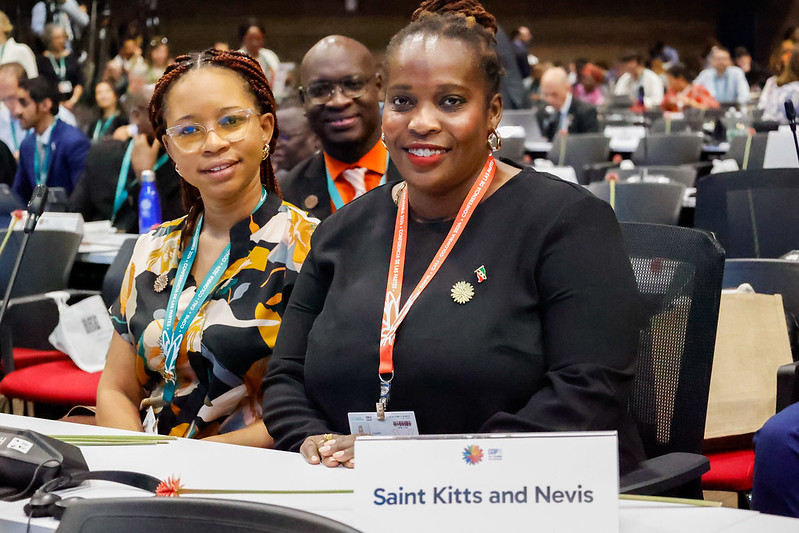
Statement by Hon. Dr. Joyelle Clarke, Minister of Sustainable Development, Environment, Climate Action and Constituency Empowerment of Saint Kitts and Nevis| High-Level Segment, 16th Meeting of the Conference of Parties of the UN Convention on Biological Diversity| Cali, Colombia| 30 October 2024
"The fight for biodiversity cannot be disentangled from the climate crisis. This is why our commitment to the Kunming-Montreal Biodiversity Framework is especially critical and why Saint KittsRelated Stories
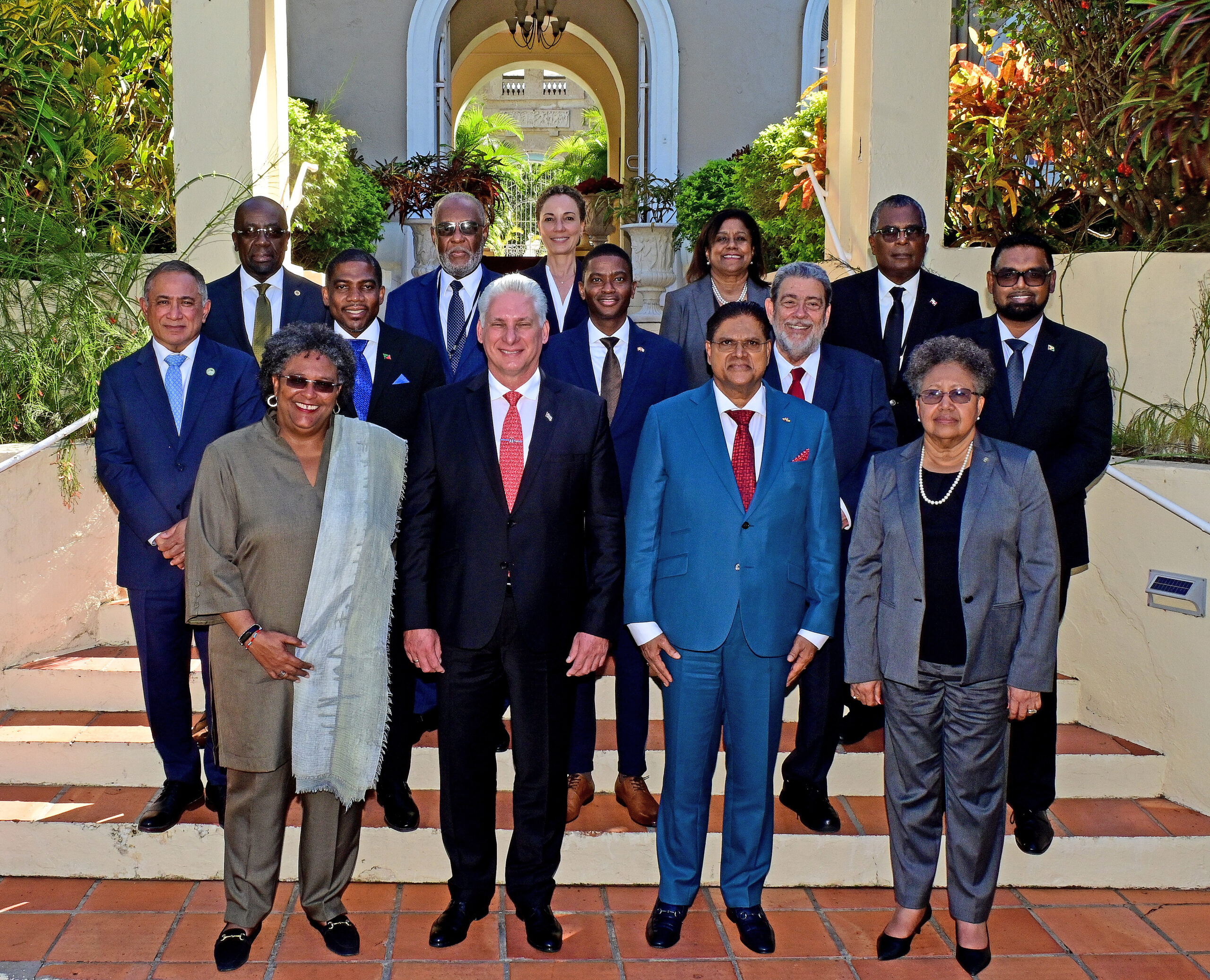
The Bridgetown Declaration – Eighth CARICOM-Cuba Summit, Bridgetown, Barbados, 6 December 2022
IN PHOTO: (Front Row, L-R) Prime Minister of Barbados, Hon Mia Amor Mottley; President of Cuba H.E. Miguel Díaz-Canel Bermúdez; President of Suriname and Chairman of CARICOM, H.E.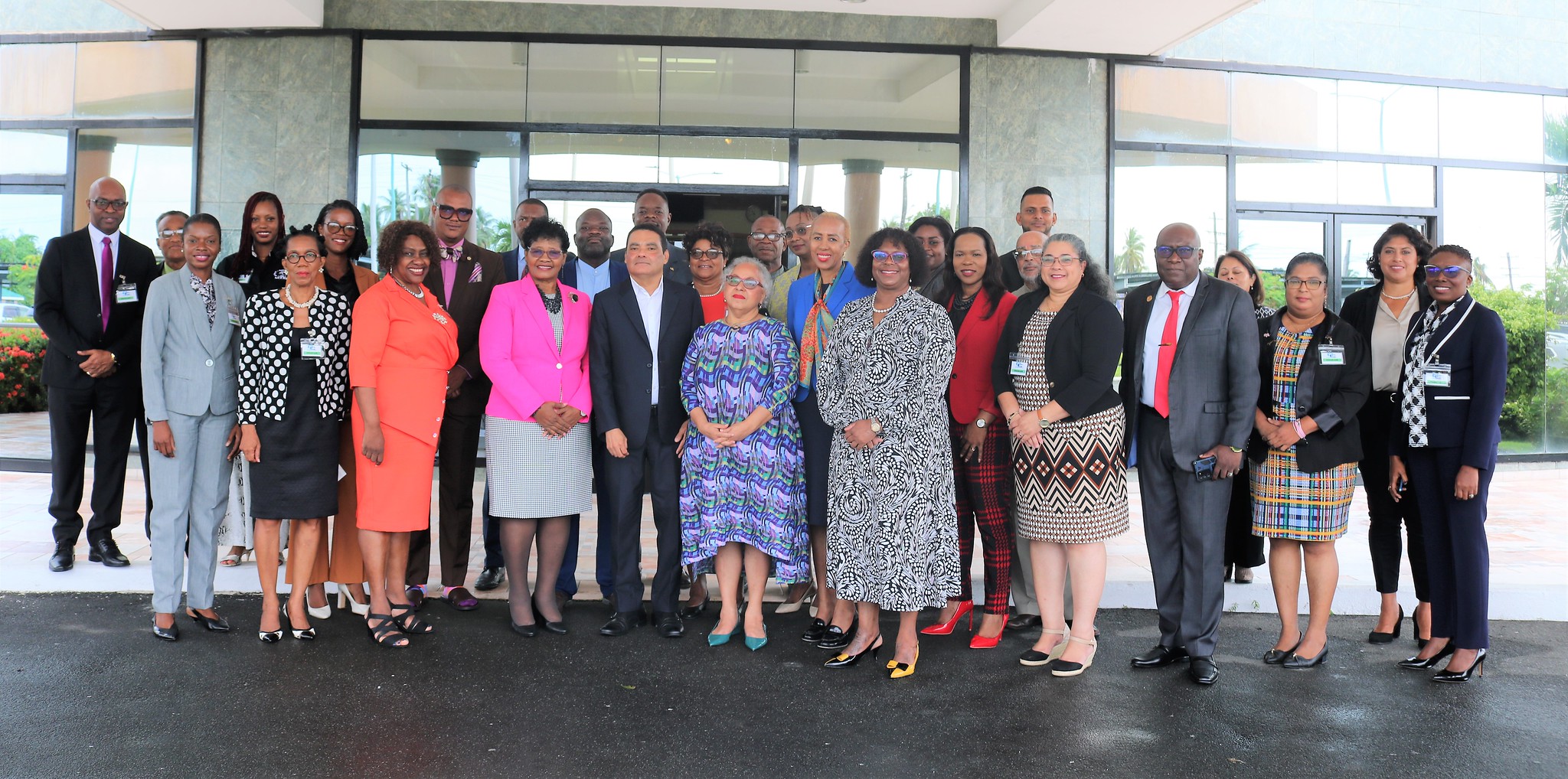
Communique issued at the end of the 44th Meeting of the Council for Human and Social Development (COHSOD) - Education, 13-14 October 2022, CARICOM Secretariat Headquarters, Georgetown, Guyana
The Forty-Fourth Meeting of the Council for Human and Social Development (COHSOD) of the Caribbean Community (CARICOM) was held on 13-14 October 2022, under the theme “Education as and for...