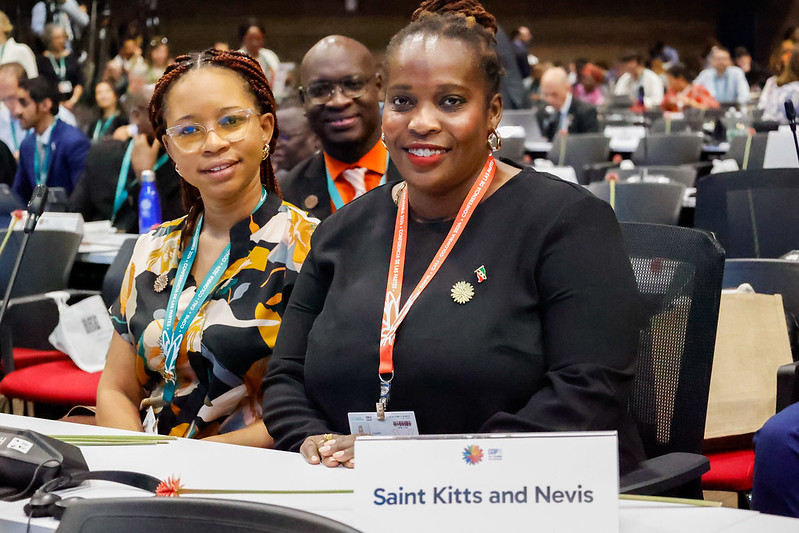
Small states, big problems: size does matter
KINGSTON, Jamaica - FOR decades the small developing states of the world, led by the advocacy of Caricom, have been at pains to explain to the world that their economies are very vulnerable to adverse external events, to which they have severely limited capacity for adjustment.
On this basis their structural features, inability to attain economies of scale and their dependence on one or two sources of foreign exchange earnings, small developing countries have campaigned for special and differential treatment in the form of exceptions, lower obligations, concessions in market access to developed countries, longer implementation periods, extended adjustment schedules and development aid. Above all, these countries have made the case that one size does not fit all.
Small states and their spokespersons are often viewed by the developed countries and multilateral institutions, in particular the World Bank, as at best desultory and at worst disingenuous mendicants unwilling to fend for themselves. Economists, both in academia and in public policy, who explain the peculiar problems faced by small states are regarded as misguided.
You may also be interested in:
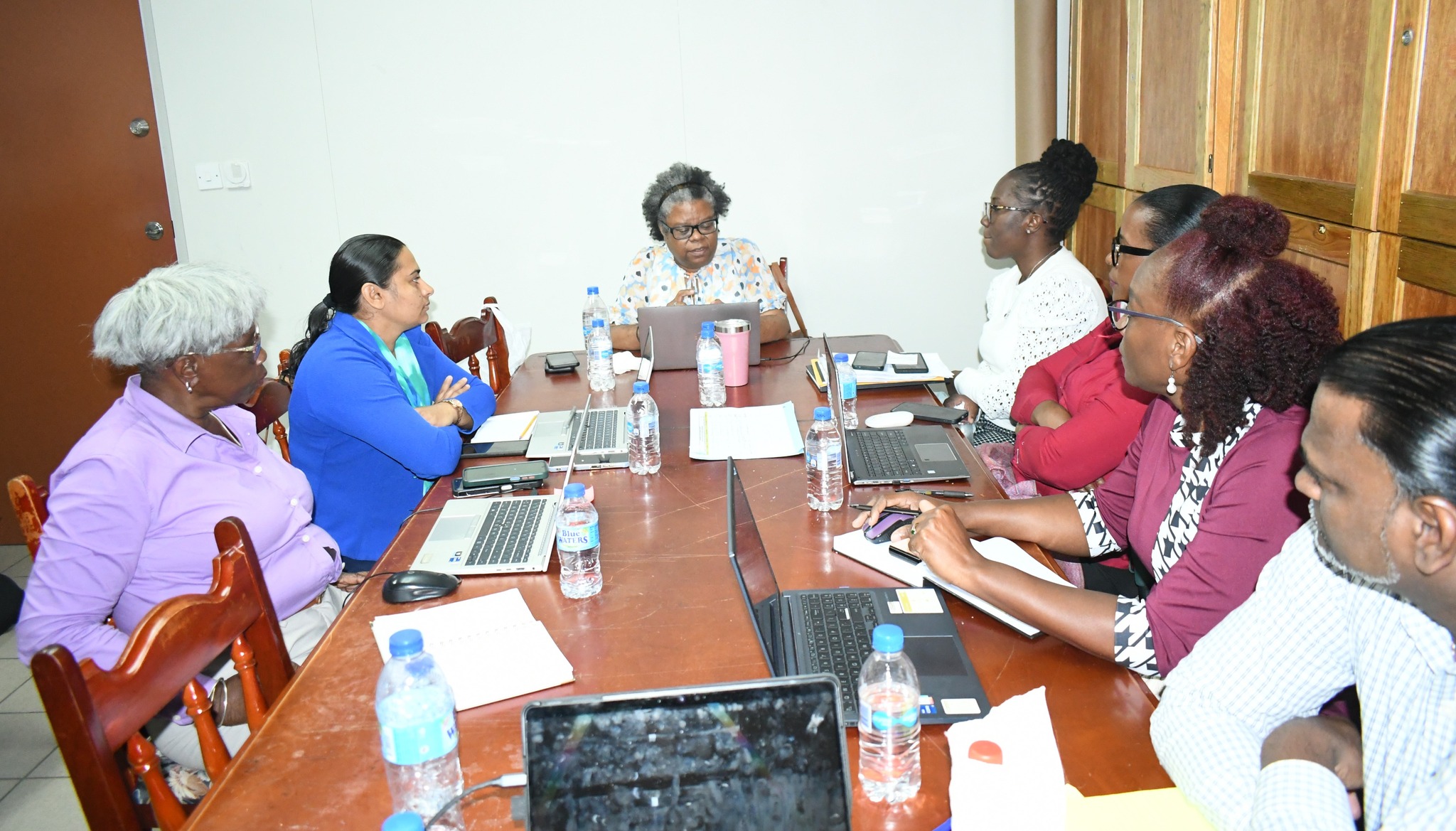
Stakeholders Engage in Consultations to Strengthen National Youth Policy
The Department of Youth Development and Sports, through its Youth Unit, has commenced a four-day series of half-day closed stakeholder consultations aimed at strengthening the development and imple