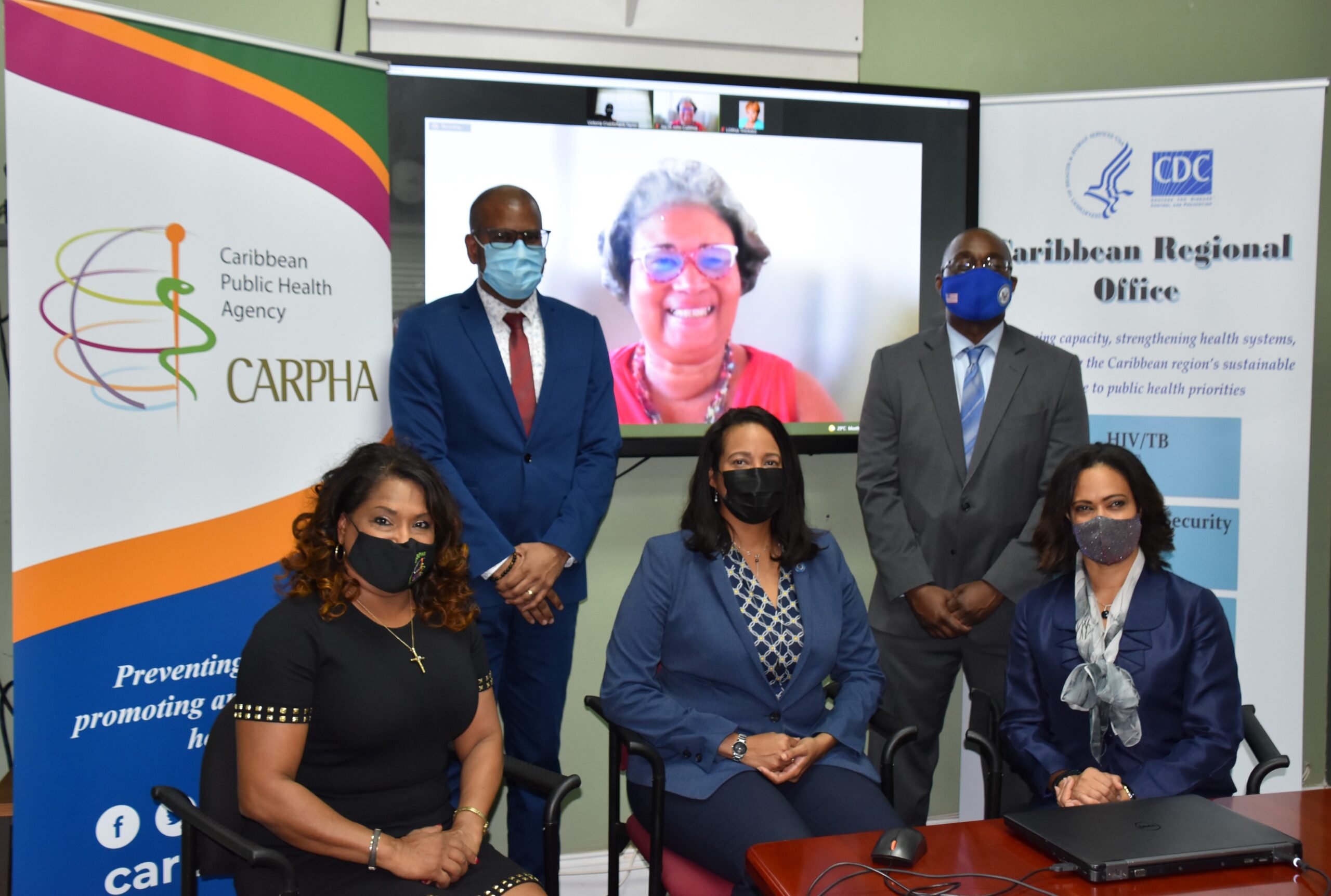
Risk of Ebola in the Caribbean “Low”
Port-of-Spain, Trinidad and Tobago, August 06, 2014: The Caribbean Public Health Agency (CARPHA) says the risk of the Ebola Virus Disease (EVD) being imported to the Caribbean is low. Executive Director of CARPHA, Dr. C. James Hospedales said "There have been no confirmed cases of Ebola in the Caribbean, and overall, the risk of becoming infected with the Ebola virus in this Region remains low. He added that in countries where the virus is present, people who have direct contact with the organs, blood, or other bodily fluids of dead or living infected persons or animals are those at greatest risk."
Following an increase in the number of cases of Ebola Virus Disease (EVD) in Guinea, Liberia and Sierra Leone recently, and reported cases in Nigeria in the last few days, CARPHA evaluated the risk of importation of the disease to the Caribbean region, including the risk to Caribbean travellers in the affected areas in West Africa.
The current outbreak occurring in Africa affects four countries, Guinea, Liberia, Nigeria and Sierra Leone, and according to the World Health Organization in these countries, there have been 1,711 confirmed cases of EVD and 932 deaths as at August 04, 2014. This makes it the largest EVD outbreak ever reported, both in terms of cases and the geographical spread. As a result the World Health Organization is beginning a two day emergency meeting today to discuss new measures to tackle the Ebola virus.
"Ebola, spreads through mucous and other body fluids or secretions such as stool, urine, saliva and semen of infected people. In the unlikely event of a person infected with Ebola travelling to the Caribbean, the available evidence shows that the risk of secondary transmission to direct close contacts (family or relatives) or in healthcare settings is still considered very low, if appropriate prevention measures are implemented. The risk from casual contact, such as shaking hands or sitting next to someone who is not displaying symptoms is also likely to be very low," reiterated Dr. Hospedales.
Once basic precautions are followed, the risk of infection is considered to be “very low” for tourists, visitors or residents in the affected areas. These precautions include avoiding physical contact with patients showing symptoms or dead bodies and their bodily fluids, as well as avoiding unprotected sexual contact with a patient that has recently recovered from the disease.
As with any other imported disease, Ebola virus is causing a lot of concern in the Region. In this regard, CARPHA is committed to supporting its member states to adequately prepare for potential cases and to implement the necessary steps to protect healthcare facilities, patients, healthcare workers and communities.
NOTE FOR EDITORS
The Caribbean Public Health Agency (CARPHA) is the new single regional public health agency for the Caribbean. It was legally established in July 2011 by an Inter-governmental Agreement signed by Caribbean Member States and began operation in January 2013. The Agency rationalises public health arrangements in the Region by combining the functions of five Caribbean Regional Health Institutions (RHIs) into a single agency. They are:
The Caribbean Environmental Health Institute (CEHI)
The Caribbean Epidemiology Centre (CAREC)
The Caribbean Food and Nutrition Institute (CFNI)
The Caribbean Health Research Council (CHRC)
The Caribbean Regional Drug Testing Laboratory (CRDTL)
CARPHA brings these RHIs together as one strong force under a public health umbrella where issues requiring a regional response can be addressed.
For further information on Ebola, please visit the CARPHA website at www.carpha.org.
You may also be interested in:
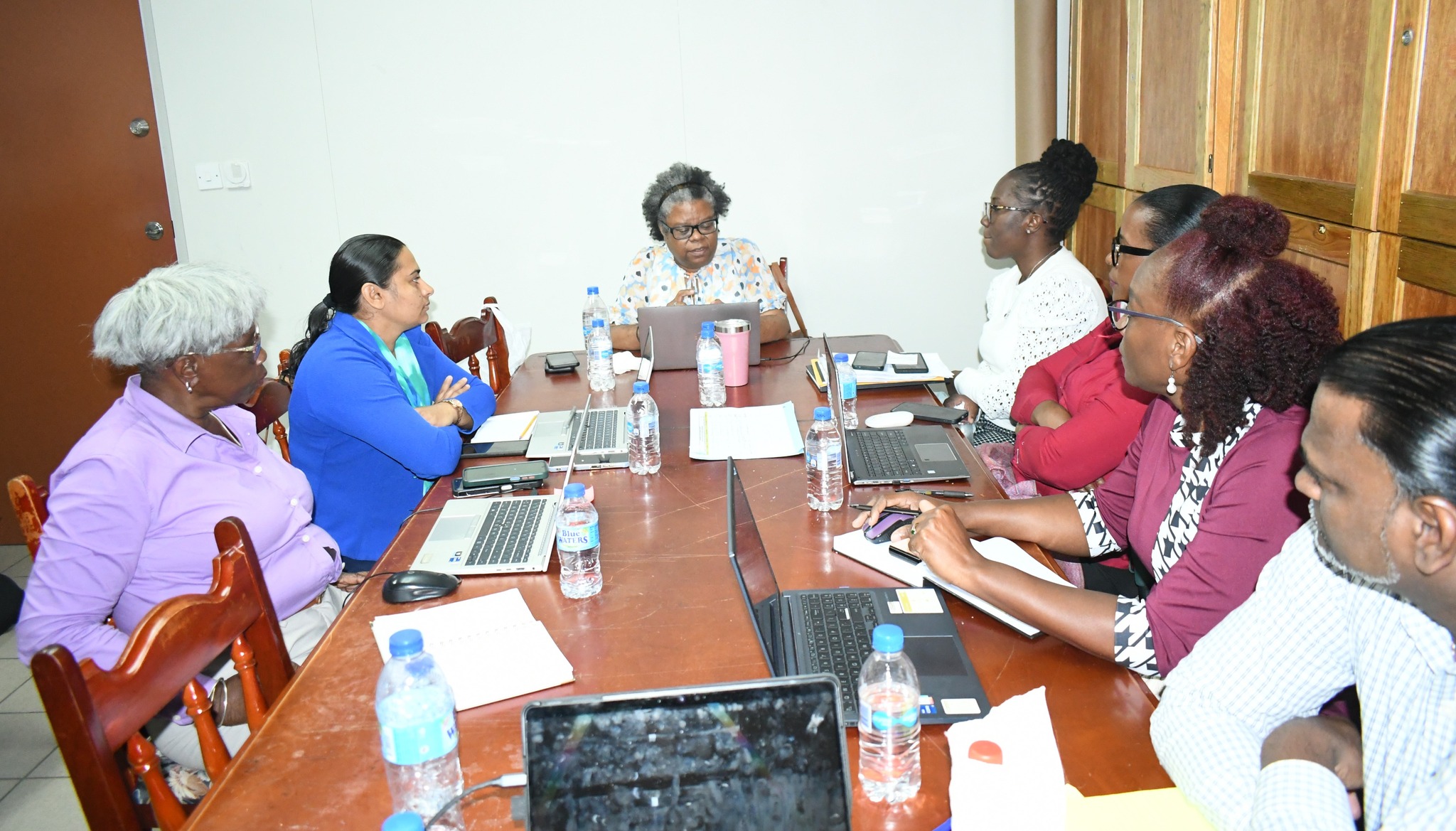
Stakeholders Engage in Consultations to Strengthen National Youth Policy
The Department of Youth Development and Sports, through its Youth Unit, has commenced a four-day series of half-day closed stakeholder consultations aimed at strengthening the development and...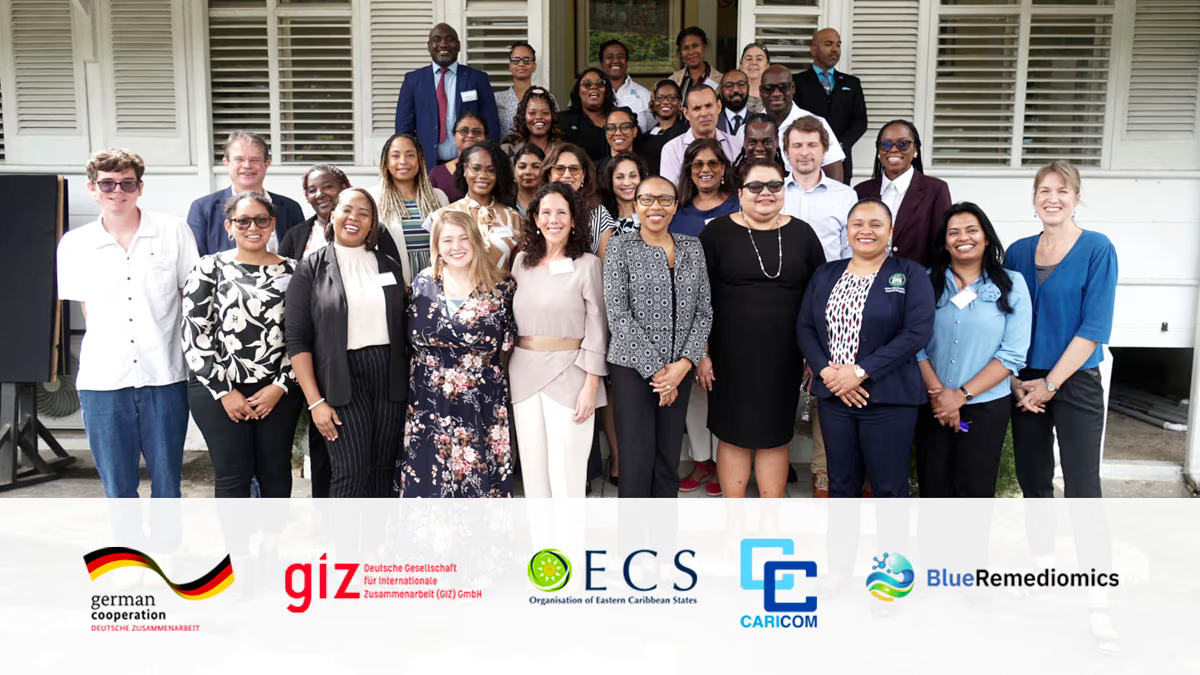
Regional Workshop Strengthens Caribbean Capacity on Genetic Resources
Regional policymakers, scientists, and biodiversity experts gathered from March 3-5, 2026, at The University of the West Indies (UWI), St.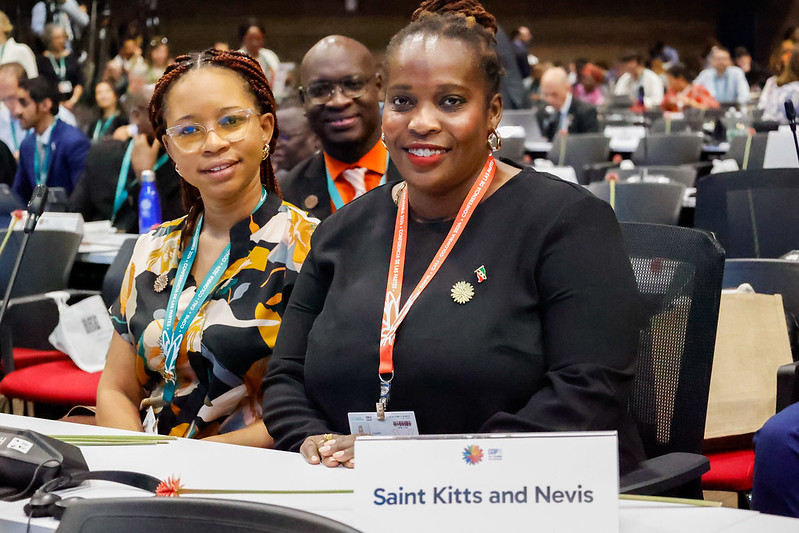
Statement by Hon. Dr. Joyelle Clarke, Minister of Sustainable Development, Environment, Climate Action and Constituency Empowerment of Saint Kitts and Nevis| High-Level Segment, 16th Meeting of the Conference of Parties of the UN Convention on Biological Diversity| Cali, Colombia| 30 October 2024
"The fight for biodiversity cannot be disentangled from the climate crisis. This is why our commitment to the Kunming-Montreal Biodiversity Framework is especially critical and why Saint KittsRelated Stories
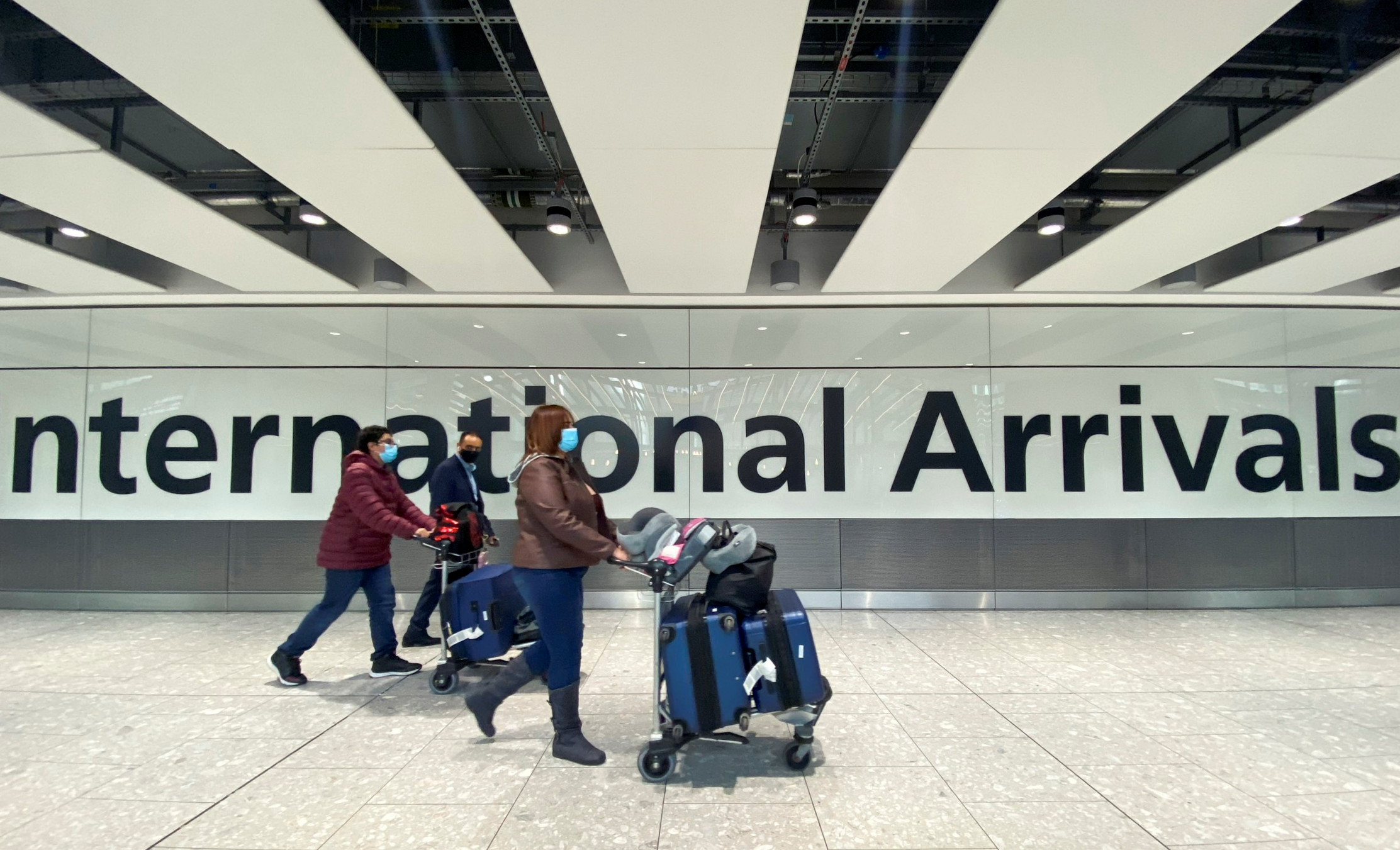
CARPHA: The Decision to Impose Travel Entry Requirements Belongs to the National Authorities
Port of Spain, Trinidad and Tobago.
World Diabetes Day 2021
“Diabetes causes death and disability. Complications from diabetes can lead to heart attack, stroke, blindness, kidney failure and lower limb amputation. This disease can adversely affect both...