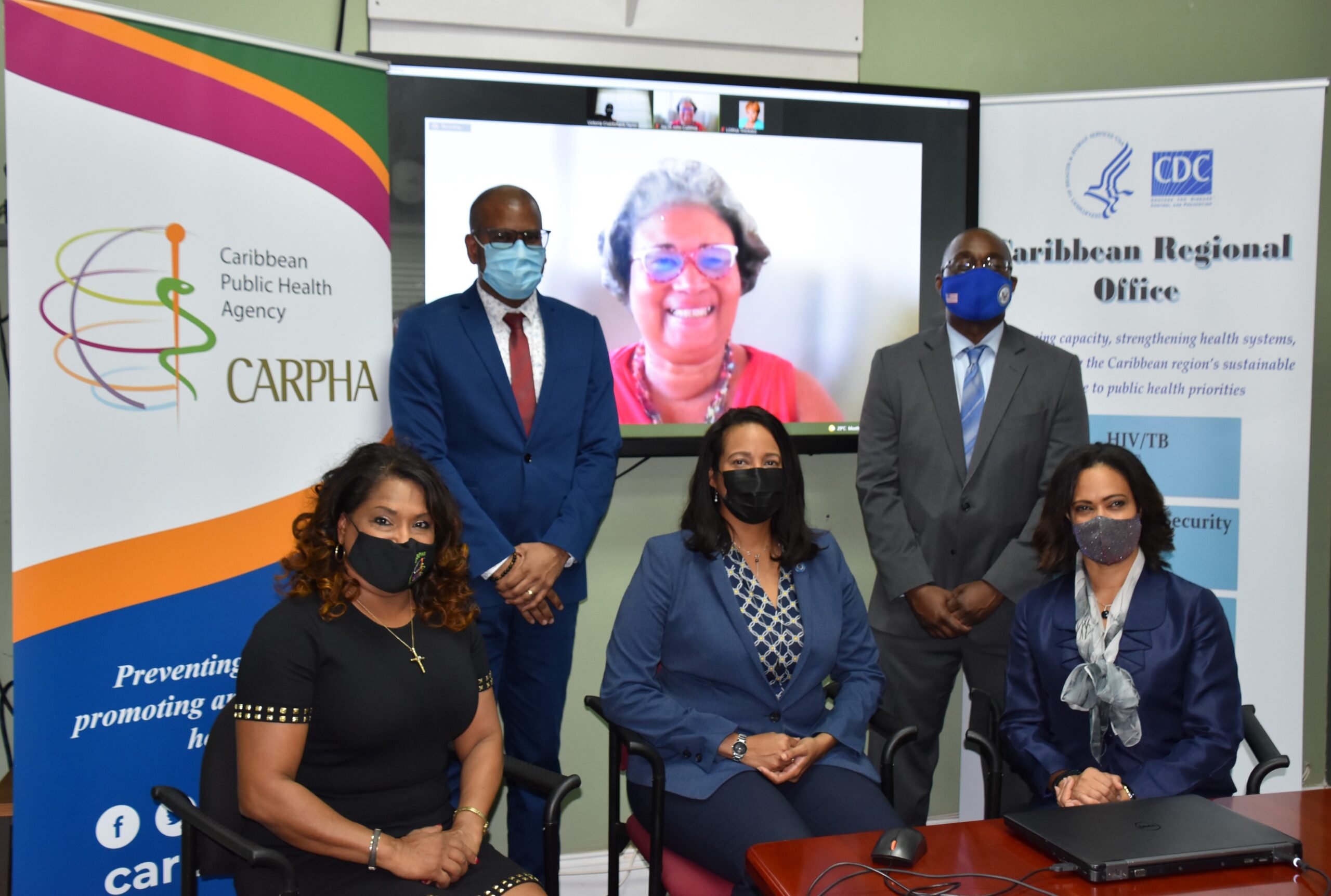
Regional Laboratories Prepare To Detect And Respond To New And Emerging Diseases
“Public health laboratories play a critical role in the fight against communicable diseases, specifically vector-borne diseases, to better prepare the Region to detect and respond to new and emerging threats,” stated Dr Karen Polson-Edwards, Acting Director, Surveillance, Disease Prevention and Control at CARPHA.
Dr Polson-Edwards was speaking at the opening of a two-day technical and policy forum for laboratory directors from 19 English and Dutch speaking public health laboratories across the Region. The meeting also included delegates from the Centers for Disease Control and Prevention (CDC), Pan American Health Organization (PAHO), Council of Ministers of Health of Central America and the Dominican Republic (COMISCA), and the Caribbean Med Labs Foundation (CMLF).
The aim of the forum was to share activities, achievements and strategic priorities, inform of technical laboratory advances, and exchange lessons-learned from the most-affected countries. The meeting discussed and sought to establish consensus on regional and country-specific needs and action plans for laboratory preparedness and technical capacity development training, with specific focus on the Zika Virus and other outbreak prone diseases.
Dr Polson-Edwards highlighted CARPHA’s role in assisting Member States to strengthen capacity in the testing of arboviral diseases, especially in response to the recent Zika outbreak. She underscored the function of laboratories in the long-term development of the Roadmap for Regional Health Security, not only for diagnosis of new and emerging pathogens, but also in areas of biosafety and biosecurity. Delegates were urged to use the opportunity to strengthen linkages with regional partners to mutually develop a tangible plan for capacity building of regional public health laboratories.
The meeting endeavoured to promote and ensure long-term sustainability, and country ownership of ongoing laboratory preparedness and response activities jointly implemented by multiple technical assistance teams and national partners. Various initiatives, including the growth of networks such as the Caribbean Public Health Laboratory Network (CariPHLN) and the Caribbean Vector-Borne Diseases Network (CariVecNet), were discussed and the strengths, weaknesses and gaps in regional laboratory systems were reviewed.
The meeting was organized by the Caribbean Public Health Agency (CARPHA) and Training Programs in Epidemiology and Public Health Interventions Network (TEPHINET), a program of the Task Force for Global Health. Support for the forum was provided by the Bureau for Global Health, U.S. Agency for International Development, under the terms of an Interagency Agreement with the Centers for Disease Control and Prevention (CDC).
You may also be interested in:
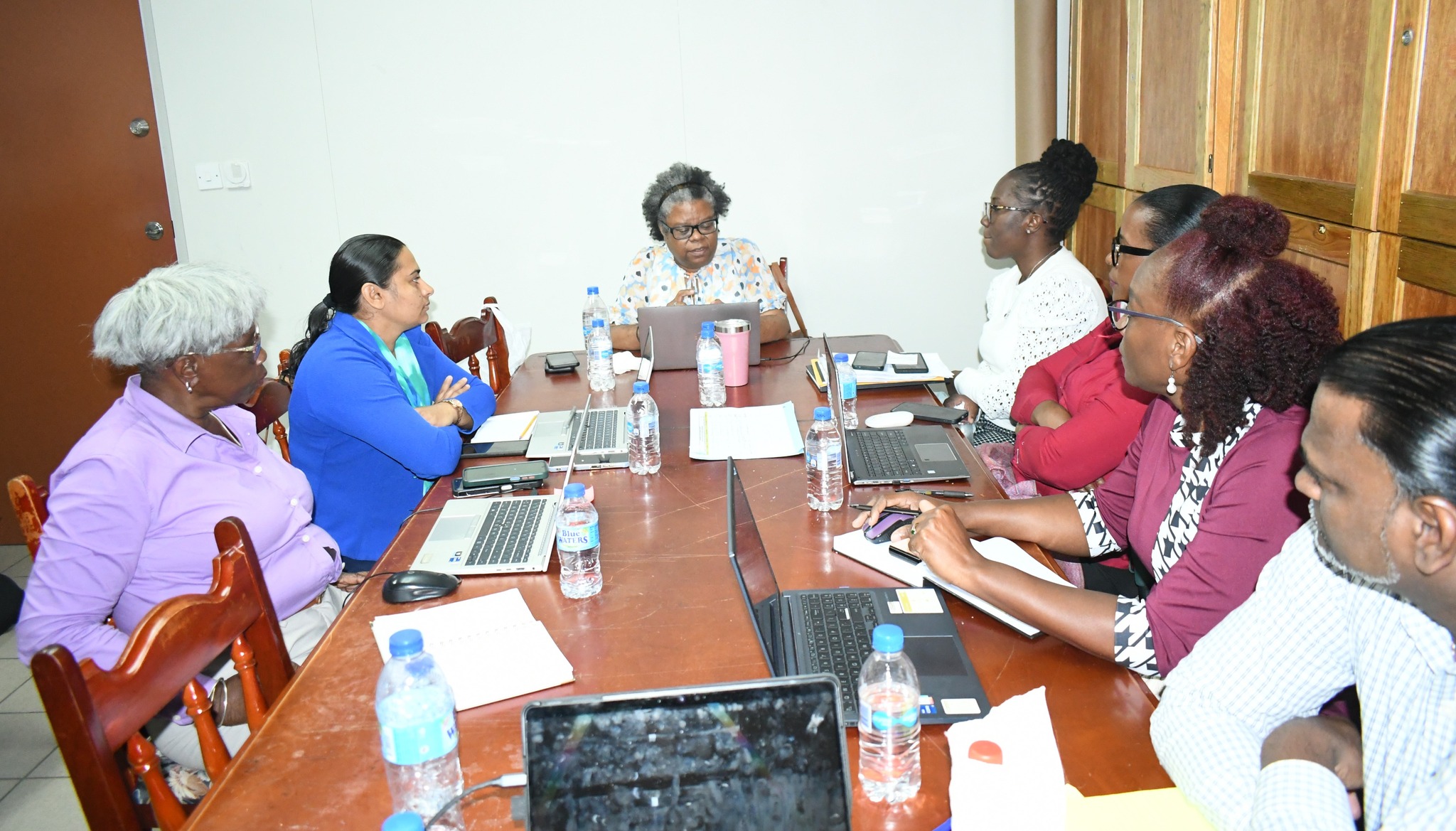
Stakeholders Engage in Consultations to Strengthen National Youth Policy
The Department of Youth Development and Sports, through its Youth Unit, has commenced a four-day series of half-day closed stakeholder consultations aimed at strengthening the development and...
Regional Workshop Strengthens Caribbean Capacity on Genetic Resources
Regional policymakers, scientists, and biodiversity experts gathered from March 3-5, 2026, at The University of the West Indies (UWI), St.
Statement by Hon. Dr. Joyelle Clarke, Minister of Sustainable Development, Environment, Climate Action and Constituency Empowerment of Saint Kitts and Nevis| High-Level Segment, 16th Meeting of the Conference of Parties of the UN Convention on Biological Diversity| Cali, Colombia| 30 October 2024
"The fight for biodiversity cannot be disentangled from the climate crisis. This is why our commitment to the Kunming-Montreal Biodiversity Framework is especially critical and why Saint KittsRelated Stories

CARPHA: The Decision to Impose Travel Entry Requirements Belongs to the National Authorities
Port of Spain, Trinidad and Tobago.
World Diabetes Day 2021
“Diabetes causes death and disability. Complications from diabetes can lead to heart attack, stroke, blindness, kidney failure and lower limb amputation. This disease can adversely affect both...