
Reasons to Have Hope in Haiti, One By One
Jun 24, 2013
More than most countries, Haiti seems to be defined by its statistics: 80% of the population living below the poverty line; the poorest country in the Western Hemisphere; 316,000 killed in the 2010 earthquake; 52.9% literacy rate; the average Haitian earns $1,300 per year. We could go on. On numbers alone, one is tempted to think of Haiti as a lost cause — a hopeless monolith of misery not worth our time or concern. That's where a lot of people begin and end on Haiti.
You may also be interested in:
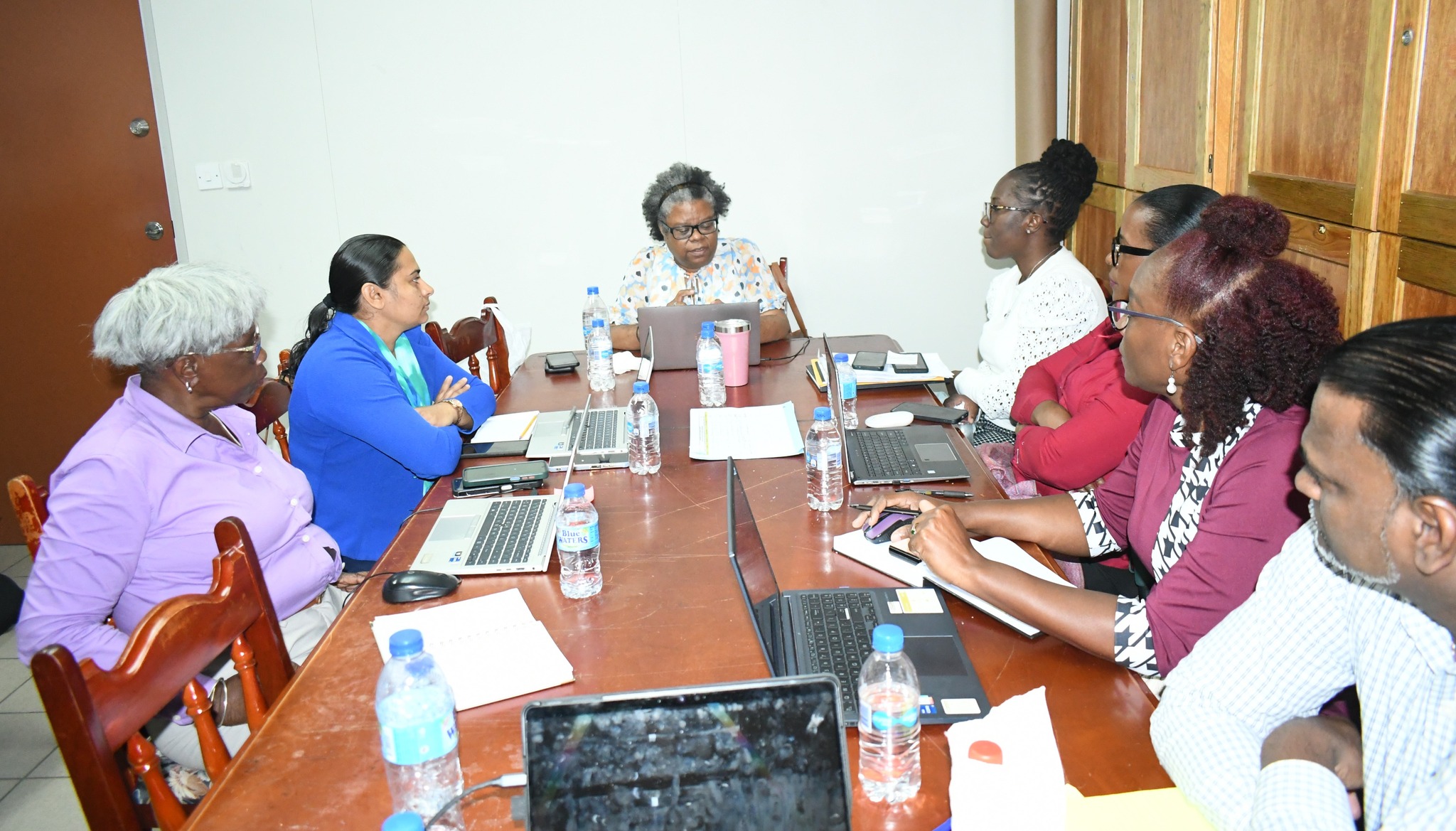
Stakeholders Engage in Consultations to Strengthen National Youth Policy
The Department of Youth Development and Sports, through its Youth Unit, has commenced a four-day series of half-day closed stakeholder consultations aimed at strengthening the development and...
caricom_admin
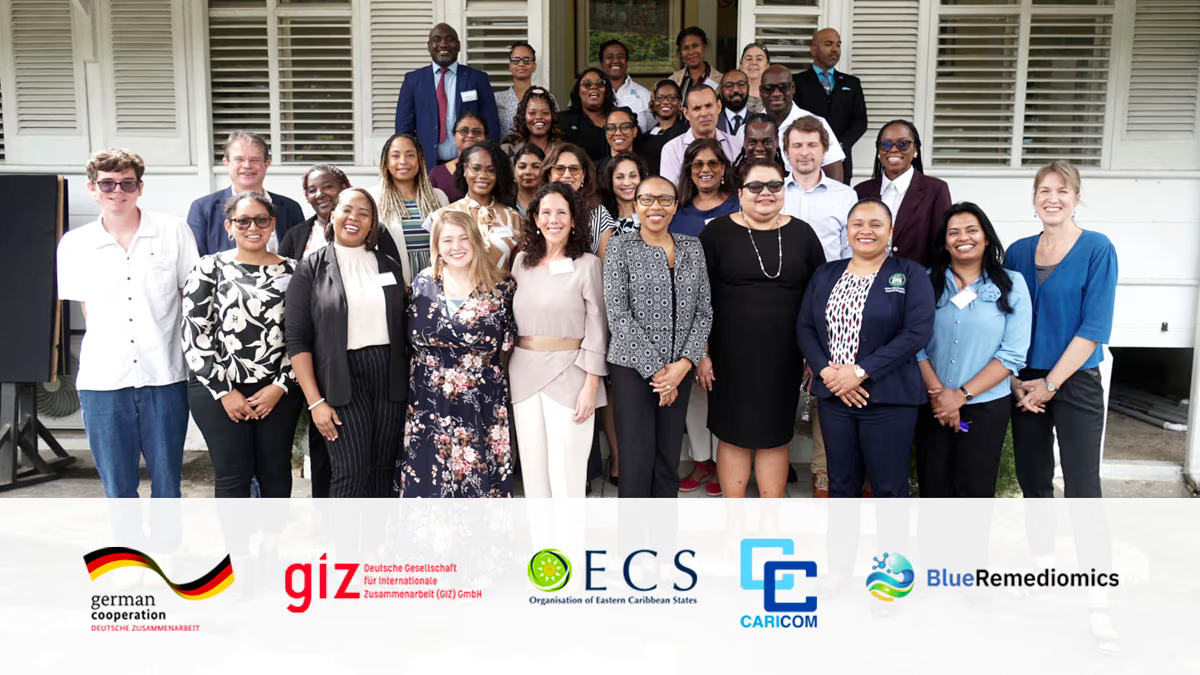
Regional Workshop Strengthens Caribbean Capacity on Genetic Resources
Regional policymakers, scientists, and biodiversity experts gathered from March 3-5, 2026, at The University of the West Indies (UWI), St.
caricom_admin
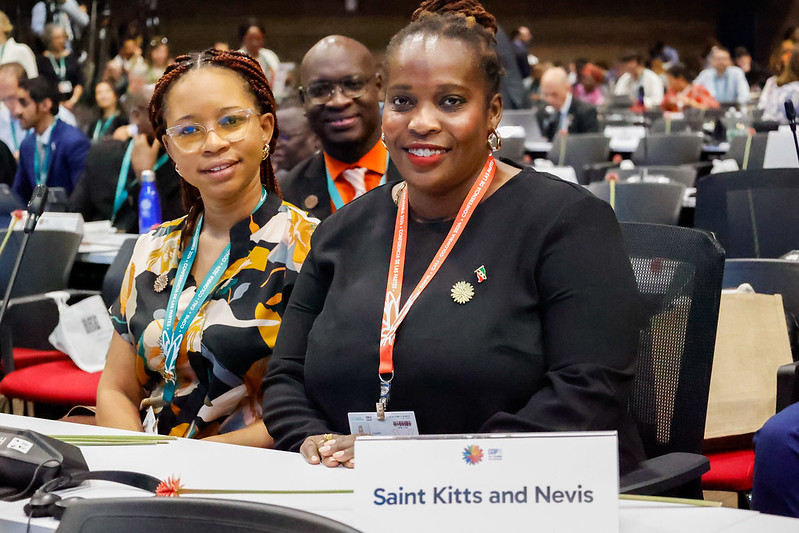
Statement by Hon. Dr. Joyelle Clarke, Minister of Sustainable Development, Environment, Climate Action and Constituency Empowerment of Saint Kitts and Nevis| High-Level Segment, 16th Meeting of the Conference of Parties of the UN Convention on Biological Diversity| Cali, Colombia| 30 October 2024
"The fight for biodiversity cannot be disentangled from the climate crisis. This is why our commitment to the Kunming-Montreal Biodiversity Framework is especially critical and why Saint Kitts
Anonymous