PAHO says caribbean achieved nearly all health targets of un millennium development goals
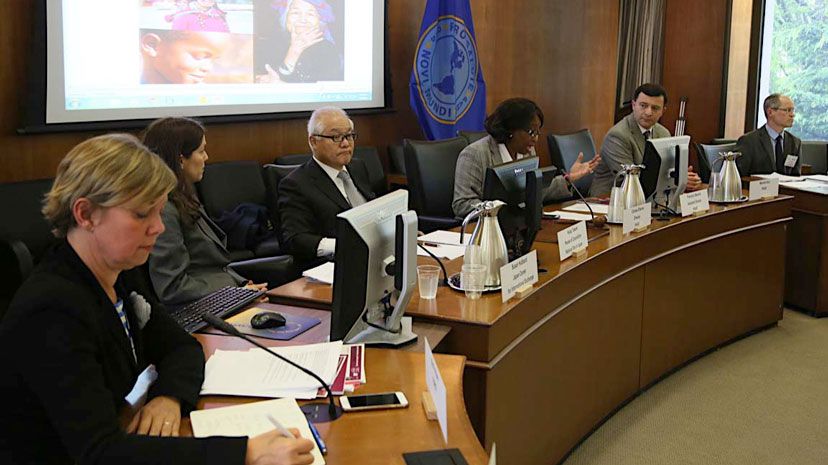
WASHINGTON, Oct 11, CMC – The Pan American Health Organization (PAHO) says Caribbean countries have met almost all the health targets of the United Nation’s Millennium Development Goals (MDGs).
“As the result of 15 years of efforts, the countries of the hemisphere significantly improved the health of their populations,” said Kira Fortune, acting chief of PAHO’s Special Programme on Sustainable Development and Health Equity.
In a report presented to the PAHO’s 55th Directing Council here, Fortune said “today, the people of the region are living longer, healthier lives thanks to the MDGs.
“They are at less risk of dying from malaria, and babies are more likely to survive childbirth and reach five years of age,” she added.
To promote human development, the international community has endorsed the MDGs in 2000 at the United Nations, making a commitment to tackle important issues for the future of humankind, such as the eradication of extreme poverty, environmental conservation, and the protection and promotion of people’s health, among others.
The new PAHO report shows that the targets related to eradicating extreme poverty and hunger (MDG1), reducing child mortality (MDG4) and ensuring environmental sustainability (MDG7) were all achieved between 1990 and 2015.
PAHO said MDG6 (combating HIV/AIDS, malaria, and other diseases) was partly achieved, and progress was made toward MDG5 (improving maternal mortality), although the goal was not met.
As the report explains, the proportion of underweight children under age five in Latin America and the Caribbean dropped by 63 per cent between 1990 and 2013, and the proportion of the population unable to meet minimum food requirements was reduced by 60 per cent, from 69 million people in 1990 to less than 37 million in 2015.
The report says that mortality in children under five in Latin America and the Caribbean fell by 66 per cent (from 43 to 15per 1,000 live births) between 1990 and 2015, and mortality among children under one in the Americas was reduced by 62 per cent (from 34 to 13 per 1,000 livebirths) in the same period.
PAHO said regional countries have managed to halt the spread of HIV and began to reduce its prevalence.
According to the report, HIV prevalence in Latin America and the Caribbean fell from 0.28 per cent in 1990 to 0.17 per cent in 2015.
The goal of providing access to treatment for all those who need it was not achieved, although the rate of coverage did improve significantly, to 44 per cent, the report states.
It says malaria cases and deaths dropped sharply (64 per cent and 78 per cent, respectively, between 2000 and 2013), as did tuberculosis prevalence and mortality.
The estimated incidence of tuberculosis fell from 56 to 26 cases per 100,000 population between 1990 and 2015.
Almost 95 per cent of the inhabitants of the Americas had access to drinking water, according to the World Health Organization (WHO) and the United Nation Children’s Fund (UNICEF) calculations, while the proportion of the population lacking access to improved sanitation services dropped by 48.5 per cent between 1990 and 2015.
You may also be interested in:
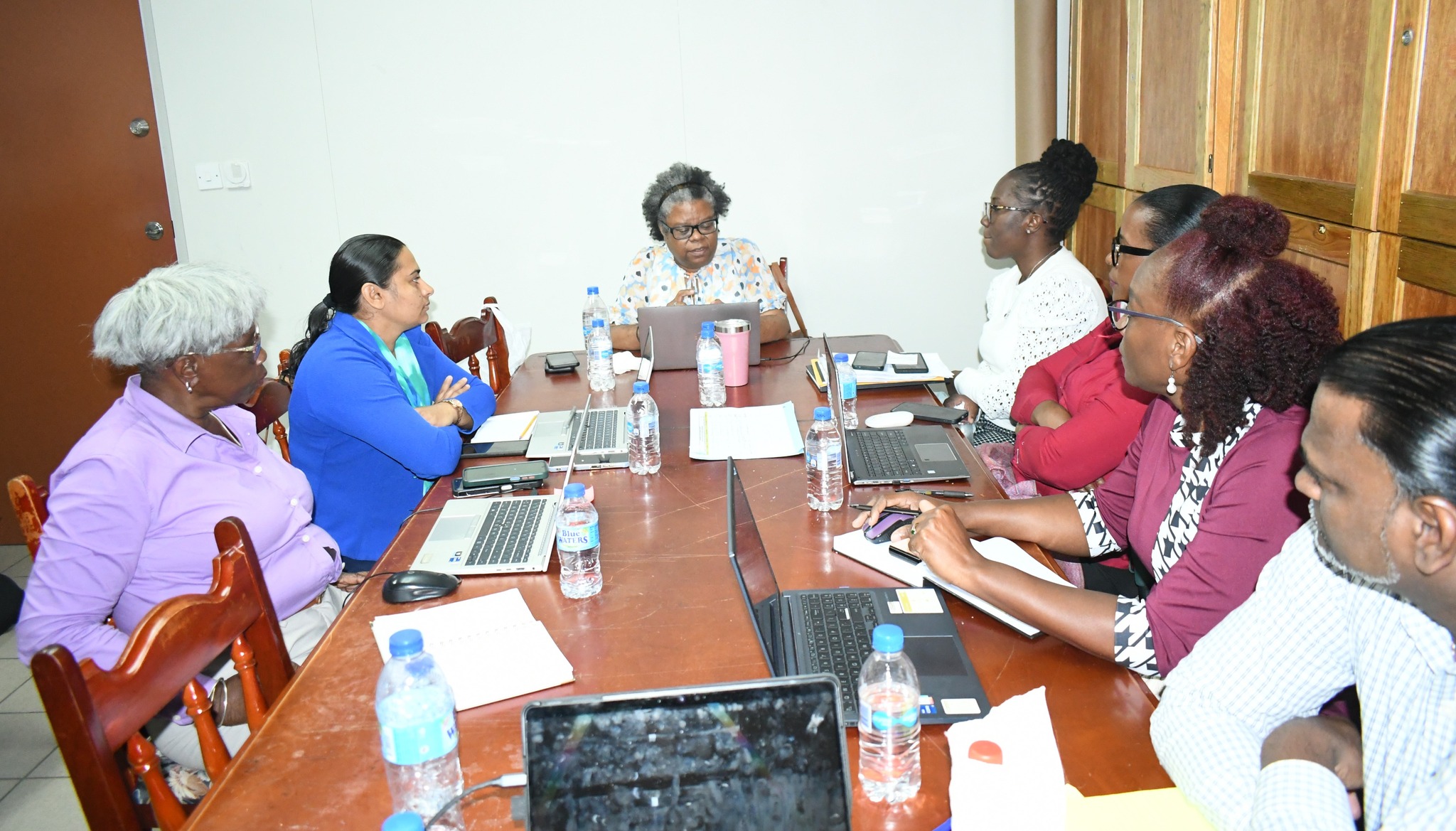
Stakeholders Engage in Consultations to Strengthen National Youth Policy
The Department of Youth Development and Sports, through its Youth Unit, has commenced a four-day series of half-day closed stakeholder consultations aimed at strengthening the development and...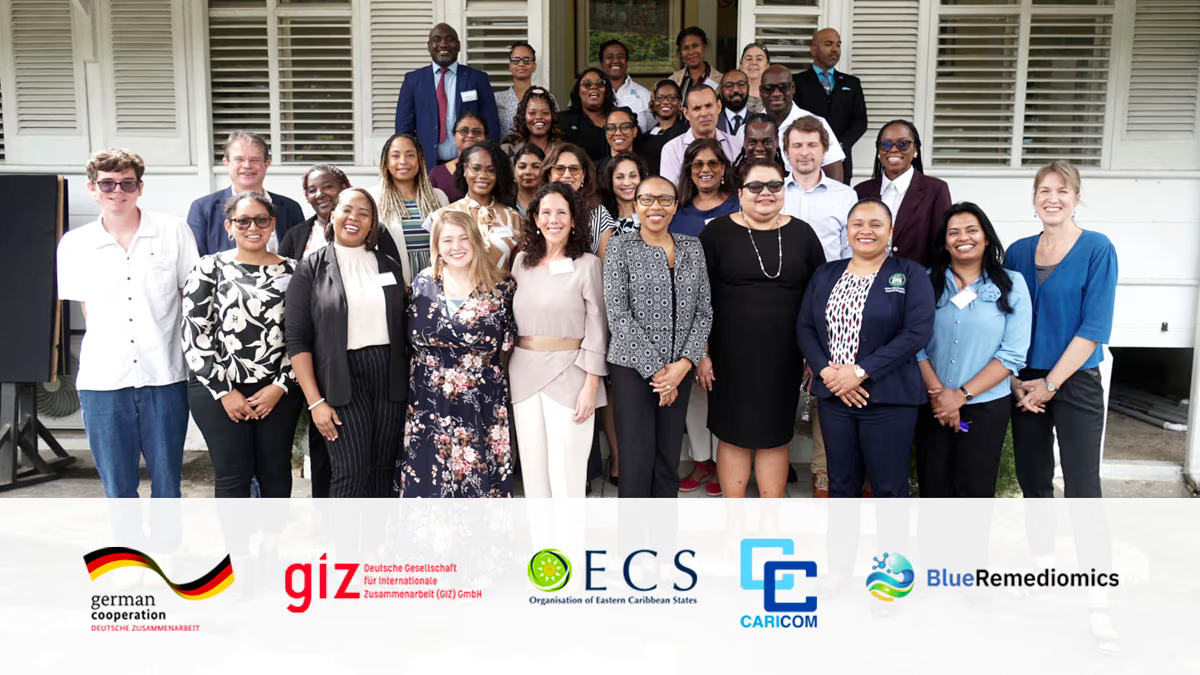
Regional Workshop Strengthens Caribbean Capacity on Genetic Resources
Regional policymakers, scientists, and biodiversity experts gathered from March 3-5, 2026, at The University of the West Indies (UWI), St.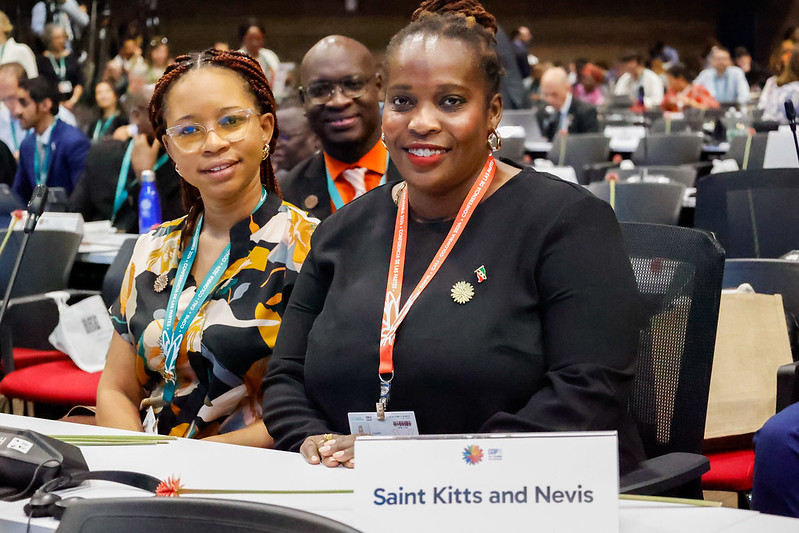
Statement by Hon. Dr. Joyelle Clarke, Minister of Sustainable Development, Environment, Climate Action and Constituency Empowerment of Saint Kitts and Nevis| High-Level Segment, 16th Meeting of the Conference of Parties of the UN Convention on Biological Diversity| Cali, Colombia| 30 October 2024
"The fight for biodiversity cannot be disentangled from the climate crisis. This is why our commitment to the Kunming-Montreal Biodiversity Framework is especially critical and why Saint KittsRelated Stories

EU/PAHO/CARIFORUM Climate & Health Project Builds Capacity with Health Co-Benefits Training
Bridgetown, Barbados, 7 June 2021 (PAHO/WHO) - During a recently held European Union (EU), Pan American Health Organization (PAHO), [1]CARIFORUM Health Co-Benefits webinar, representatives from 16.
CARICOM SG's Address - Launch of EU/CARIFORUM Climate Change and Health Project in the Caribbean
ADDRESS BY THE SECRETARY-GENERAL AMBASSADOR IRWIN LAROCQUE on the occasion of the LAUNCH OF EU/CARIFORUM CLIMATE CHANGE AND HEALTH PROJECT IN THE CARIBBEAN “Impact of Climate Change and Health on..