PAHO calls for strengthening road safety legislation
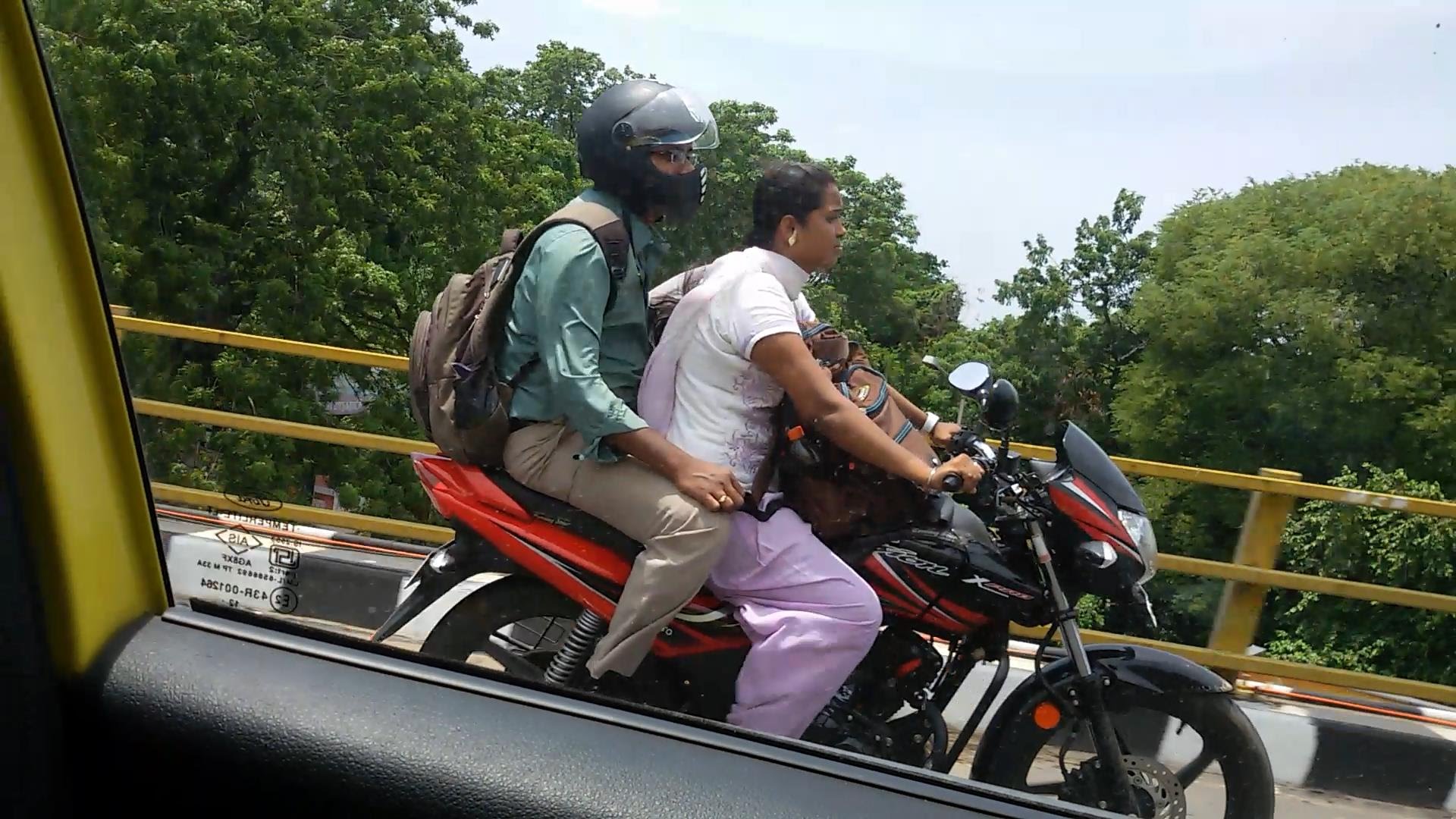
New report shows traffic fatalities are up in the Americas, primarily among motorcyclists. To reverse the trend, PAHO/WHO recommends adoption and enforcement of laws related to five key risk factors: speed, drinking and driving, and the use of motorcycle helmets, seatbelts and child restraints.

Washington, D.C., 13 September 2016 (PAHO/WHO) – Deaths from road traffic injuries, mainly among motorcyclists, increased by 3% in the Americas between 2010 and 2013, according to the new Report on Road Safety in the Region of the Americas, published by the Pan American Health Organization (PAHO), Regional Office of the World Health Organization (WHO). To reverse this trend, PAHO is urging countries to strengthen their road safety legislation and enforcement.
The new report provides a snapshot of the road safety situation in 31 countries and territories of the Western Hemisphere, based on the latest available data. It shows that more than 154,000 people died as a result of traffic-related injuries in the Americas in 2013. This represents nearly 12% of all traffic-related deaths at the global level, where traffic injuries are the leading cause of death among young people ages 15 to 29, particularly among men (73%).
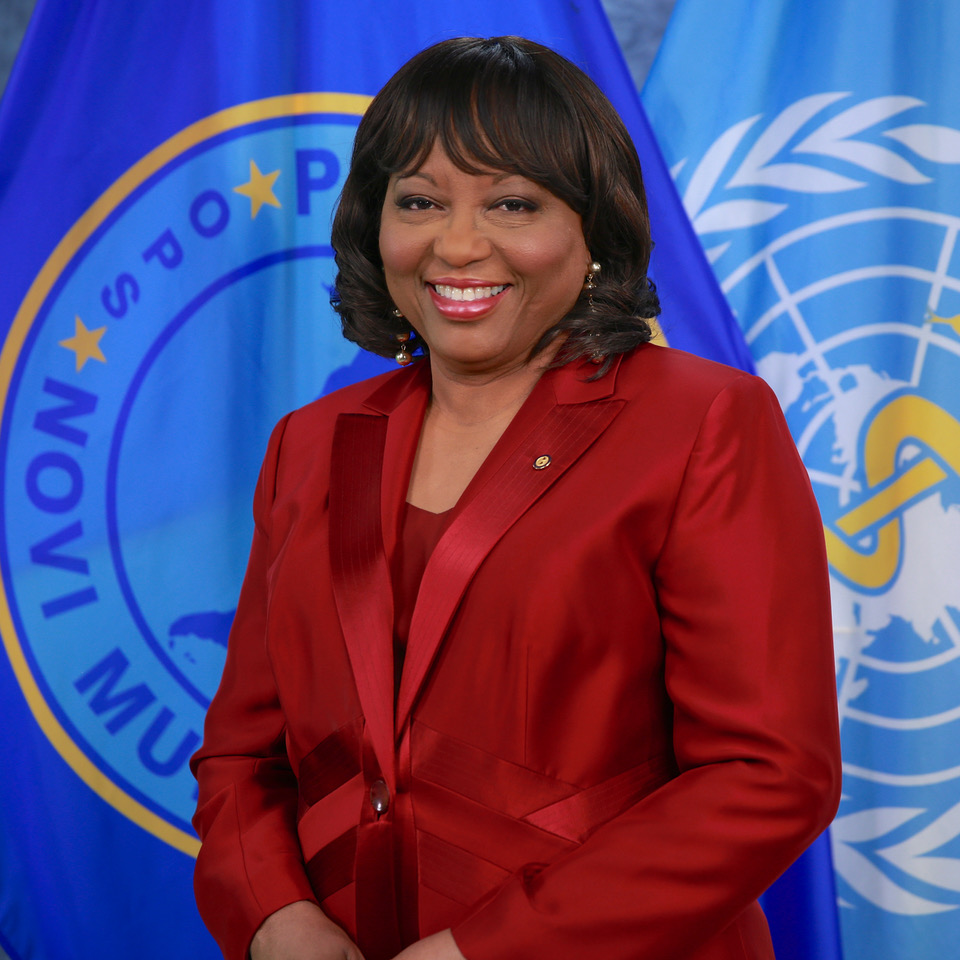
“Road traffic crashes continue to cause too many preventable injuries and deaths and place a heavy load on healthcare services,” said PAHO Director Carissa F. Etienne. “Strong and sustained enforcement of effective laws and public awareness campaigns are vital to reduce this burden.”
Road safety laws improve road user behavior and reduce road traffic crashes, injuries and deaths. The report says that countries have generally not done enough to implement the five key measures that are known to be most effective: maximum speed limits of 50 km/h in urban areas, required seat-belt use for all vehicle occupants, blood alcohol limits of no more than 0.05g/dl for drivers, mandated helmet use for all motorcycle riders, and required use of child restraints in vehicles.
Read more at: PAHO/WHO
You may also be interested in:
Stakeholders Engage in Consultations to Strengthen National Youth Policy
The Department of Youth Development and Sports, through its Youth Unit, has commenced a four-day series of half-day closed stakeholder consultations aimed at strengthening the development and...
Regional Workshop Strengthens Caribbean Capacity on Genetic Resources
Regional policymakers, scientists, and biodiversity experts gathered from March 3-5, 2026, at The University of the West Indies (UWI), St. Augustine Campus in Trinidad and Tobago, for a three-day...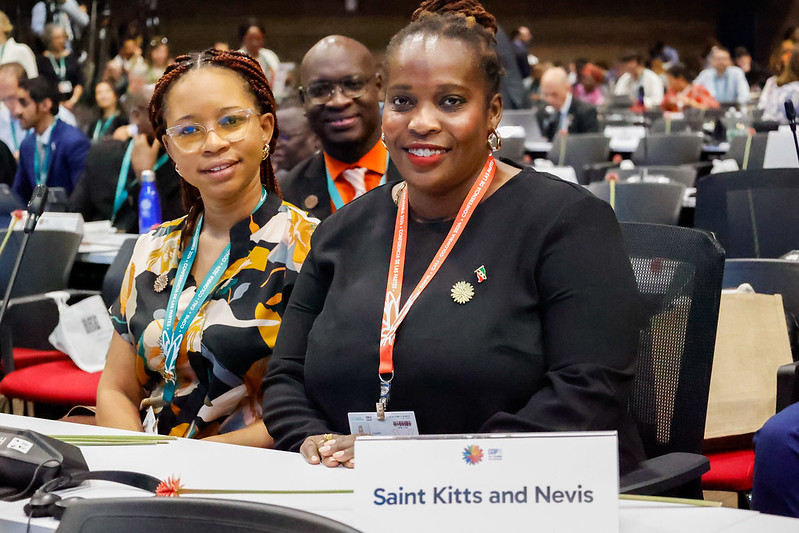
Statement by Hon. Dr. Joyelle Clarke, Minister of Sustainable Development, Environment, Climate Action and Constituency Empowerment of Saint Kitts and Nevis| High-Level Segment, 16th Meeting of the Conference of Parties of the UN Convention on Biological Diversity| Cali, Colombia| 30 October 2024
"The fight for biodiversity cannot be disentangled from the climate crisis. This is why our commitment to the Kunming-Montreal Biodiversity Framework is especially critical and why Saint Kitts and...Related Stories

EU/PAHO/CARIFORUM Climate & Health Project Builds Capacity with Health Co-Benefits Training
Bridgetown, Barbados, 7 June 2021 (PAHO/WHO) - During a recently held European Union (EU), Pan American Health Organization (PAHO), [1]CARIFORUM Health Co-