NCDs under focus in Barbados
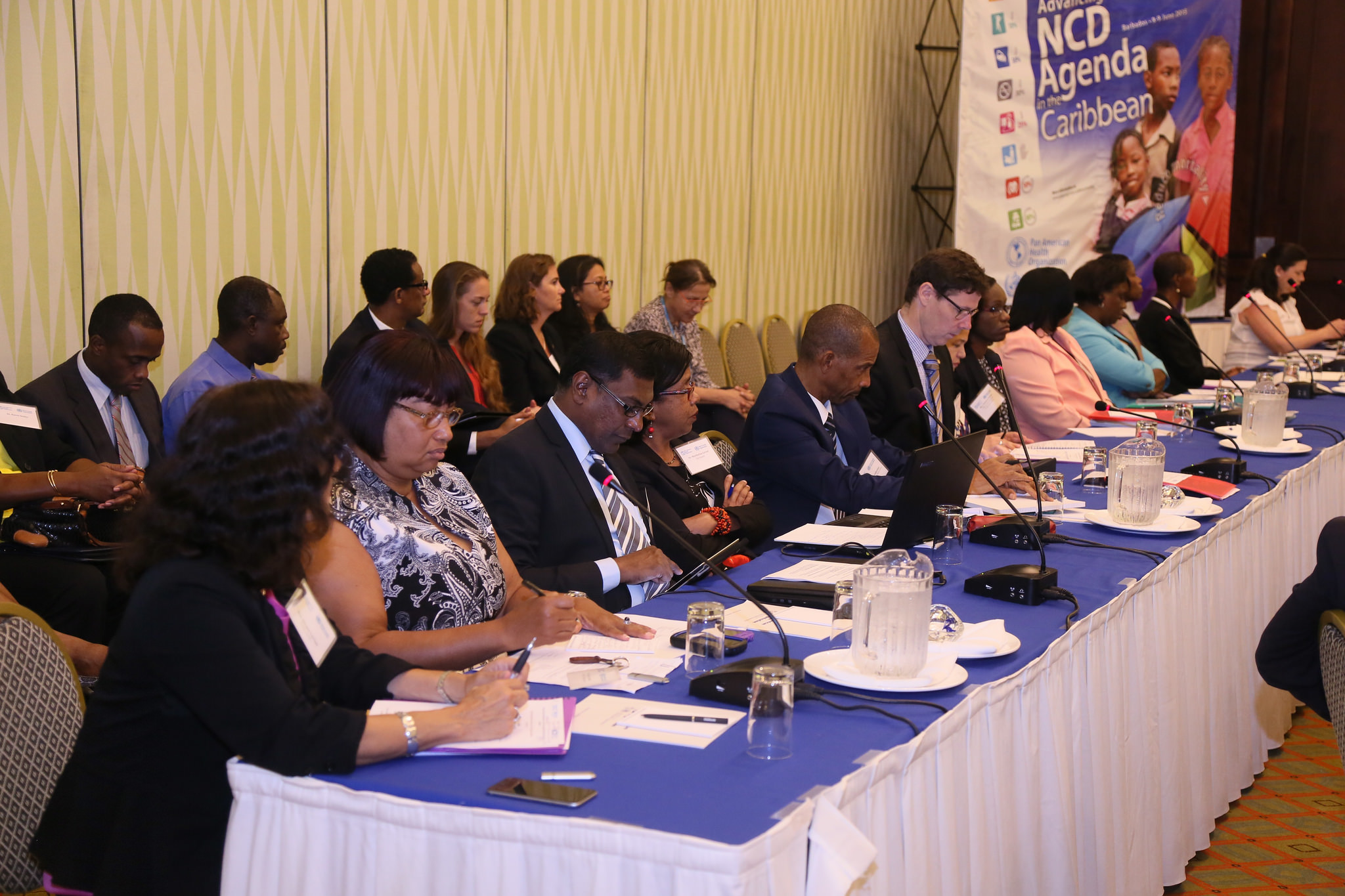
The Forum of ‘Key Stakeholders on NCDs: Advancing the NCD Agenda in the Caribbean’, now underway in Bridgetown, Barbados, is a high level meeting were health leaders from throughout the Caribbean are discussing actions to intensify efforts to tackle chronic diseases and their risk factors.
According to the current trends, and despite the efforts implemented to reduce the impact of Non Communicable Diseases (NCDs) and address their risk factors, the Caribbean countries will not meet the goal of educing NCD deaths by 25 per cent by 2025.
The Forum aims to discuss the route to intensify these efforts in three main areas:
- Cost effective measures to address NCDs main risk factors,
- How to strengthen health systems and improve care for NCDs
- How to engage sectors beyond health to support and participate in efforts to reduce the impact of NCDs
The discussions are organised in a double perspective, technical and political, and includes the participation of representatives of UN agencies, collaborating agencies from Canada and the United States, development banks, academia and civil society. The Forum of Key Stakeholders on NCDs concludes today.
Specific measures to be discussed
The role of legislation and regulations in modifying unhealthy environments and reducing exposure to tobacco, harmful use of alcohol, unhealthy diet and physical inactivity (the top four NCD risk factors) .
Multisectoral action, with whole-of-government and whole-of-society approaches that place health as an economic asset, required for economic development and to create supportive environments for health and well-being.
A comprehensive health-system response to NCDs that includes prevention and affordable access to health care, in the context of universal access and universal health coverage.
Stronger surveillance and improved monitoring systems to measure countries’ progress in tackling NCDs and risk factors.
Innovative ways to efficiently and sustainably finance health systems and especially their response to NCDs and related risk factors, given the rising costs of care.
Strategies for ensuring that NCDs remain a high priority on the Caribbean political agenda.
Caribbean leadership in NCDs
Caribbean countries have shown considerable leadership on NCDs at the political level. In addition to CARICOM’s 2007 Declaration of Port of Spain: Uniting to stop the epidemic of chronic NCDs, which set out 27 commitments for addressing NCDs, Caribbean leaders provided the main impetus for the 2011 United Nations High Level Meeting on Prevention and Control of NCDs. The Caribbean leaders fully endorsed the PAHO Regional Plan of Action on the Prevention and Control of Noncommunicable Diseases, 2013-2019 which defines the multi-sector policies, health service and surveillance actions needed to achieve the reductions in NCD mortality. (Adapted from PAHO Press Release)
Links
— Photographs, credit PAHO/WHO, Manuel Calvit
— PAHO Forum of Key Stakeholders on NCDs: Advancing the NCD agenda in the Caribbean
— PAHO program on noncommunicable diseases and mental health
— Strategy for the Prevention and Control of Noncommunicable Diseases
— Declaration of Port of Spain
— http://twitter.com/pahowho#NCDs #Caribbean
You may also be interested in:
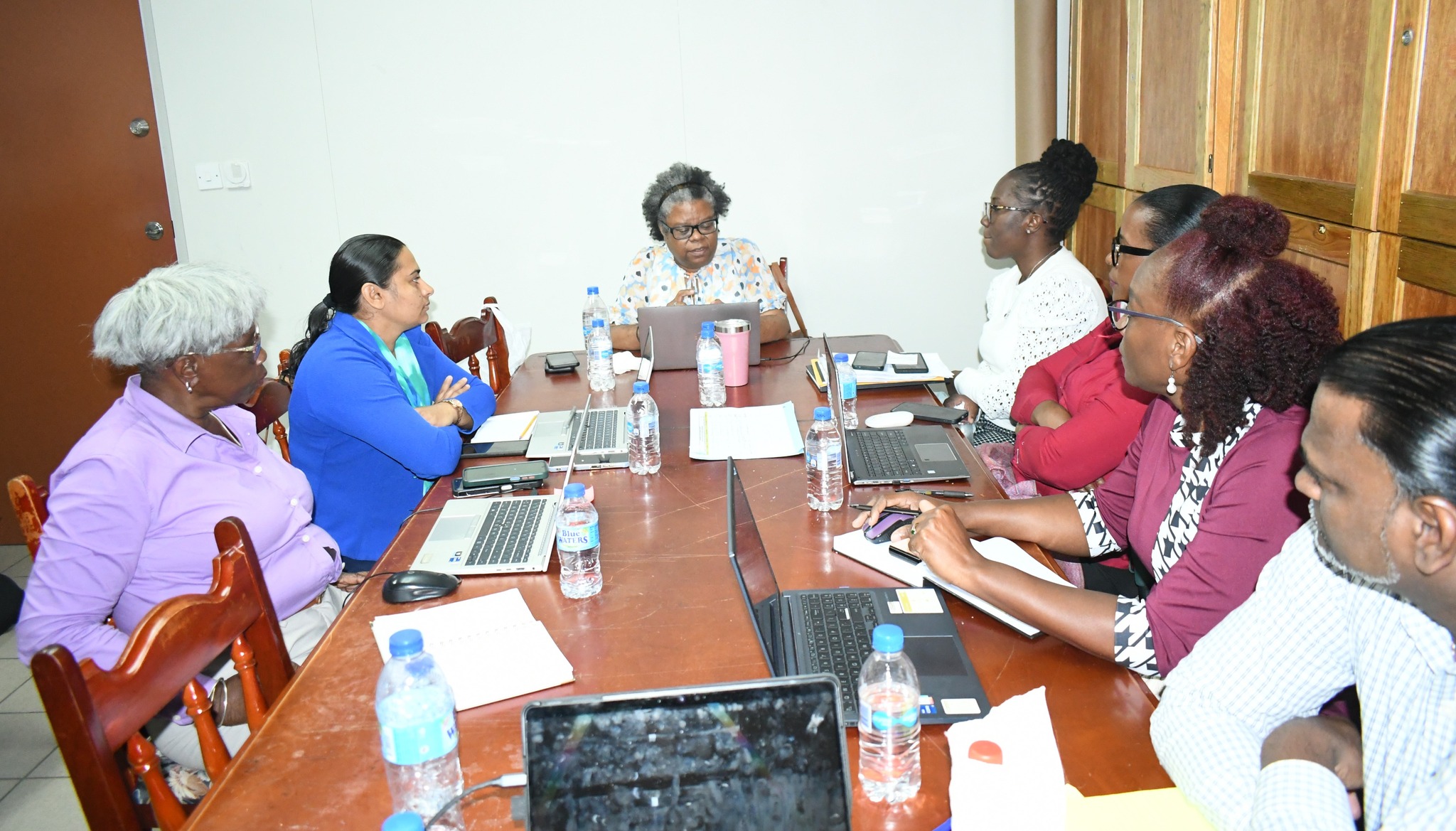
Stakeholders Engage in Consultations to Strengthen National Youth Policy
The Department of Youth Development and Sports, through its Youth Unit, has commenced a four-day series of half-day closed stakeholder consultations aimed at strengthening the development and...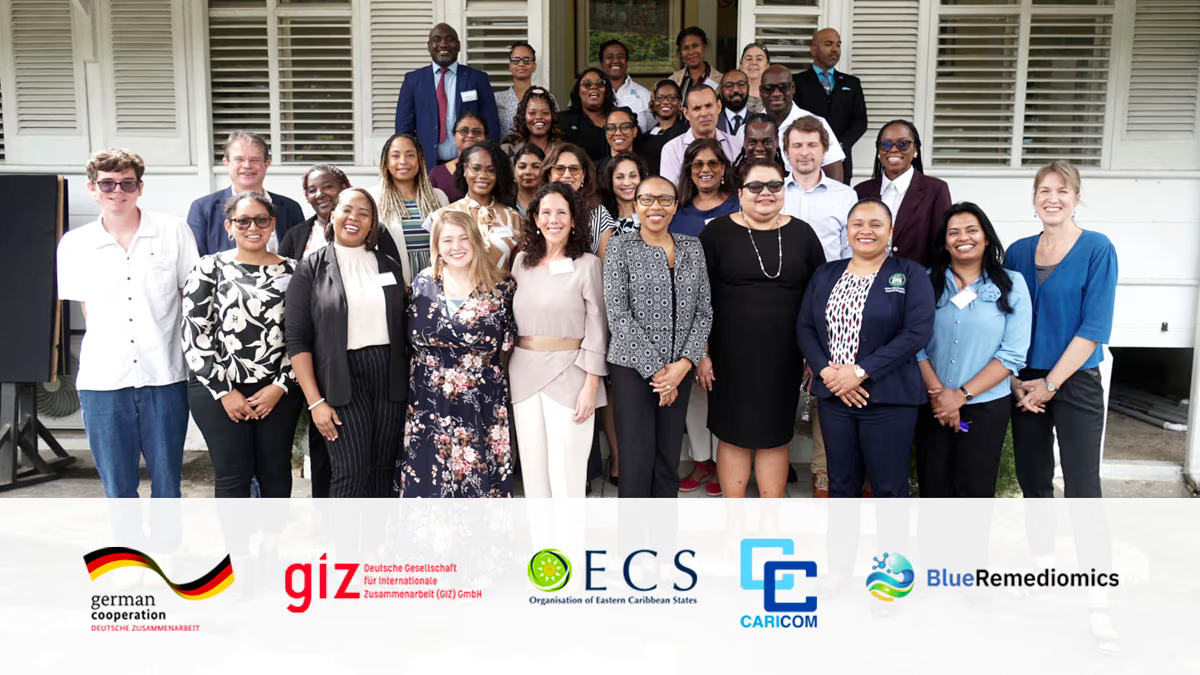
Regional Workshop Strengthens Caribbean Capacity on Genetic Resources
Regional policymakers, scientists, and biodiversity experts gathered from March 3-5, 2026, at The University of the West Indies (UWI), St.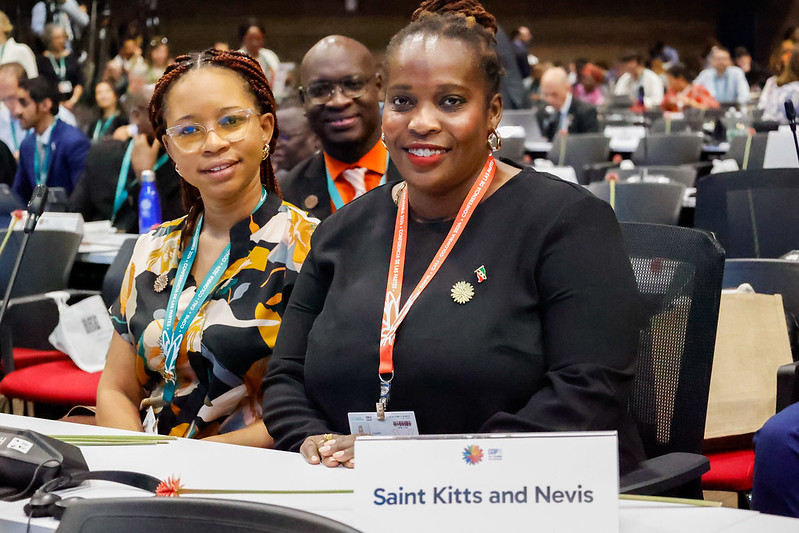
Statement by Hon. Dr. Joyelle Clarke, Minister of Sustainable Development, Environment, Climate Action and Constituency Empowerment of Saint Kitts and Nevis| High-Level Segment, 16th Meeting of the Conference of Parties of the UN Convention on Biological Diversity| Cali, Colombia| 30 October 2024
"The fight for biodiversity cannot be disentangled from the climate crisis. This is why our commitment to the Kunming-Montreal Biodiversity Framework is especially critical and why Saint KittsRelated Stories

EU/PAHO/CARIFORUM Climate & Health Project Builds Capacity with Health Co-Benefits Training
Bridgetown, Barbados, 7 June 2021 (PAHO/WHO) - During a recently held European Union (EU), Pan American Health Organization (PAHO), [1]CARIFORUM Health Co-Benefits webinar, representatives from 16.
CARICOM SG's Address - Launch of EU/CARIFORUM Climate Change and Health Project in the Caribbean
ADDRESS BY THE SECRETARY-GENERAL AMBASSADOR IRWIN LAROCQUE on the occasion of the LAUNCH OF EU/CARIFORUM CLIMATE CHANGE AND HEALTH PROJECT IN THE CARIBBEAN “Impact of Climate Change and Health on..