Mutated Strain of HIV that Leads to AIDS within 3 Yrs Found in Cuba
A team of Belgian researchers reported a new strain of HIV in Cuban patients that can result in AIDS within three years, if no cure is administered. Researchers worry that the mutated HIV strain could evolve so quick that patients will get antiretroviral therapy only after it is already too late.
According to the researchers, the newly found strain become “epidemic” among patients recently diagnosed with HIV on the Caribbean island. Those patients reported that they might have been infected after they had had unsafe sex with multiple partners.
The researchers from the Catholic University of Leuven, in Belgium, went to Cuba to study the HIV strain, after their peers in Cuba reported more and more patients being infected with a type of HIV virus that rapidly led to AIDS.
Usually, a HIV strain needs six to ten years to progress to AIDS. The new mutated strain led to the deadly disease in less than three years. Scientists are currently concerned that the new types of HIV strains, which are harder to diagnose, may develop drug-resistance and may hinder the process of designing a vaccine.
The researchers from Belgium based their findings on a study conducted on 95 Cuban patients. Seventy-three were recently diagnosed with HIV infection, while 22 patients had developed AIDS after carrying the virus in their bodies for more than three years. Scientists compared the two groups’ HIV strains.
They found that, although none of the patients received therapy, only the group infected with the mutated strain, which is a recombinant of the HIV virus, developed AIDS within three years.
Researchers warned that the more unprotected sex partners somebody had, the higher the risk of getting infected with multiple strains that can recombine within that person’s body and result in a hard to cure strain.
The findings were published last week in the journal EBioMedicine.
The study seemed worrisome for some South Florida HIV researchers, since Cuba is in South Florida’s backyard.
“We knew that sooner or later we were going to face this locally. Cuba is local for Miami. We may see similar situations here in Miami in the future, and that’s something I’m concerned about,”
explained Hector Bolivar, a physician and AIDS researcher at the University of Miami Miller School of Medicine.
But other SOFL researchers doubt that a study involving only 95 patients could bring some relevant insights for AIDS research. And they also questioned the ethics of a study that would allow its HIV-infected participants to develop AIDS without treatment.
You may also be interested in:
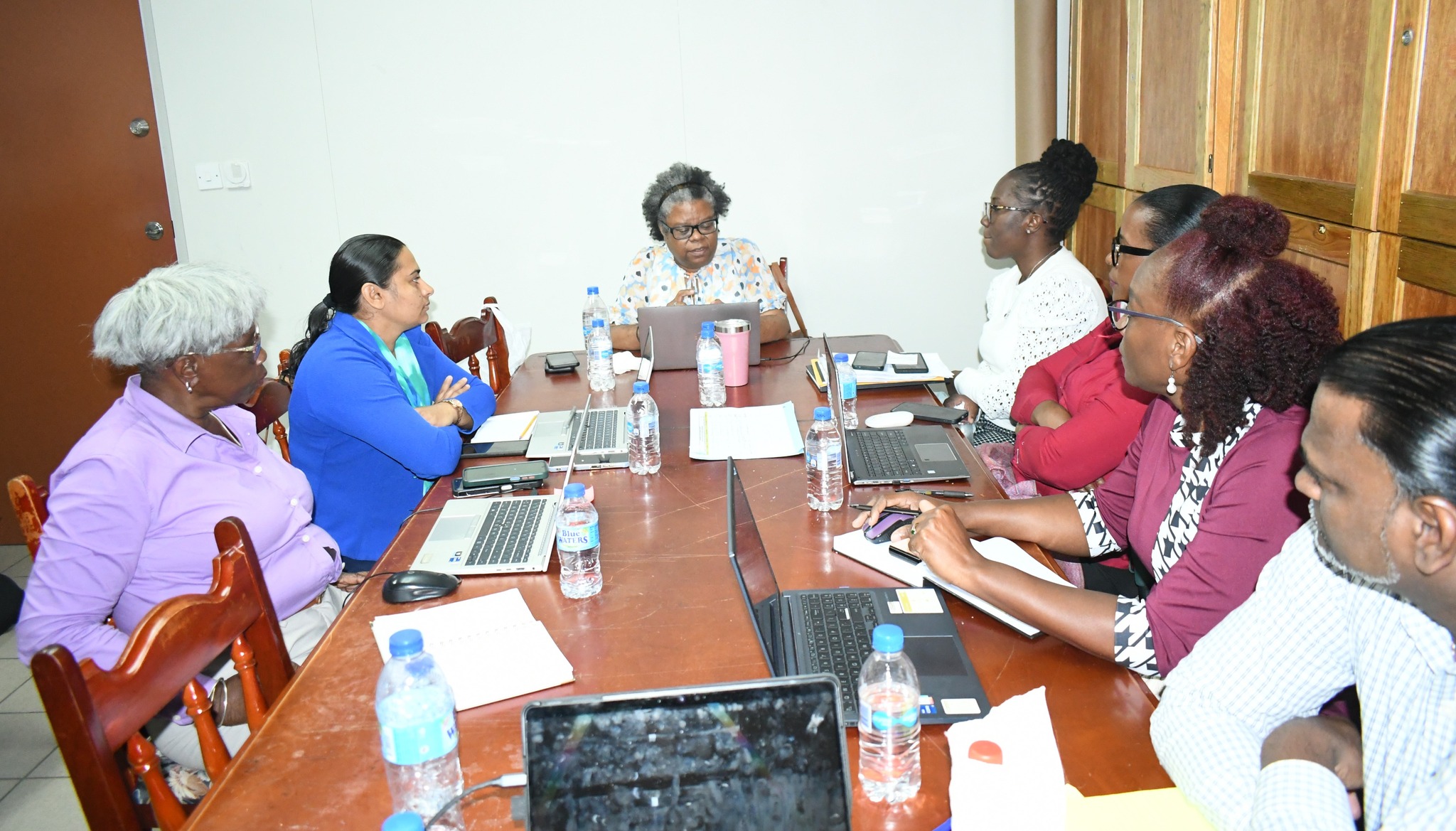
Stakeholders Engage in Consultations to Strengthen National Youth Policy
The Department of Youth Development and Sports, through its Youth Unit, has commenced a four-day series of half-day closed stakeholder consultations aimed at strengthening the development and...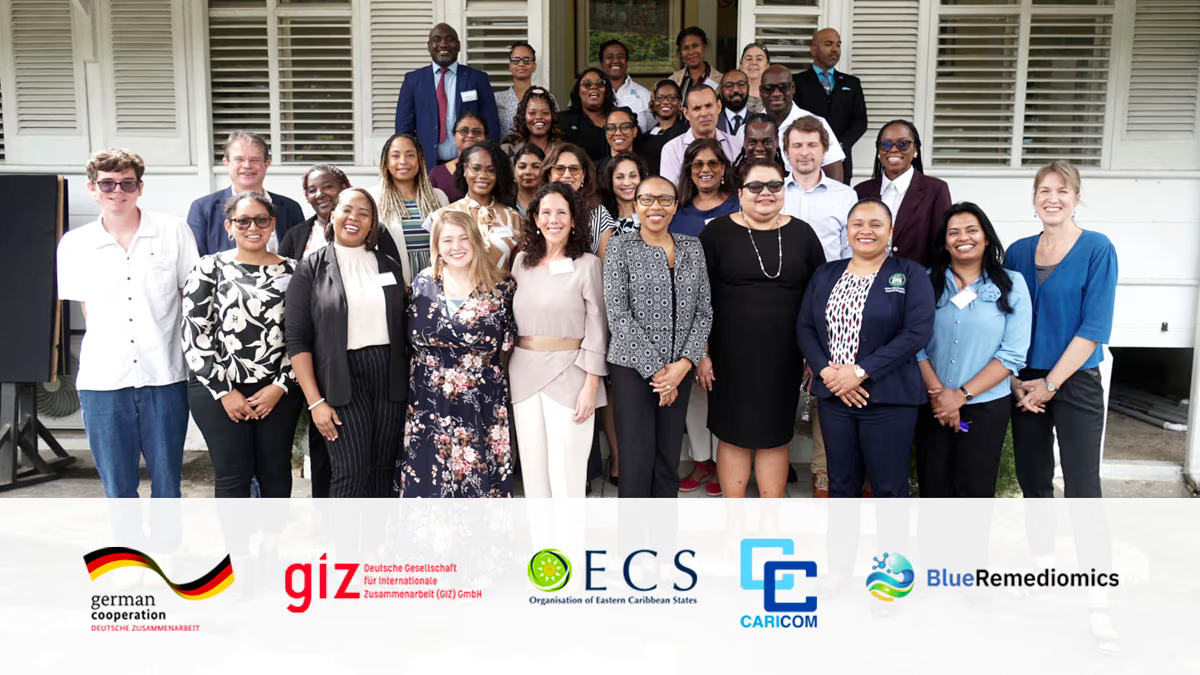
Regional Workshop Strengthens Caribbean Capacity on Genetic Resources
Regional policymakers, scientists, and biodiversity experts gathered from March 3-5, 2026, at The University of the West Indies (UWI), St.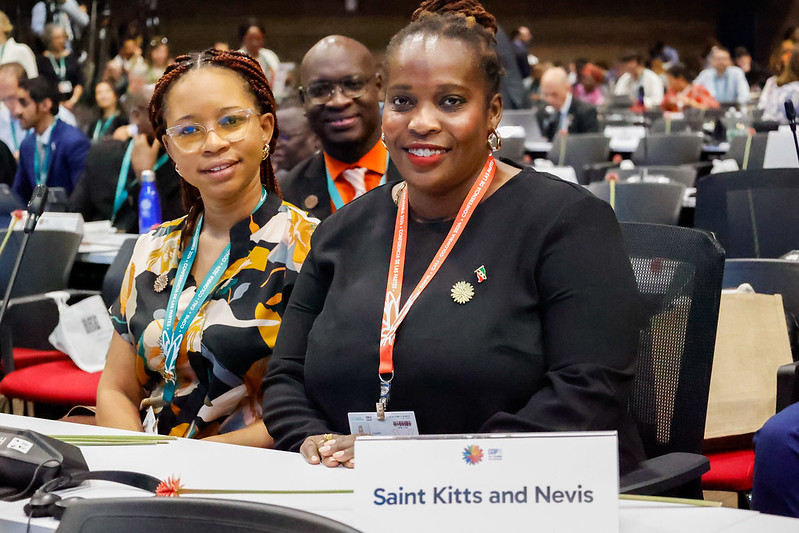
Statement by Hon. Dr. Joyelle Clarke, Minister of Sustainable Development, Environment, Climate Action and Constituency Empowerment of Saint Kitts and Nevis| High-Level Segment, 16th Meeting of the Conference of Parties of the UN Convention on Biological Diversity| Cali, Colombia| 30 October 2024
"The fight for biodiversity cannot be disentangled from the climate crisis. This is why our commitment to the Kunming-Montreal Biodiversity Framework is especially critical and why Saint KittsRelated Stories
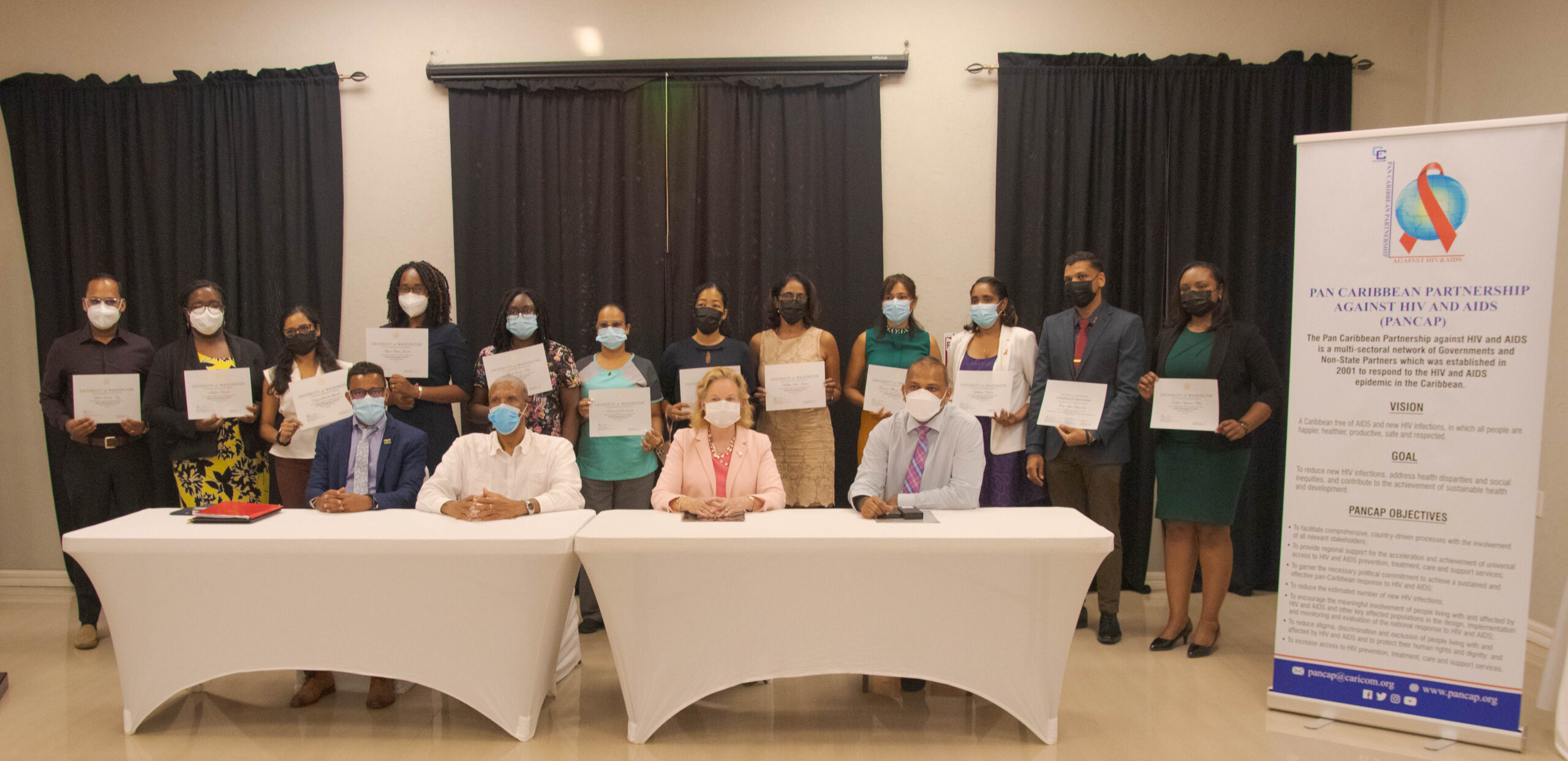
REGION’S PUBLIC HEALTH BOOSTED BY PANCAP CAPACITY-BUILDING INITIATIVE
EIGHTEEN (18) CLINICAL AND PUBLIC HEALTH PRACTITIONERS COMPLETE THREE-MONTH COURSE ON CLINICAL MANAGEMENT OF HIV Thursday, 7 October 2021 (PANCAP Coordinating Unit, CARICOM Secretariat): The...
Regional Stakeholders to discuss scaling up and Sustaining the Regional HIV Response during COVID-19
Tuesday, 18 May 2021 (PANCAP Coordinating Unit, CARICOM Secretariat): The Pan-Caribbean Partnership against HIV and AIDS (PANCAP), the mechanism that provides a structured and unified approach to t