Monitor, report birth anomalies – PAHO advises on Zika virus
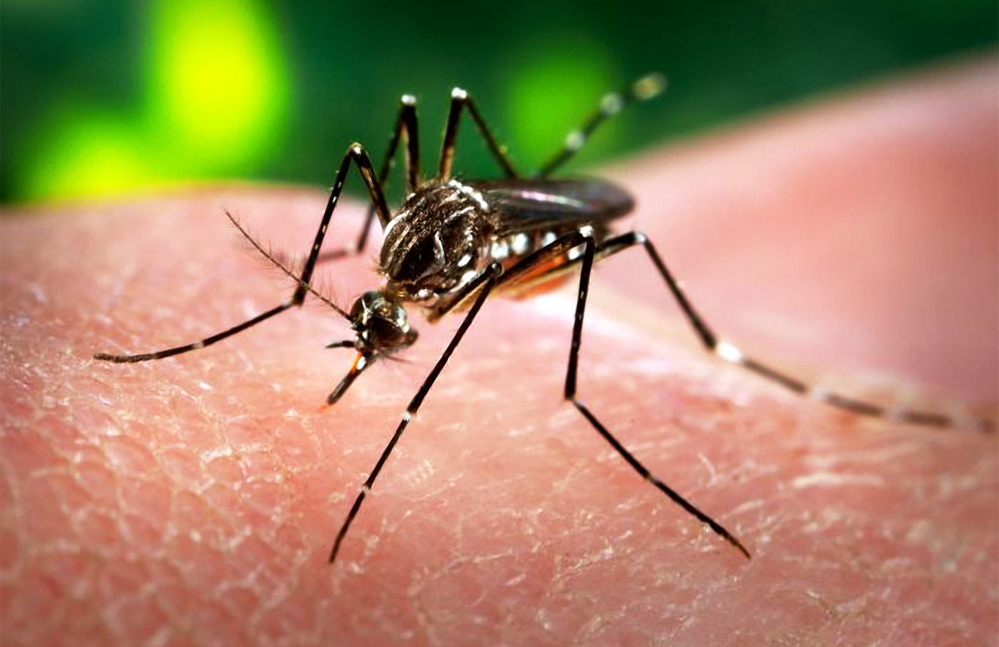
As the Zika virus spreads, PAHO advises countries to monitor and report birth anomalies and other suspected complications of the virus
Washington, D.C., 18 January 2016 (PAHO/WHO) — With the Zika virus now circulating in 18 countries and territories of Latin America and the Caribbean, the Pan American Health Organisation (PAHO) is recommending that its member countries monitor and report any increases in neurological syndromes and congenital anomalies, which growing evidence suggests may be linked to Zika infections.
According to PAHO’s January 17, 2016, Epidemiological update, the countries and territories that have to date confirmed local Zika virus transmission are Brazil, Barbados, Colombia, Ecuador, El Salvador, French Guiana, Guatemala, Guyana, Haiti, Honduras, Martinique, Mexico, Panama, Paraguay, Puerto Rico, Saint Martin, Suriname, and Venezuela. This is twice the number of countries and territories that were reported as having locally transmitted cases of Zika in the previous epidemiological update (December 1, 2015).
The January 17 PAHO alert also recommends that countries in the Americas prepare their healthcare facilities to respond to a potential increase in demand for specialised care for neurological syndromes, to strengthen prenatal care, and to continue their efforts to reduce the presence of mosquito vectors through effective vector-control strategies and communication to the public. (PAHO/WHO Press Release)
You may also be interested in:
Stakeholders Engage in Consultations to Strengthen National Youth Policy
The Department of Youth Development and Sports, through its Youth Unit, has commenced a four-day series of half-day closed stakeholder consultations aimed at strengthening the development and imple
Regional Workshop Strengthens Caribbean Capacity on Genetic Resources
Regional policymakers, scientists, and biodiversity experts gathered from March 3-5, 2026, at The University of the West Indies (UWI), St.
Related Stories

EU/PAHO/CARIFORUM Climate & Health Project Builds Capacity with Health Co-Benefits Training
Bridgetown, Barbados, 7 June 2021 (PAHO/WHO) - During a recently held European Union (EU), Pan American Health Organization (PAHO), [1]CARIFORUM Health Co-