Millions face impact of stunted reef growth
QUEENSLAND—Estimates of current rates of reef growth in the Caribbean have been described as “extremely alarming” by the leader of a team of international researchers conducting a study with Australia’s University of Queensland (UQ). According to an article published in Science Alert, UQ research indicates that many Caribbean coral reefs have either stopped growing or are on the verge of starting to erode with potential impacts to millions of people. Coral reefs build their structures by producing and accumulating calcium carbonate which is essential for the maintenance and continued vertical growth capacity of reefs. The latest findings from UQ and the international research team show that the amount of new carbonate being added by Caribbean coral reefs is now significantly below rates measured over recent geological timescales, and is as much as 70 per cent lower in some habitats. This discovery could affect millions of people who benefit from reef structures, according to Professor Peter Mumby from UQ's School of Biological Science. “Reef structures provide benefits such as being fishery habitats for seafood, they are used for recreational diving adventures, and often provide a natural barrier to storm surge,” Professor Mumby said.
You may also be interested in:
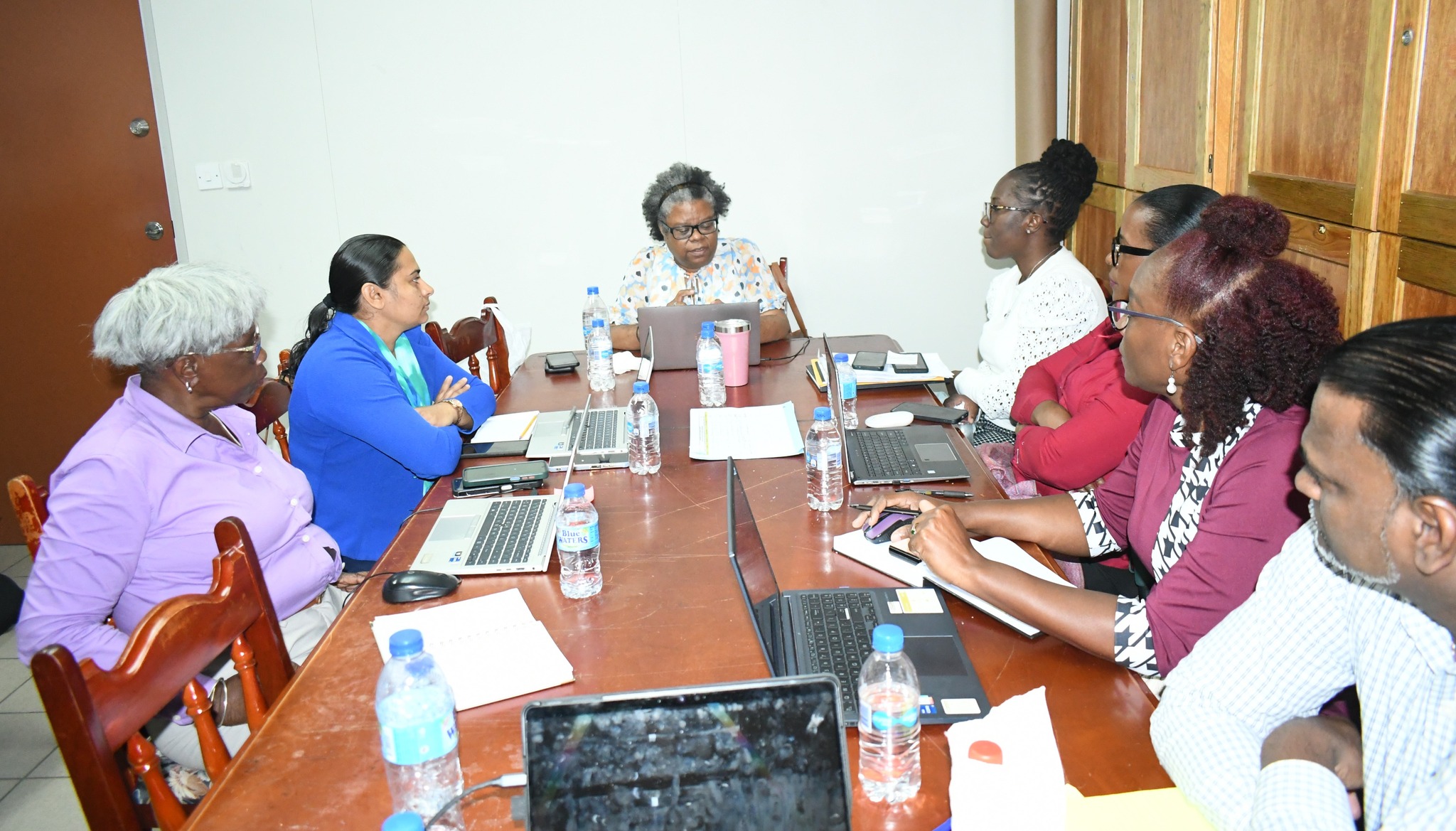
Stakeholders Engage in Consultations to Strengthen National Youth Policy
The Department of Youth Development and Sports, through its Youth Unit, has commenced a four-day series of half-day closed stakeholder consultations aimed at strengthening the development and imple