Member States to Boost Food Production To Lessen COVID-19 Impact
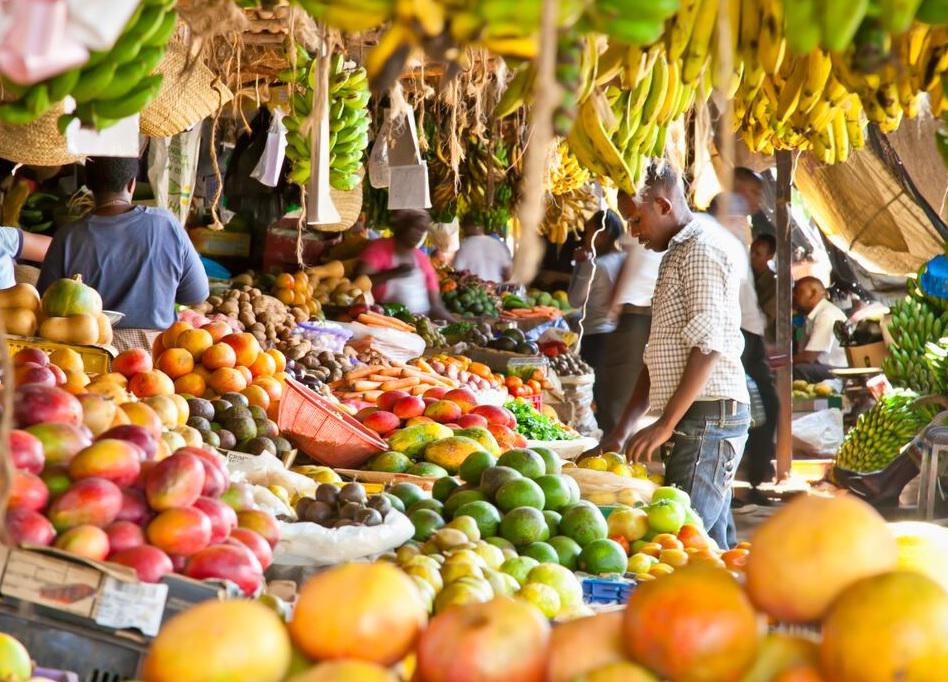
While there are adequate supplies of food in the Caribbean Community (CARICOM) now, the Region should galvanise local production to meet future demands.
This was one of the recommendations contained in a framework
document that Ministers of Agriculture have accepted in principle to
deal with the availability and accessibility of food in CARICOM as the
COVID-19 pandemic continues.
The Agriculture Ministers and other stakeholders met in a special session of the Council for Trade and Economic Development (COTED) on Thursday via videoconference to consider the impact the pandemic was likely to have on food and nutrition security in the Region. Availability of food is in focus against the background of the Region’s food import dependence to the tune of almost US$4B; and disruptions in international trade as countries take unprecedented steps – such as the closure of borders and port – to safeguard their populace.
Setting the stage, Interim Meeting Chair, the Hon Godwin Hulse,
Minister of Food and Agriculture of Belize, said a food security
response was fundamental given the uncertainty of the pandemic.
CARICOM Assistant Secretary-General, Trade and Economic Integration,
said that as the global community continued to grapple with the impact
of the virus, recognition had to be given to the fact that the
Community’s approach had to be more nuanced. The impact, he said, was
likely to affect the Community “in different phases as we go and so we
have to be very measured in our responses”.
He added that there were “tremendous opportunities” for food
production, but warned that logistical challenges had to be taken into
consideration also.
CARICOM Ministerial focal point on food security with respect to COVID-19 is Agriculture Minister of St. Vincent and the Grenadines, the Hon. Saboto Caesar.
Programme Manager, Agricultural and Agro-Industrial Development at the CARICOM Secretariat, Mr. Shaun Baugh, acknowledged that the situation was a fluid one since there was no firm indication of its outcome, hence the decision to meet and to prepare for any eventuality.

In a post-COTED interview, Mr. Baugh said the regional response framework document envisions Member States drawing up national food security plans, engaging the private sector to ensure their supply chains are in place and interacting with farmer and producer organisations to see how best to boost local production of food in the event that the COVID-19 pandemic continues. Institutional coordination and an effective communications strategy were also among the pillars of the document.
He added that some Member States already had national plans in place to boost local production.
“We’ve given some basic guidelines but we’ve asked Member States to
look at their own realities to see how they will implement. It will
involve farmers; it will involve input suppliers; it will involve the
general private sector distribution channels…,” Mr. Baugh said.
Representatives of the shipping industry at the Meeting assured that from a containerized point of view, shipping was available and measures were in place in ports to ensure a steady supply of food. The Meeting took into consideration border and other restrictions and a plan of action was being put in place for exports, Mr. Baugh said.
“The Ministers of Agriculture, and by extension the Ministries of
Agriculture are engaged. They see the importance of ensuring that we
have the plans in place to deal with the outcomes of COVID-19,” he
reiterated.
He said that the agencies and international partners were mobilized
to provide technical support and rapid assessment response programmes.
He added that the wheels were in motion and the deliverables coming out
of the meeting should lead to a united response to ensure that the
Region had adequate supplies to meet the nutritional requirements of the
populace.
The Organisation of Eastern Caribbean States, and CARICOM
Institutions – the Caribbean Agricultural Research and Development
Institute (CARDI), the Caribbean Public Health Agency (CARPHA), the
Caribbean Agricultural Health and Food Safety Agency (CAHFSA), the
Caribbean Disaster Emergency Management Agency (CDEMA) and the Caribbean
Fisheries Mechanism (CRFM), the Caribbean Private Sector Organisation,
and the Caribbean Development Bank (CDB) were represented at the
well-attended Meeting.
Partner agencies including the Food and Agriculture Organisation of
the United Nations (FAO), the Inter-American Institute for Cooperation
on Agriculture (IICA), the World Food Programme, and the International
Fund for Agricultural Development (IFAD) also fielded representatives to
the Meeting, as did Tropical Shipping, the Caribbean Poultry
Association (CPA), other participants from the Region’s private sector,
and farmers’ organisations.
You may also be interested in:
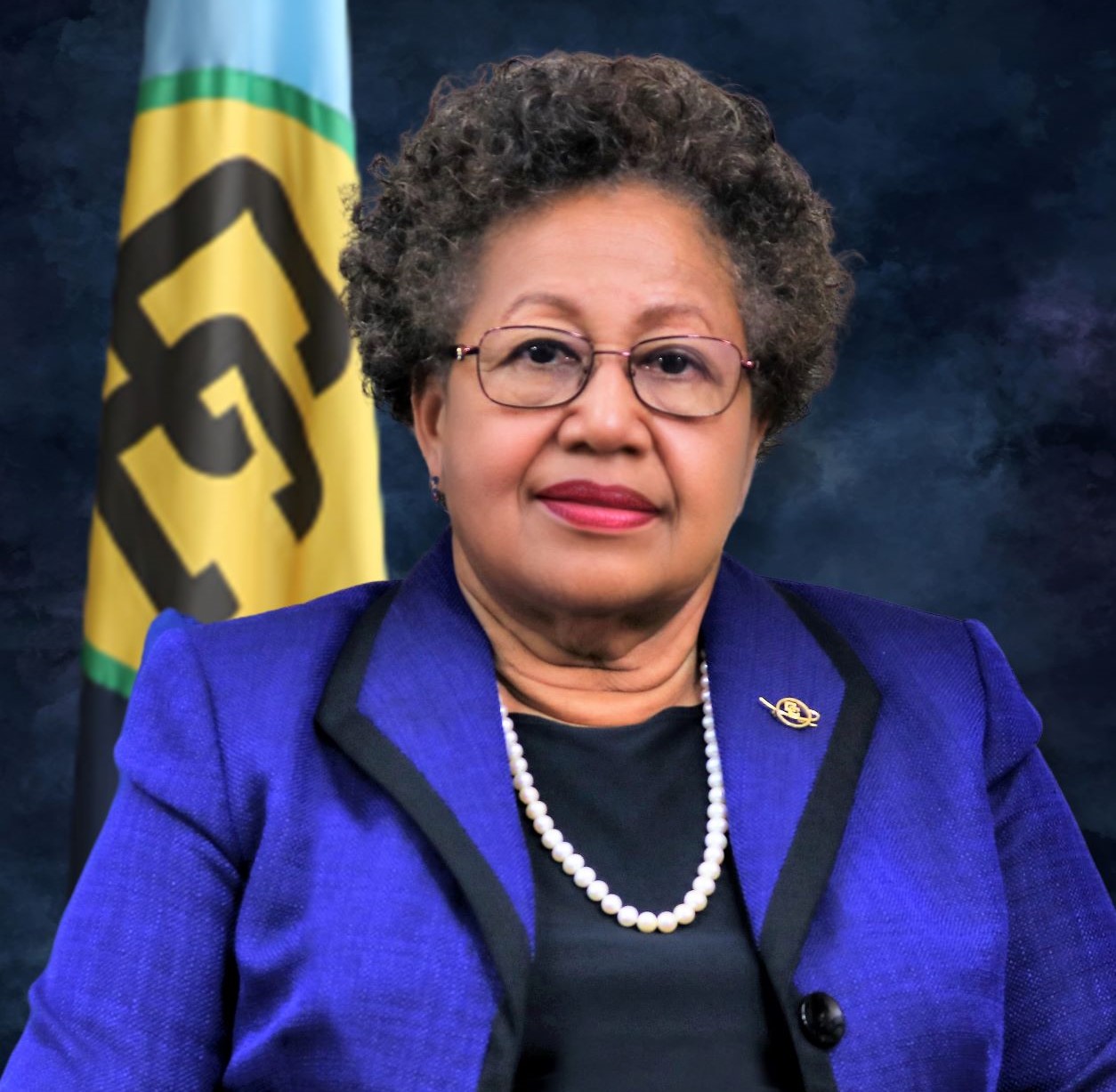
End of Year Message from the Secretary-General of the Caribbean Community (CARICOM) Dr Carla N Barnett
We have come to the end of another year during which strenuous efforts have been made to ensure that the integration process improves the lives of the people of the Caribbean C
End of Year Message from the Secretary-General of the Caribbean Community (CARICOM) Dr Carla N Barnett
We have come to the end of another year during which strenuous efforts have been made to ensure that the integration process improves the lives of the people of the Caribbean C